A tenant moves out on Friday, and a new tenant is scheduled to pick up keys on Monday. That short gap is where access control can either stay simple or become an expensive security problem. The best locks for rental properties make turnover faster, prevent old keys from working, stand up to daily use, and give landlords and property managers a clear record of who has access.
A good rental lock is not always the most expensive one. The right choice depends on the property type, local code requirements, the number of units, tenant expectations, and how often occupancy changes. For many South Bay landlords, a dependable deadbolt with professional rekeying is the practical starting point. Smart locks can add convenience in the right setting, but they also bring maintenance and access-management responsibilities.
What Makes a Lock Right for a Rental?
Rental properties need more than a lock that looks secure on move-in day. The hardware should handle repeated key use, door slamming, weather exposure, maintenance visits, and tenant turnover without becoming difficult to operate. It also needs to support a clear change of access between occupants.
Start with a deadbolt rated for exterior-door use. Grade 1 hardware generally offers the strongest performance for high-use or higher-risk entries, while Grade 2 deadbolts are often a solid choice for standard residential rentals. The rating matters, but installation matters just as much. A quality deadbolt installed into a weak strike plate or a damaged door frame cannot deliver its intended protection.
Look for a one-inch bolt throw, a reinforced strike plate, and long screws that anchor the strike into the wall framing rather than only the thin door jamb. These details help the lock resist forced entry and reduce the chance of recurring alignment issues.
The Best Locks for Rental Properties by Situation
Rekeyable deadbolts for standard rentals
For single-family homes, condos, duplexes, and many apartment doors, a rekeyable deadbolt is often the best balance of security, cost, and convenience. When a tenant leaves, the cylinder can be rekeyed so the former key no longer works. The lock hardware stays in place, which is usually less costly than replacing every lock at every turnover.
Rekeying is especially useful when keys may have been copied, misplaced, given to guests, or retained by a former roommate. It is also a smart step after an eviction, a breakup involving shared access, or a lost key report. Changing the key combination gives the next tenant a clean start without necessarily replacing a perfectly good deadbolt.
Choose a dependable residential deadbolt from an established lock manufacturer, and avoid relying on a locking knob or lever as the only exterior security device. Knob locks can be useful for latching the door, but a properly installed deadbolt should do the heavier security work.
Smart locks for frequent turnover and managed access
Smart locks can make sense for furnished rentals, short-term stays, properties with frequent tenant changes, or buildings where managers need to issue temporary access codes. Instead of cutting and collecting physical keys, a manager can create, change, or delete codes. This can reduce the awkward question of whether every old key was returned.
The trade-off is that smart locks need active management. Batteries must be replaced before they die, codes must be removed promptly, and the property owner needs a plan for Wi-Fi outages, app problems, and emergency entry. Not every smart lock requires Wi-Fi for basic keypad operation, which can be useful for a standard rental where internet service is controlled by the tenant.
For a long-term rental, choose a model with a physical key override and a reliable keypad. Mechanical backup access is important when batteries fail or a tenant cannot access an app. Make sure the lock is compatible with the door thickness, backset, handing, and existing deadbolt preparation before buying it.
Keypad deadbolts for simple code access
A keypad deadbolt can offer many of the turnover advantages of a smart lock without adding remote connectivity. This is a practical middle ground for landlords who want code changes but do not want to manage an app or network connection.
Keypads work well for rental homes with cleaners, maintenance teams, or regular vendors who need limited access. Give each person a separate code when possible, remove it when the job ends, and avoid using easy combinations such as the property address or a tenant’s birthday. A keypad is only as secure as the code-management habits behind it.
Commercial-grade locks for common areas and high traffic
Apartment common doors, small office rentals, storage rooms, and multi-tenant commercial spaces often need more durable hardware than a typical home entry. Commercial-grade cylindrical locks, mortise locks, panic hardware, or restricted key systems may be appropriate depending on the door and occupancy requirements.
These doors may be subject to fire, accessibility, and life-safety rules. Do not add a lock that prevents safe exit or interferes with required panic hardware. For commercial and multifamily properties, it is worth having a locksmith assess the entire opening, including the door closer, hinges, frame, strike, and access needs, rather than replacing only the lock cylinder.
Rekeying, Replacing, and Master Keying
Landlords often ask whether they should rekey or replace locks between tenants. Rekeying is the right move when the lock is in good condition and the goal is to cancel old keys. Replacement makes more sense when the hardware is worn, damaged, low quality, incompatible with the door, or no longer meeting the property’s security needs.
Master key systems can be helpful for multifamily buildings and managed portfolios. A tenant has a key for their own unit, while an authorized manager key can access designated units or common areas. The convenience is real, but master keying needs careful planning. Too many people holding a master key increases risk, and lost master keys should be treated as a serious security issue.
Keep access records current. Document who receives keys, how many keys are issued, which units have been rekeyed, and when locks were serviced. This protects the property, helps maintenance teams respond faster, and prevents confusion during an emergency.
Do Not Overlook the Door and Frame
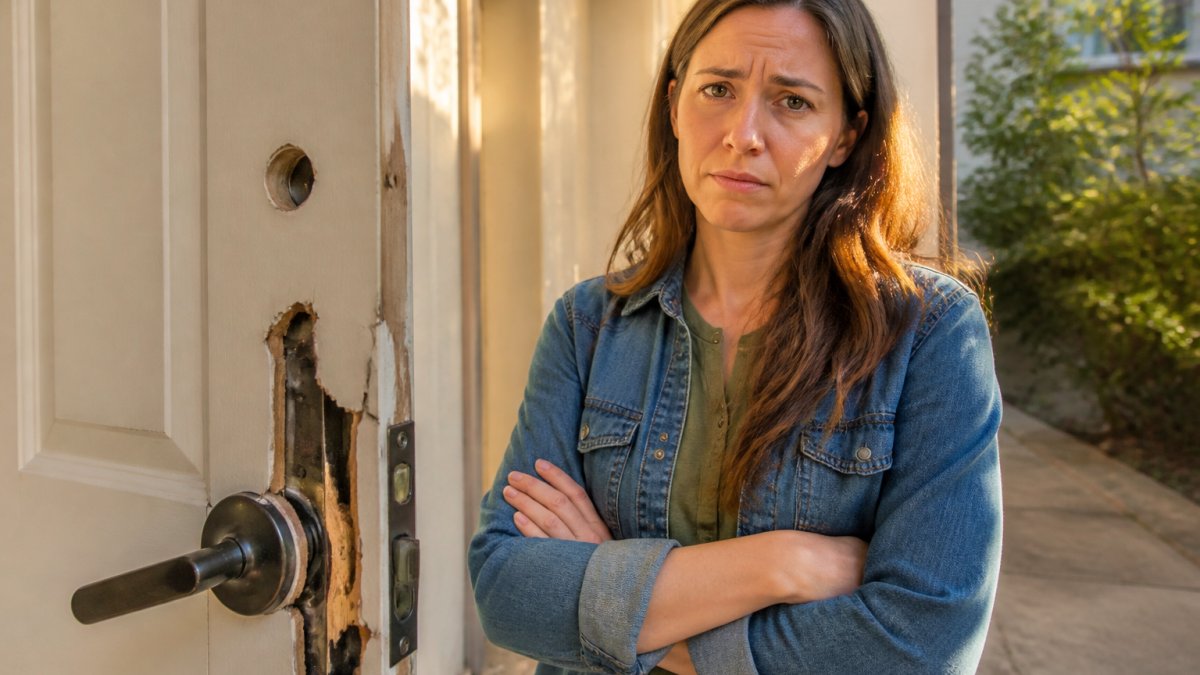
A new deadbolt will not correct a warped door, a loose frame, or a strike plate that no longer aligns with the bolt. Before replacing hardware, check whether the door closes and latches smoothly. If tenants need to lift, push, or pull the door hard to lock it, the hardware will wear out early and lockouts become more likely.
Exterior doors should have reinforced strikes, secure hinges, and weather protection where needed. Sliding patio doors need their own attention. A dowel, auxiliary lock, or properly installed security bar can help prevent forced opening, but any added security device must still allow safe emergency exit when required.
Garage side doors, rear doors, gates, and utility-room entries are often overlooked. They should have the same level of key control as the front door. A secure front entry does little good if an old key still opens a side entrance.
A Practical Turnover Lock Checklist
At every tenant change, inspect the exterior doors, test each deadbolt, and rekey or replace cylinders before the new resident receives access. Confirm that the door closes without force, the strike plate is tight, and all issued keys or access codes are documented.
For smart or keypad locks, delete every old code, reset administrator credentials when appropriate, test battery status, and confirm that the mechanical override key works. If the property has a garage remote, gate fob, mailbox key, or building access credential, include those in the turnover process too.
Local landlords should also check applicable California and local housing requirements before making changes. Lease terms, building rules, and fire-safety requirements can affect what hardware is appropriate. A tenant’s right to reasonable security and a landlord’s need for lawful access both deserve clear, consistent procedures.
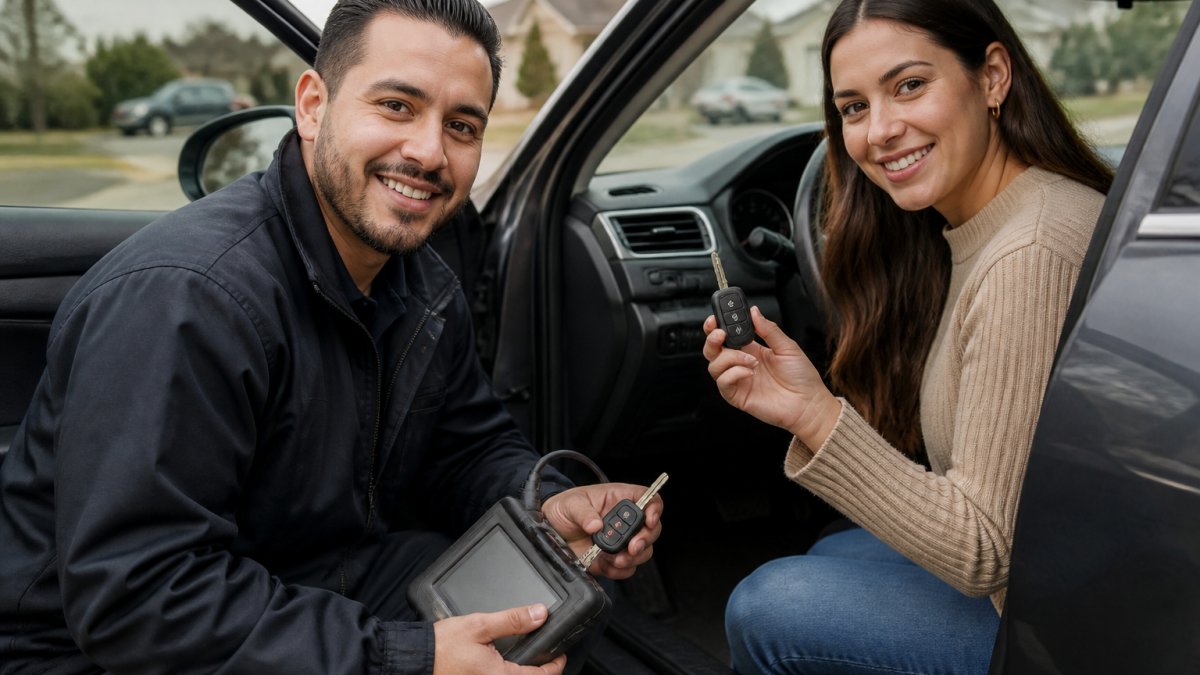
When a lock is damaged, keys are missing, or a move-in deadline is close, mobile locksmith service can prevent a small access issue from delaying the entire turnover. BDS Locksmith can assess the existing hardware on site, rekey eligible locks, replace failing deadbolts, and help property managers restore controlled access without sending staff across town for parts or keys.
The best rental lock is the one that fits the door, matches the property’s real access needs, and is maintained before it becomes an emergency. A clear rekeying policy and quality installation give every new tenant something basic but valuable: the confidence that their home is truly theirs from day one.