A lock upgrade should solve a real security problem, not just replace old hardware with something that looks newer. When you choose high security locks, you are deciding how well your door can resist forced entry, drilling, picking, unauthorized key copying, and everyday wear. For San Jose homeowners and business owners, the right choice depends on the door, the property, who needs access, and what happened to make you question your current locks.
A lost key, a former tenant, a break-in attempt, or a deadbolt that no longer works smoothly can all be reasons to act. The goal is not to buy the most expensive lock on the shelf. It is to install a lock system that fits the risk and is properly secured to a strong door and frame.
Start With the Door, Not Just the Lock
High security locks perform best when the entire entry point is in good condition. A premium deadbolt cannot fully protect a hollow, damaged, or poorly aligned door. Before selecting hardware, look at the door material, the condition of the frame, the strike plate, and the space around the latch and deadbolt.
For a residential front door, a solid-core wood, fiberglass, or steel door is usually a better foundation than a lightweight hollow-core door. The frame matters just as much. If the strike plate is held by short screws that only reach trim material, a forced kick can damage the frame before the lock itself fails. Longer screws secured into the wall framing and a reinforced strike plate can make a meaningful difference.
Commercial doors need the same attention, often with added concerns such as panic hardware, closers, aluminum storefront frames, access control, and fire-rating requirements. A locksmith can inspect the existing opening before recommending a replacement, helping you avoid buying hardware that does not fit or cannot be installed correctly.
What Makes a High Security Lock Different?
The phrase “high security” is used broadly, so look past the packaging. A quality lock generally adds protection in several areas rather than relying on one feature alone.
A stronger deadbolt body and bolt help resist prying and impact. Anti-drill components protect vulnerable points around the cylinder. Pick-resistant pin designs make common manipulation methods more difficult. Protected or restricted keyways can limit casual key duplication, while better cylinder construction improves reliability over years of daily use.
Security grades can also provide a useful starting point. Look for deadbolts tested to recognized ANSI/BHMA standards, with Grade 1 typically offering the highest level of residential and light commercial performance. A grade is not the whole story, though. Correct installation, key control, and door reinforcement often matter as much as the number on the box.
Be careful with vague claims such as “pick proof” or “unbreakable.” No mechanical lock can promise that. Good security is about increasing resistance, reducing easy opportunities, and making unauthorized entry more difficult, noisy, and time-consuming.
Choose High Security Locks Based on Your Risk
A single-family home, a rental unit, and a retail storefront do not need identical lock setups. Start by considering what you are protecting and how many people need legitimate access.
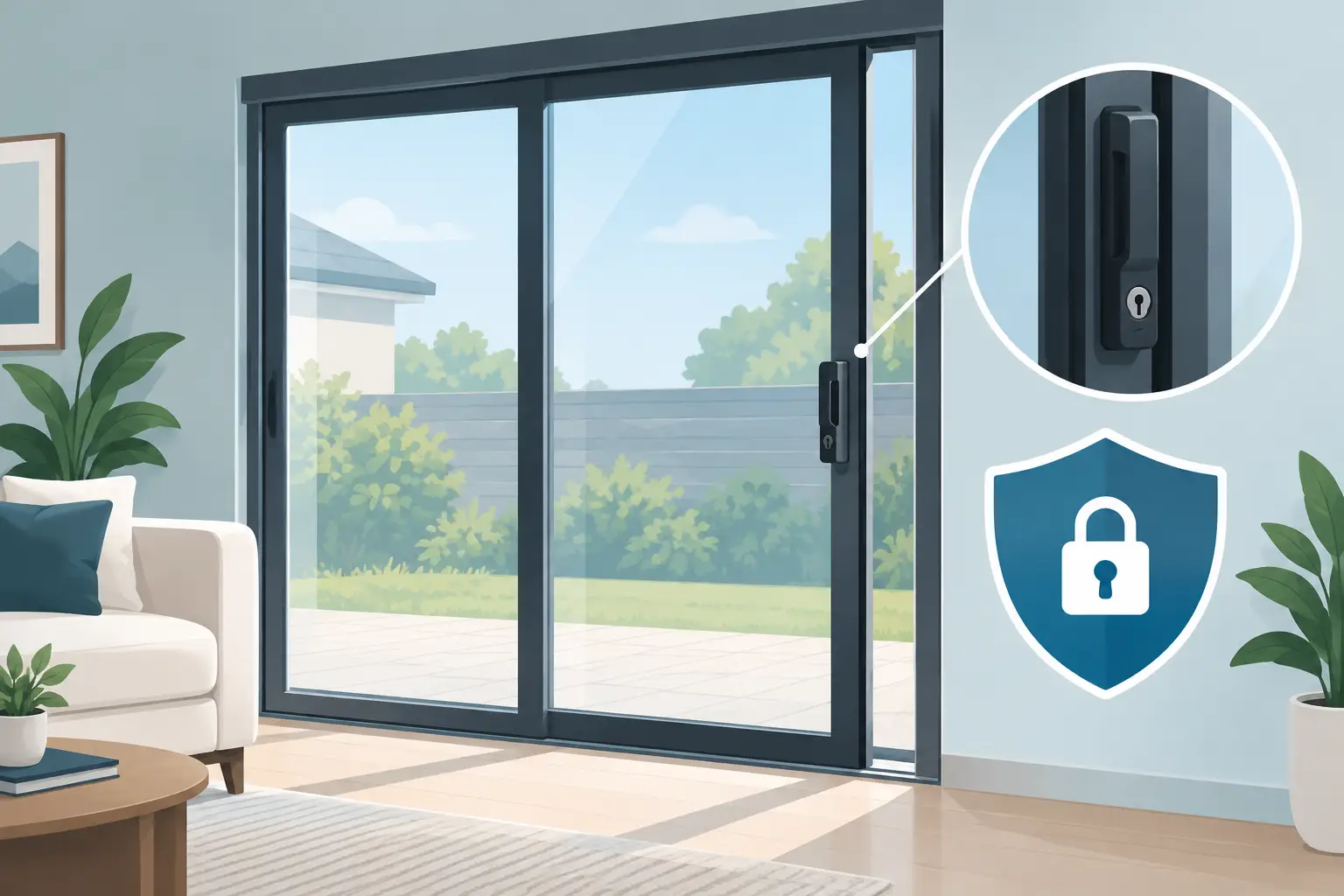
For most homes, a high-quality Grade 1 deadbolt on the main entry door is a practical upgrade. Pair it with a reinforced strike plate and address any loose hinges, weak frames, or sliding door vulnerabilities. If you recently moved in, rekeying or replacing locks should be one of the first tasks, even if the existing hardware appears to work.
Rental property owners and property managers often benefit from systems that make rekeying efficient. Rekeying changes the lock so old keys no longer work, without always replacing the entire hardware set. This can be a cost-effective choice between tenants when the locks are in good condition. If keys have been copied repeatedly or the property needs tighter control, a restricted key system may be the better long-term option.
For businesses, key control is often the deciding factor. If several employees, vendors, cleaners, or contractors have keys, standard keys can create an avoidable gap in security. Restricted keyways and organized master key systems can help control who receives keys and who can authorize copies. These systems require thoughtful planning because convenience and security can pull in different directions. Giving one key access to every door may be convenient, but it also creates greater exposure if that key is lost.
Key Control Is Part of the Security Plan
A strong lock is only as useful as the control you maintain over its keys. Many property owners focus on the cylinder but lose track of how many copies are in circulation. That becomes a problem after a roommate moves out, an employee leaves, a contractor finishes a job, or a key ring goes missing.
Ask whether the lock uses a standard keyway, a protected keyway, or a restricted keyway. Standard keys are easy to duplicate and may be suitable for low-risk interior doors. Protected and restricted systems offer more control over duplication, depending on the manufacturer and locksmith program. They may cost more initially, but they can reduce uncertainty when access needs to be managed carefully.
For a small business, keep a simple record of who has each key and what doors it opens. When staffing changes, recover keys promptly and rekey as needed. For homeowners, consider how many spare keys exist and where they have been left. A hidden key outside is often less secure than people expect.
Mechanical, Smart, or Both?
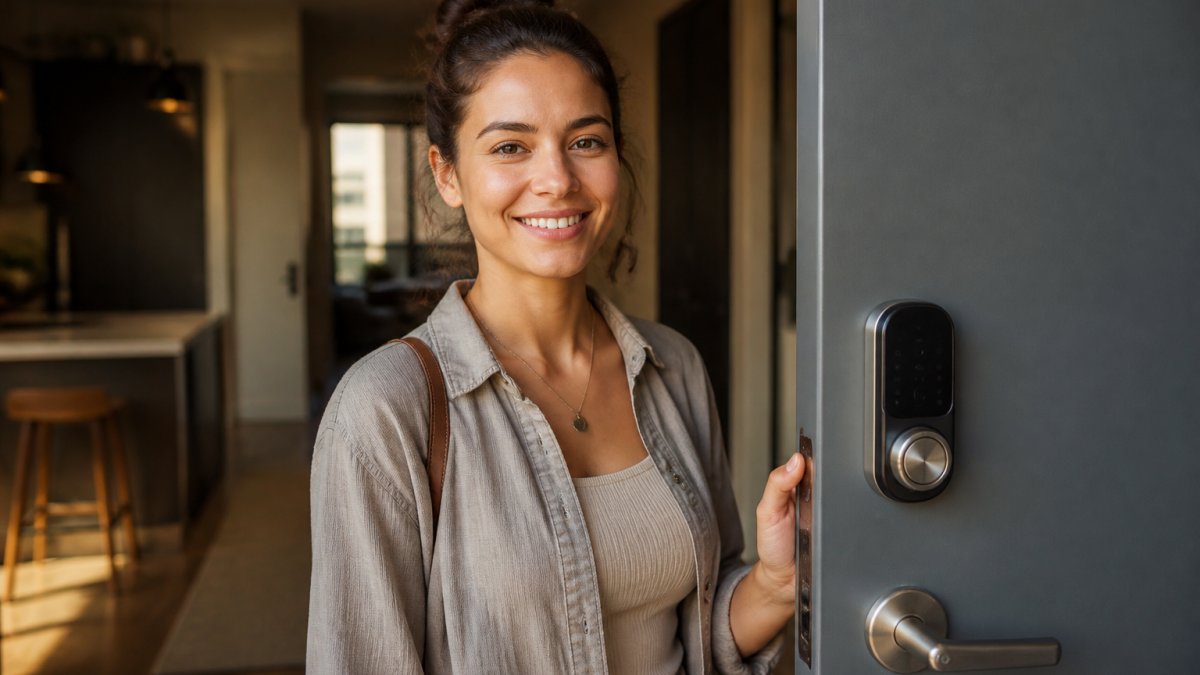
Smart locks can be useful when access changes often. They may allow temporary codes for guests, cleaners, maintenance workers, or deliveries, and some models provide activity records. For busy households and managed properties, that convenience can be valuable.
However, a smart lock is not automatically a high security lock. Check the quality of the deadbolt, the mounting hardware, battery backup options, weather resistance, and manual key override. You should also consider who will manage codes, what happens when batteries run low, and whether every user can operate the system comfortably.
A mechanical high-security deadbolt may be the better choice for a simple, dependable front-door upgrade. A smart lock can make sense when controlled access and frequent code changes are more important. Some properties benefit from both: reliable mechanical security on critical doors and electronic access where it improves daily operations.
Do Not Overlook Installation Details
Even excellent hardware can underperform when it is installed poorly. The bolt should extend fully into the strike, the door should close without forcing it, and the cylinder should be aligned correctly. A deadbolt that sticks may encourage people to leave it unlocked or can wear out prematurely.
On a commercial property, improper installation can affect door operation, accessibility, exit requirements, and fire-rated assemblies. This is not a place for guesswork. The correct hardware must work with the door’s intended use and local code requirements.
A professional locksmith can evaluate whether you need a deadbolt replacement, a cylinder upgrade, rekeying, reinforced strike hardware, or a more complete door-security improvement. BDS Locksmith provides mobile, on-site service throughout San Jose and the South Bay, so an assessment and installation can be handled where the lock is actually used.
When Replacement Makes More Sense Than Rekeying
Rekeying is often a smart response to lost keys or a change in occupancy, but it does not repair worn or weak hardware. Replacement is usually the better option when the lock is damaged, difficult to turn, visibly corroded, repeatedly jammed, or built with low-quality components. It also makes sense after attempted forced entry, even when the door still appears to close normally.
If your current deadbolt is a basic builder-grade model, upgrading may provide stronger materials, better key control, and a more secure bolt. A locksmith can explain the price difference before work begins, so you can choose a practical level of protection without surprises.
Make the Decision Before an Emergency
The best time to review your locks is before you are standing outside after a break-in, a lost key, or a lock failure. Walk through your property and identify the doors that matter most: the front entrance, garage access, side gates, office entries, storage rooms, and any door with valuable equipment or sensitive information.
Start with the weakest entry point, improve the door and frame along with the lock, and keep control of every key or access code you issue. A well-chosen lock will not remove every risk, but it gives you a stronger, more dependable layer of protection when your property needs it most.