A house lockout can turn stressful fast, especially when dinner is on the stove, a child or pet is inside, or you are standing outside late at night. Knowing how to unlock a house door safely starts with one rule: protect people and property before trying to get back in. A rushed attempt with the wrong tool can damage a lock, bend a door frame, break a window, or create a bigger security problem than the original lockout.
For San Jose homeowners, renters, and property managers, the safest answer depends on the type of door, lock, and urgency. Start with the low-risk options, stop before damage becomes likely, and bring in a qualified locksmith when the situation calls for professional tools and experience.
Start by Checking for an Immediate Emergency
If a young child, vulnerable adult, pet, or active cooking appliance is inside, treat the situation as urgent. Call 911 if there is an immediate threat to life, fire, or health. Do not spend valuable time trying improvised entry methods while someone may be in danger.
For a standard lockout without an immediate emergency, take a breath and inspect the situation calmly. Confirm that every accessible exterior door is actually secured. Check a side door, garage service door, back door, or a door leading from an attached garage. If you rent, avoid entering through windows or damaging property, even if you believe you can repair it later. Your lease may make you responsible for the damage, and a weakened window or frame can reduce home security.
Also think about who may have an authorized spare key. A nearby family member, trusted neighbor, property manager, roommate, or landlord may be able to help. This is often the quickest and least expensive option when it is available.
How to Unlock a House Door Safely: Use Low-Risk Options First
A locked knob or deadbolt is designed to resist force. Trying to defeat it with household objects may seem convenient, but many online tricks are unreliable and can damage modern hardware. Deadbolts, smart locks, reinforced strike plates, and high-security cylinders are especially likely to resist improvised attempts.
Before calling for service, check whether your lock has a legitimate access feature. Some smart locks can be opened through their mobile app, a keypad code, backup key, or emergency power connection. Follow the manufacturer’s instructions only. Repeatedly entering incorrect codes, forcing a battery cover, or prying at electronics can create a more expensive repair.
If you have a keyed knob with an interior privacy lock, such as a bedroom or bathroom door, it may have a manufacturer-provided emergency release hole. That is different from an exterior entry lock. Use the appropriate release tool only if it is your door and you understand the lock’s intended function. Exterior doors should not be treated this way.
A garage door can be another possible point of access, but only if it can be opened normally and safely. Never force an automatic garage door, pull on a cable, or tamper with its spring system. Garage door springs and related hardware are under high tension and can cause serious injury.
Avoid Methods That Can Damage the Door or Create Risk
It is tempting to grab a screwdriver, credit card, drill, coat hanger, or pry bar when you are locked out. Those methods are more likely to leave you with a damaged door, broken lock, or compromised frame. They can also make a locksmith’s job more difficult and increase the final repair cost.
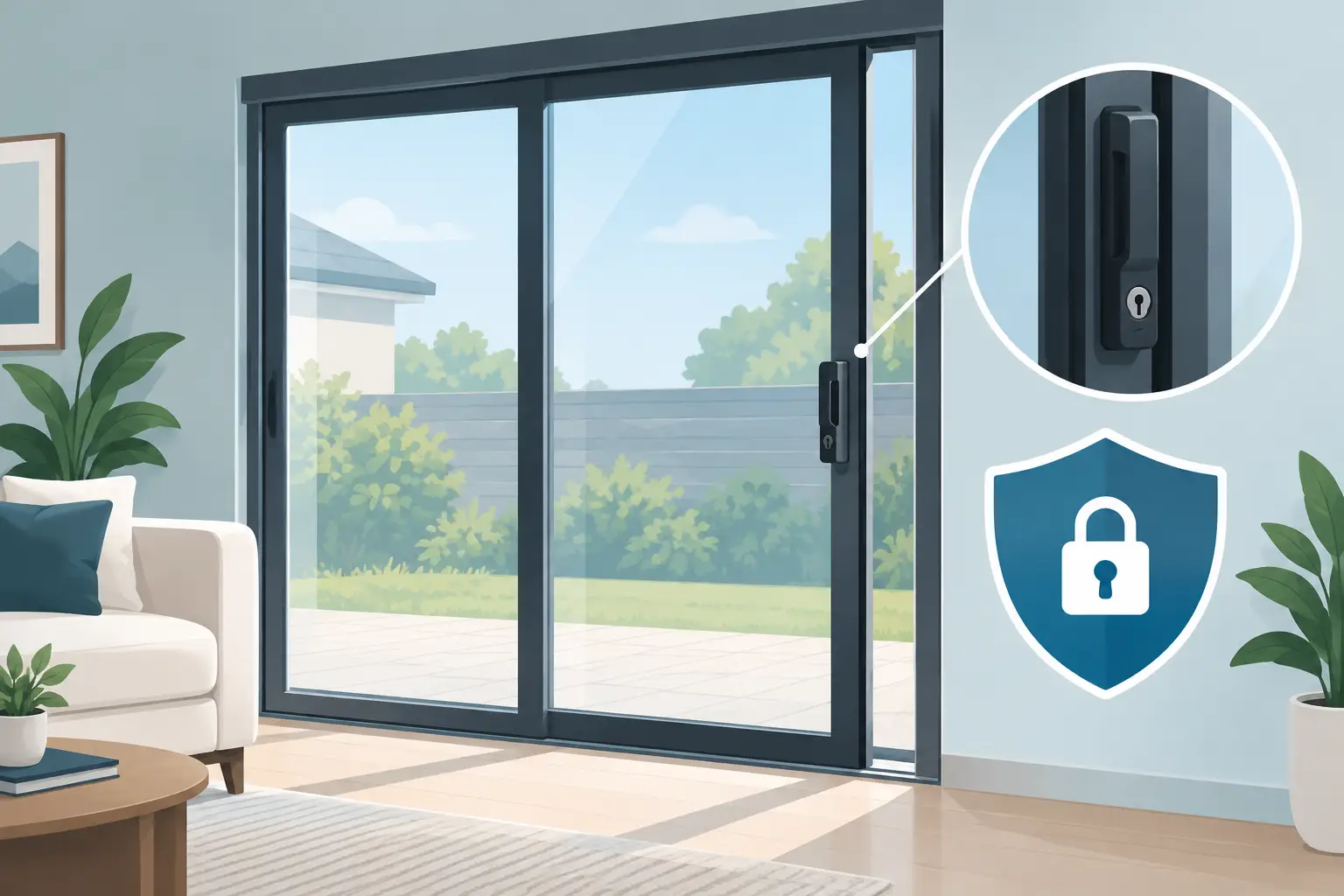
Avoid breaking a window unless there is a true life-safety emergency and emergency responders advise it. Broken glass creates an immediate injury hazard, requires cleanup, and can leave your home exposed until repairs are completed. Do not remove window screens or force sliding windows either. Frames can bend, glass can crack, and many windows have secondary locks that are easy to damage.
Do not drill a lock unless you are prepared to replace the hardware and have verified that no safer option exists. Drilling is a last-resort professional procedure, not a first response. A trained locksmith can assess whether the lock can be opened without replacement, whether a key is broken inside, and whether the cylinder or deadbolt is already failing.
Forcing a door is equally risky. A hard shoulder push or pry bar can split the jamb, bend hinges, damage weatherstripping, and compromise a strike plate. Even if the door opens, it may no longer close or secure correctly afterward.
Call a Licensed Mobile Locksmith When Entry Is Not Simple
A professional locksmith is the right choice when you have no spare key, the lock is damaged, a key has broken off, the deadbolt will not turn, or you are locked out after hours. For many people, it is also the right choice the moment they recognize that a DIY attempt could damage their home.
A reputable locksmith should verify that you have the right to enter the property. Be ready to show identification, a lease, proof of residence, or another reasonable form of authorization. If your ID is inside, explain that before service begins. A professional can often work with available documentation, a property manager, or other verification steps.
Ask for a clear estimate before work starts. The final price can depend on the lock type, time of day, travel distance, condition of the hardware, and whether replacement parts are needed. Honest pricing means understanding those factors upfront rather than being surprised after the door is open.
BDS Locksmith provides mobile residential locksmith service throughout San Jose and the South Bay, bringing professional tools directly to the location. When possible, the goal is non-destructive entry that preserves your existing lock. If the lock has failed or is no longer secure, a technician can explain practical replacement or rekeying options on site.
What to Do Once You Are Back Inside
Getting inside is only part of the job. Take a minute to determine why the lockout happened. If the key was lost, stolen, or left somewhere that could identify your address, consider rekeying or replacing the lock. Rekeying changes the internal configuration so the missing key no longer works, while allowing you to keep compatible hardware in many cases.
If the key was simply left inside and remains secure, you may only need a spare-key plan. Make at least two copies through a reliable key service, then keep them in separate secure locations. A trusted person can hold one. Another can stay in a locked key safe rated for outdoor use, provided it is installed discreetly and used carefully.
Pay attention to warning signs that the hardware needs service. A key that sticks, a deadbolt that requires lifting the door to turn, a loose knob, or a latch that does not align with the strike plate can lead to another lockout. Small adjustments are usually easier and less costly than waiting for a lock to fail completely.
Improve Access Without Weakening Security
The best way to prevent a future lockout is not hiding a key under a doormat or flowerpot. Those are predictable places that can give an intruder easy access. Instead, choose a solution that balances convenience with real security.
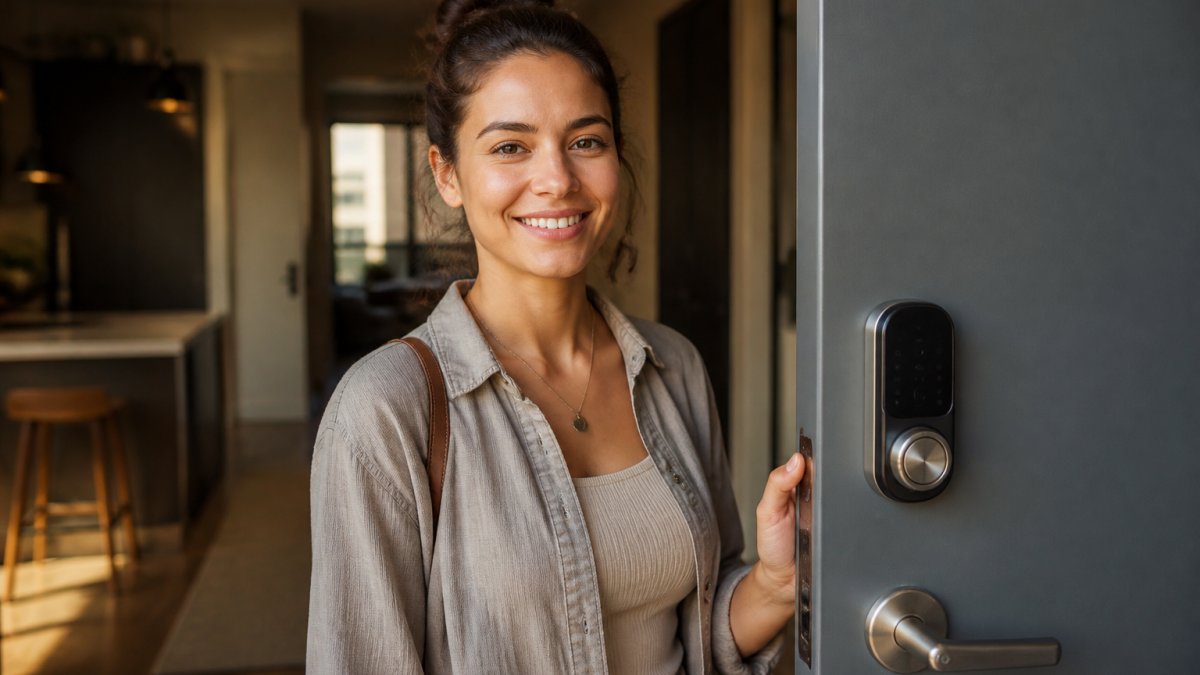
A keypad deadbolt can work well for households that regularly need shared access, such as families, caregivers, cleaners, or contractors. Look for a model that allows individual codes, code deletion, and a physical key backup. Smart locks can add remote management, but they depend on batteries, compatible apps, and sometimes internet connectivity. Keep the backup method accessible and test it before an emergency occurs.
For rental properties or small businesses, rekeying between tenants or staff changes is often a practical security measure. It is usually more efficient than wondering how many unreturned keys may still be in circulation. Property managers should also keep a documented, controlled emergency-access process rather than relying on untracked spare keys.
A Calm Response Protects Your Home
The safest way to handle a home lockout is to resist the urge to force the door. Check authorized entry options, use only intended access features, and call a qualified locksmith when the lock cannot be opened without risk. A few careful decisions can protect your door, your budget, and the security of the place you call home.