A lockout rarely happens at a convenient time. You may be standing beside your car in a parking lot, outside your front door after a long day, or unable to enter a business before opening. Knowing what to do after a lockout helps you get back inside without turning a stressful moment into a safety issue, damaged lock, or bigger security problem.
The first priority is simple: stay safe, protect the property, and choose the right way to regain access. A professional mobile locksmith can usually come to your location, assess the situation, and provide an on-site solution without requiring a tow, a shop visit, or risky DIY attempts.
Start With Safety Before Trying to Get Back In
Take a moment to assess your surroundings. If you are locked out of a vehicle on a busy road, move away from traffic if possible and wait somewhere visible and safe. If a child, pet, older adult, or anyone with a medical need is locked inside a hot or cold vehicle or home, call 911 immediately. Emergency responders should be involved when there is an immediate risk to health or safety.
For a standard lockout, avoid leaving purses, electronics, tools, or other valuables in plain sight while you wait. At a home or business, make sure windows, side gates, garage entries, and other accessible areas have not been left open. A lockout can create an opportunity for someone else to enter if you are distracted.
Do not try to force a door, pry a window, or break glass. Those actions can cause injuries and expensive damage, and they may make a locksmith’s work more difficult. Modern vehicle doors, smart keys, deadbolts, and commercial access systems are designed to resist forced entry. What looks like a quick fix can turn into a damaged door frame, broken weather stripping, bent lock hardware, or a malfunctioning ignition.
What to Do After a Lockout From Your Car
A car lockout may be as simple as keys sitting on the seat, but the cause matters. Start by checking every door, the trunk, and the key fob battery if you have it. Some vehicles will not respond to a weak fob battery even when the emergency mechanical key can still open the door. Your owner’s manual may explain where the hidden key slot or emergency start point is located.
If your key is lost, broken, stolen, or locked in the trunk, call a qualified automotive locksmith. The technician should be able to verify ownership, gain entry without unnecessary damage, and determine whether you need a replacement key, transponder key programming, a smart key, or ignition service.
After you regain access, do not assume the job is finished. If the keys were stolen or lost in a location where someone could identify your vehicle, ask about deleting the missing key from the vehicle’s memory and programming new keys. This step is especially valuable for push-button-start vehicles, where a lost smart key may still allow someone to access or start the car.
If your key broke in the door, trunk, or ignition, do not push the remaining piece farther inside. A locksmith can extract the broken key and inspect the lock or ignition cylinder for wear. Continuing to use a damaged key often leads to another lockout at the worst possible time.
Keep a backup plan for the next drive
Once the immediate issue is handled, decide where a spare key belongs. A trusted family member, secure home location, or properly protected key storage option is usually safer than hiding a key under the vehicle. Avoid magnetic boxes in obvious locations. They are easy to find and may create an avoidable theft risk.
What to Do After a Home Lockout
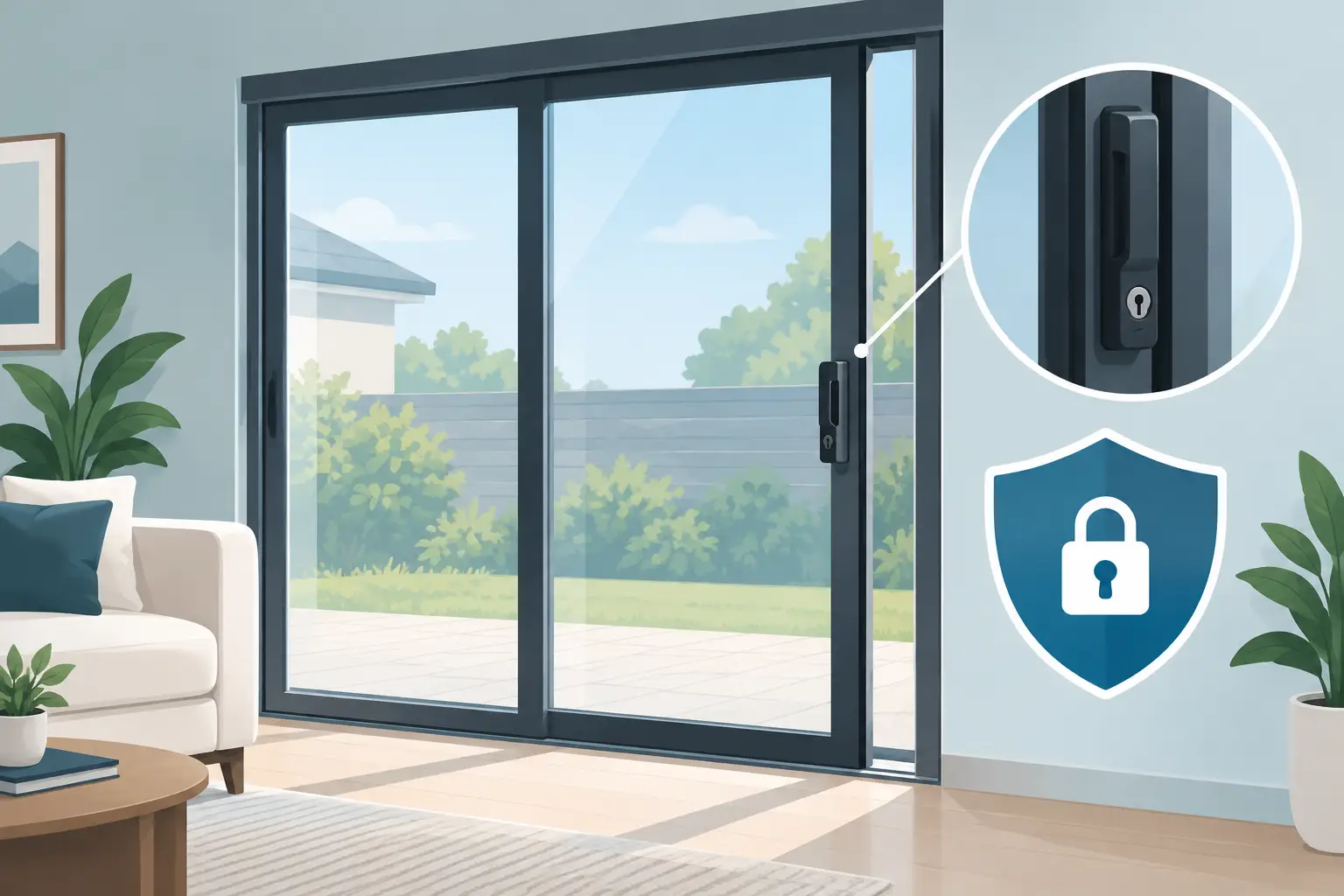
After a home lockout, first confirm that everyone inside is safe. If a child is alone in the home, food is cooking, or there is another urgent concern, contact emergency services. Otherwise, resist the temptation to use a credit card, screwdriver, wire hanger, or improvised tool on the lock. These methods can damage the latch, scratch the door, weaken the frame, and often do not work on a properly installed deadbolt.
A locksmith can open many residential doors with methods designed to preserve the existing hardware whenever possible. Once you are back inside, consider why the lockout occurred. Was the key accidentally left inside? Did the key snap? Is the deadbolt sticking? Did a keypad lock fail? The answer determines whether you simply need a spare key or whether the lock needs repair, rekeying, or replacement.
If your keys were lost, stolen, or taken during a move, rekeying should be high on your list. Rekeying changes the internal pins of an existing compatible lock so old keys no longer work. It is often a practical choice when your hardware is in good condition. Replacing the lock may make more sense when it is worn, damaged, outdated, or does not provide the level of security you want.
Check the door, not just the key
Repeated lockouts can point to a door alignment problem. Seasonal movement, loose hinges, a swollen wood door, or a misaligned strike plate can make a deadbolt hard to turn. Forcing the key may break it or damage the cylinder. A locksmith can identify whether the problem is with the key, lock, door, or frame and recommend a clear solution.
What to Do After a Business Lockout
For a business, a lockout affects more than convenience. It can delay opening, interrupt deliveries, lock employees out of offices, or prevent access to inventory, files, and equipment. If you are a manager or property owner, verify that the person requesting service is authorized to access the space. This protects the business and helps the locksmith handle the situation responsibly.
Avoid giving keys, alarm codes, or access credentials to unauthorized employees simply to solve an immediate problem. If a key holder has left the company, keys are missing, or access cards have not been returned, the lockout may reveal a larger security gap. Rekeying exterior doors, changing access codes, and reviewing who has keys can protect the business after access is restored.
Document what happened, especially if there is a concern about lost keys, attempted forced entry, or damage to a lock. Photos and a written record may be useful for property managers, insurance records, or internal security procedures. If you notice signs of a break-in, do not disturb the area. Contact law enforcement first, then arrange for emergency lock repair or replacement.
Secure Things Once You Are Back Inside
The best answer to what to do after a lockout is not just getting access back. It is making sure the same situation does not leave you vulnerable again.
Start with the condition of your keys and locks. Replace bent, cracked, or worn keys before they break. If a lock is difficult to operate, have it inspected rather than spraying it with whatever lubricant is nearby. The wrong product can collect debris and make the problem worse over time.
Next, think about key control. At home, limit spare keys to people you trust and know exactly how many copies exist. For rental properties and businesses, keep an updated record of who holds keys, which doors they access, and when keys are returned. A simple system can prevent confusion when staffing or tenants change.
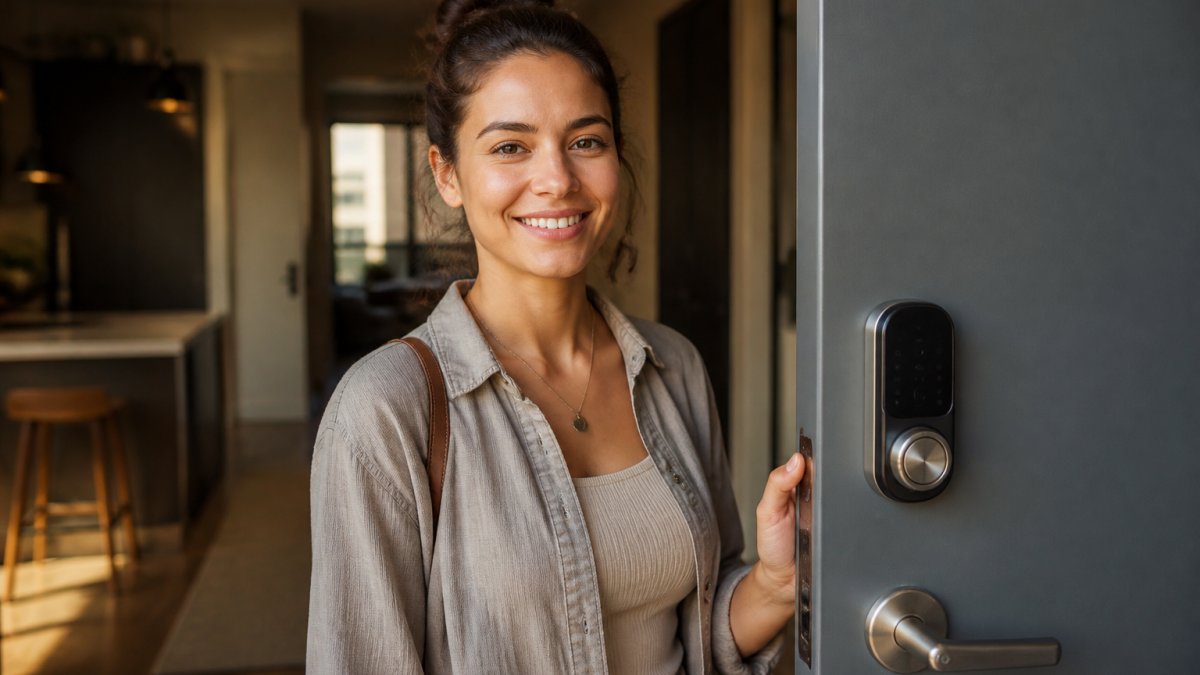
For electronic locks and smart access systems, update codes after a lost phone, employee departure, contractor work, or move-in. Use unique codes where possible instead of sharing one code with everyone. Convenience is useful, but shared access without accountability creates a real security trade-off.
Choose Help That Protects Your Property
A lockout service should do more than open a door. Ask for clear pricing before work begins, confirm the technician can handle your specific vehicle, lock type, or commercial system, and expect identification and ownership verification where appropriate. A legitimate locksmith will explain the available options and recommend the least disruptive solution that meets your security needs.
For San Jose and South Bay customers, BDS Locksmith provides mobile locksmith service for vehicle, home, and business lockouts, along with replacement keys, rekeying, lock repair, and security upgrades completed on site. A licensed, bonded, and insured technician can help you regain access while keeping the focus on your property’s security afterward.
A lockout is frustrating, but it can also be a useful reminder to improve your backup access plan. Keep a reliable spare-key arrangement, address locks that are beginning to fail, and treat lost keys as a security concern rather than only an inconvenience.