A key missing from the hook by your door can change how safe your home feels. So, when should locks be changed? The answer is not always “right away,” but there are situations where delaying the decision leaves your home, family, tenants, or business exposed. Knowing the difference between a lock that needs replacement and one that can be rekeyed can save time, reduce stress, and keep costs clear.
For San Jose homeowners, renters, landlords, and small business owners, the best choice depends on who may have a key, the condition of the hardware, and the level of security you need now.
When Should Locks Be Changed Immediately?
Some situations call for a prompt lock change because control over your keys has been lost or the lock is no longer dependable. If someone could enter without your permission, treat it as a security issue rather than a task to put off until next week.
You should strongly consider changing locks after a break-in or attempted break-in. Even if a burglar did not successfully enter, visible damage to a deadbolt, strike plate, door frame, or lock cylinder can make the door easier to force open next time. A locksmith can inspect the full setup, not just the keyhole, and recommend whether the existing hardware can be repaired or should be replaced.
Lost or stolen keys are another clear reason to act. This is especially true if the keys were lost with anything identifying your address, such as a wallet, mail, work badge, or key tag. You may never know who found them. Changing the lock or rekeying it removes that uncertainty.
Other urgent situations include:
- A former roommate, tenant, employee, contractor, or caregiver still has a key.
- Your keys were taken during a theft, car break-in, or domestic dispute.
- A lock is loose, jammed, difficult to turn, or has been visibly damaged.
- You have just moved into a property and do not know how many copies exist.
- A key broke inside the lock or the lock was drilled during an emergency opening.
In these cases, a mobile locksmith can come to your location, assess the door and hardware, and complete the work on site. That means you do not have to remove a lock yourself or leave a door unsecured while waiting for a shop appointment.
Change Locks After Moving Into a Home or Business
Moving day comes with boxes, utility accounts, movers, and a long list of small decisions. Locks are easy to overlook, but they should be near the top of the list. Previous owners may have given keys to relatives, neighbors, dog walkers, cleaners, repair technicians, or babysitters. Even responsible sellers cannot always account for every duplicate made over the years.
The same applies to rental homes and commercial spaces. A new tenant may receive the keys from a property manager, but older copies can still be in circulation. For landlords and property managers, rekeying between tenants is often a practical way to restore key control without replacing every lock on every turnover.
If the existing deadbolts are in good condition, rekeying may be enough. A locksmith changes the internal pins so old keys stop working and provides a new key set. If the locks are outdated, mismatched, low quality, or damaged, replacement may offer better value over time.
Rekeying vs. Replacing Locks: What Is the Difference?
Rekeying and lock replacement solve related problems, but they are not the same service. Rekeying keeps the existing lock hardware in place while changing the key combination inside it. It is usually the right option when the lock works properly and your main concern is that someone else may have a key.
Replacing a lock means installing new hardware. This is the better choice when a lock is worn out, damaged, no longer matches your security needs, or cannot be rekeyed. Replacement also makes sense when you want to move from a basic knob lock to a quality deadbolt, install high-security hardware, or upgrade the look and function of your door.
Cost can be a deciding factor, but it should not be the only one. Rekeying is often less expensive because it uses your existing hardware. Still, spending less on a failing or weak lock can create another service call soon after. A qualified locksmith should explain both options and give you straightforward pricing before work begins.
Signs Your Locks Are Wearing Out
Locks do not always fail without warning. Many begin with small, frustrating problems that homeowners learn to work around: lifting the door while turning the key, jiggling the key to get it out, or using extra force to lock up at night. Those habits can turn a minor alignment issue into a lockout or broken key.
A lock should be inspected if the key sticks, turns roughly, spins without operating the bolt, or only works from one side of the door. Rust, corrosion, loose screws, a sagging door, or a latch that does not fully catch are also warning signs. The issue may be the lock, the strike plate, the door alignment, or a combination of all three.
Exterior doors deserve closer attention because they carry the most security responsibility and face more weather exposure. A front door deadbolt that has lasted for years may still look fine while internal components have worn down. If your lock feels unreliable, it is better to have it checked before you are locked out or unable to secure the door.
After a Break-In, Look Beyond the Lock
After an attempted forced entry, replacing the cylinder alone may not fix the weak point. Burglars often attack the door frame, strike plate, hinges, or glass near the lock. A deadbolt is only as effective as the structure holding it in place.
A professional inspection can identify whether longer strike screws, reinforced hardware, a new deadbolt, or door-frame repair is needed. For businesses, it may also be time to review employee access, master key systems, storefront locks, and panic hardware. The goal is not to add hardware for the sake of it. It is to correct the specific vulnerability that was exposed.
If you are dealing with an active emergency or a door that will not secure, ask for same-day mobile service. BDS Locksmith can provide on-site support in San Jose and the surrounding South Bay, with clear recommendations based on the condition of your doors and locks.
How Often Should You Change Locks If Nothing Is Wrong?
There is no universal schedule that requires every homeowner to replace locks every few years. A well-made deadbolt that operates smoothly and has not been compromised may not need replacement for a long time. Changing locks on a calendar alone can be unnecessary.
Instead, review your locks whenever access to the property changes. A move, tenant turnover, employee departure, relationship change, lost key, or completed renovation is a useful trigger. It is also smart to reassess security after buying a home that still has basic builder-grade hardware.
For a business, access changes can happen more often. If keys are shared among staff, vendors, cleaning crews, or managers, create a clear key-control process. Rekeying after a key is not returned may be far less costly than dealing with theft, unauthorized entry, or a security dispute later.
Do Smart Locks Eliminate the Need to Change Locks?
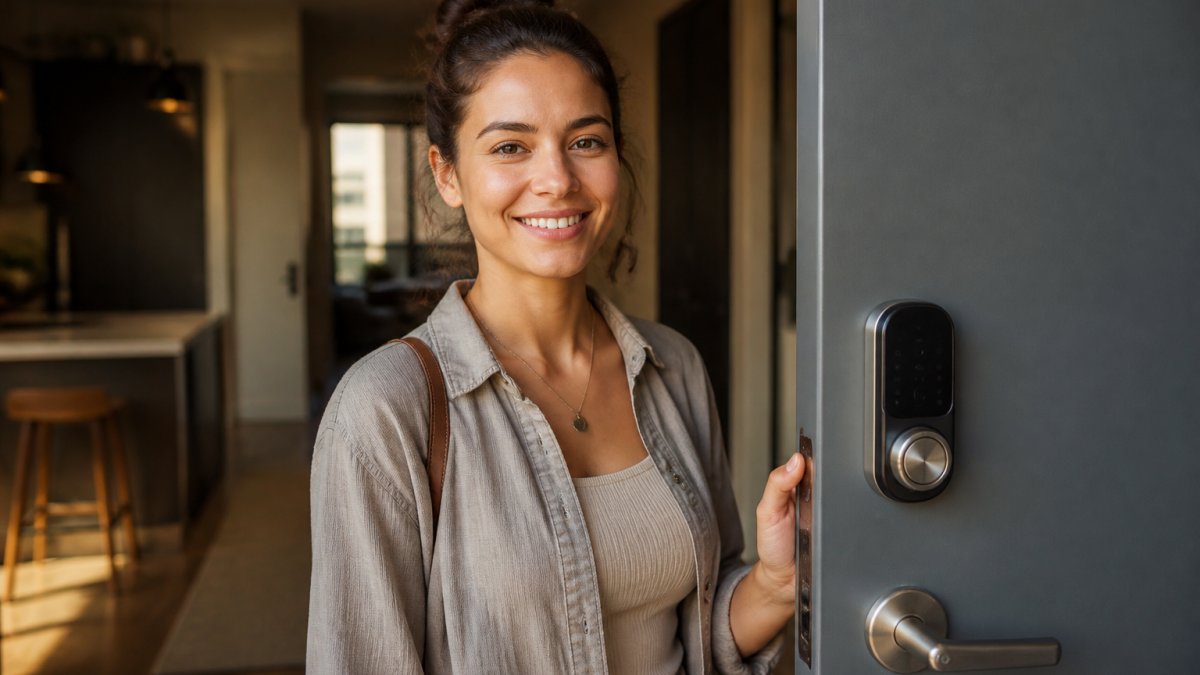
Smart locks can make access easier to manage, but they do not remove the need for physical security. Their main advantage is that you can delete a user code or digital credential without collecting a physical key. That is useful for rental properties, offices, and households with frequent visitors.
However, many smart locks still have a keyway, deadbolt, batteries, and mechanical parts that require maintenance. A smart lock installed on a weak door frame is not a complete security solution. Before upgrading, consider who needs access, whether you need remote management, how the lock works during a power or battery issue, and whether the door itself is in good condition.
A Simple Way to Make the Decision
Ask two questions: Can someone you do not trust still have a working key, and does the lock work as it should? If key control is the only concern and the hardware is sound, rekeying is often the efficient answer. If the lock is damaged, outdated, unreliable, or too weak for the door it protects, replacement is the safer move.
A reliable lock should not be something you think about every time you leave home. If yours has become a question mark after a move, lost keys, or a close call, having it inspected now can restore confidence before it becomes an emergency.