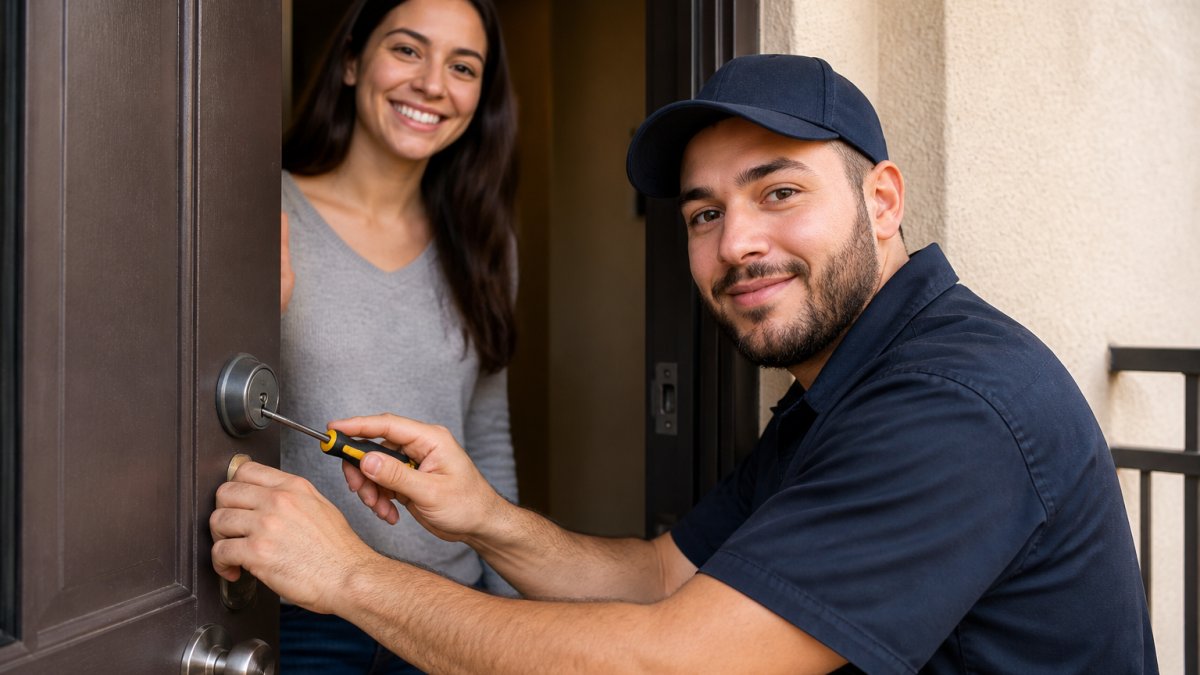
A lost motorcycle key can stop a perfectly good ride before it starts. Whether your key disappeared at work, snapped in the ignition, or never came with a used bike, this motorcycle key guide explains what can be replaced, what information helps, and when an on-site locksmith is the practical answer.
Motorcycle keys are not all simple metal cuts. Many newer bikes use chip-equipped keys, remote fobs, proximity systems, or coded ignition components. That difference affects the replacement process, the time involved, and the equipment needed. The good news is that a missing key does not automatically mean towing your motorcycle to a dealership.
Start With the Type of Motorcycle Key You Have
The first step is identifying the kind of key your motorcycle uses. Older motorcycles often use a standard mechanical key that can be cut from an existing key or made from the lock itself. These are generally the most straightforward replacements, provided the ignition and lock cylinder are in usable condition.
Many late-model motorcycles use a transponder key. A small electronic chip inside the key communicates with the bike’s immobilizer system. The blade may turn the ignition, but the engine will not start unless the chip is programmed correctly. Some models also use a remote fob or smart key that lets the rider start the motorcycle without inserting a traditional key.
Brand, model, year, and trim matter. Two motorcycles from the same manufacturer can use very different key systems depending on the model year and security package. A qualified locksmith will ask for those details before promising a solution or providing an accurate estimate.
Motorcycle Key Guide: Your Replacement Options
The best replacement option depends on whether you still have a working key, the condition of the locks, and the bike’s security system. If you have one working key, making a spare is usually the easiest and least stressful route. It gives the locksmith a physical reference and lets you avoid being stranded later.
If every key is lost, a replacement may still be possible. A locksmith can often create a mechanical key by decoding the ignition or another lock on the motorcycle. For transponder-equipped motorcycles, the new key may also need to be programmed to the immobilizer. Smart-key systems can require additional diagnosis and model-specific equipment.
Dealership service is sometimes appropriate, especially for highly specialized or very new motorcycle systems. However, it may require proof of ownership, parts ordering, scheduling, and transportation to the shop. A mobile locksmith can be more convenient when the motorcycle is parked at home, at work, in a garage, or at a roadside location. The right choice comes down to your bike and how quickly you need to ride again.
What to Have Ready Before Calling for Help
Clear information helps avoid delays and makes pricing more transparent. Have your motorcycle’s make, model, model year, and vehicle identification number available if possible. A photo of the key, ignition, or owner paperwork can also help identify the key system.
You should also be ready to show proof that the motorcycle belongs to you. A registration, title, insurance card, or other ownership documentation protects both the owner and the service provider. Legitimate locksmiths should not create keys for a motorcycle without reasonable verification of authorization.
Explain exactly what happened. Mention whether the key is lost, bent, broken, stuck in the ignition, or no longer recognized by the motorcycle. If a key broke, save every piece you can find. A broken blade may provide useful cutting information, and removing it carefully can prevent further damage to the ignition.
When the Problem Is More Than the Key
A replacement key will not fix a damaged ignition cylinder, worn lock wafers, a drained fob battery, or an immobilizer fault. This is why a proper assessment matters before paying for a new key. If your key turns but the motorcycle will not start, the issue may be electronic rather than mechanical.
A key that is difficult to insert or turn can point to a worn key, internal debris, or a failing ignition. Do not force it. Excess pressure can snap the key inside the cylinder or damage delicate internal components. Avoid spraying random lubricants into the ignition as well. Some products attract dirt and can make the problem worse over time.
If a key is stuck or broken, professional extraction is usually safer than trying to pull it out with pliers, glue, or improvised tools. Those methods can push the broken piece deeper or damage the lock enough to require replacement. A locksmith can inspect the cylinder, extract the fragment when possible, and determine whether a new key, repair, or replacement ignition is needed.
Why a Spare Motorcycle Key Is Worth It
A spare key is one of the simplest ways to prevent an expensive interruption. It is especially useful for riders who commute, travel, share a bike with a family member, or keep their motorcycle in a location far from home. Waiting until the only key is gone leaves fewer options and often creates more urgency.
Keep the spare separate from the motorcycle. Storing it under the seat, in a saddlebag, or in the same backpack as the primary key defeats the purpose if the bike or bag is inaccessible. A secure location at home is usually the safest choice. For smart keys and fobs, check the owner’s manual for battery guidance and replace weak batteries before they fail at an inconvenient time.
A spare should be tested before you need it. Make sure it turns the ignition, starts the motorcycle when applicable, and operates any fuel cap, seat, trunk, or luggage locks that use the same key. On motorcycles with transponder keys, a newly cut blade is not enough unless it has been programmed and verified.
Avoid These Common Motorcycle Key Mistakes
Trying to save time with the wrong approach can turn a key problem into a lock or ignition repair. Avoid these four mistakes:
- Forcing a worn, bent, or sticking key in the ignition.
- Ordering an unverified blank online and assuming it will start the bike.
- Using a copied key before confirming it is correctly cut and programmed.
- Ignoring early signs of an ignition that sticks, spins, or only works at certain angles.
Some aftermarket blanks work well, while others do not match the original key profile or electronic requirements. The lowest upfront price is not always the lowest total cost if the key fails, damages the ignition, or needs to be replaced again. Ask what is included in the estimate: the key itself, cutting, programming, travel, and any necessary diagnostic work.
Choosing Mobile Motorcycle Key Service in San Jose
When your motorcycle cannot be started, mobility matters. A mobile locksmith can come to the bike’s location, which may help you avoid arranging a tow or leaving the motorcycle unattended. For a rider dealing with a lost key in a parking lot, apartment garage, or workplace, that convenience can make a stressful situation much easier to manage.
Ask whether the technician has experience with your motorcycle’s key type and whether programming is available for your system. You should also ask for clear pricing before work begins, including any service call, key, programming, or ignition-related charges. Licensed, bonded, and insured service adds another layer of confidence when someone is working on your motorcycle’s security system.
BDS Locksmith provides mobile locksmith support for motorcycle key needs throughout San Jose and the South Bay, with straightforward estimates and on-site service when available. The goal is not just to make a key, but to help you get back to a secure, working motorcycle without unnecessary delays.
A motorcycle key problem is easier to handle when you act early. Make a tested spare while you still have a working key, protect your ownership records, and call a qualified mobile locksmith if the key, ignition, or immobilizer system leaves you stuck.