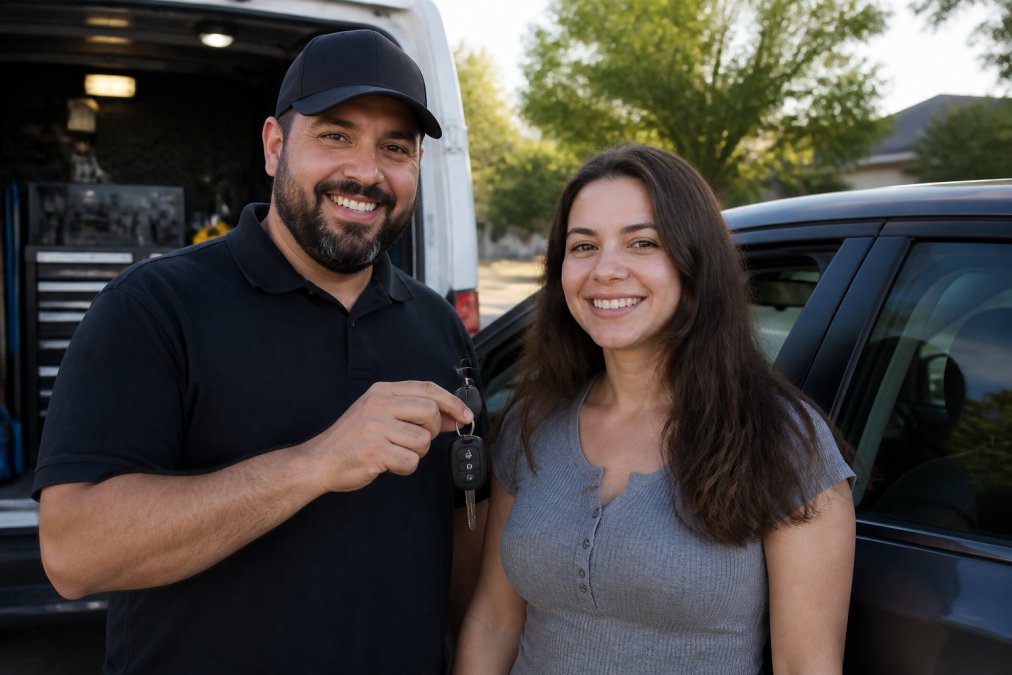
A former employee still has a key. A master key goes missing. A new tenant moves into a suite, and nobody knows how many copies of the old keys are circulating. These are the moments when business owners ask how to rekey office door locks – and need an answer that protects the workplace without creating unnecessary downtime.
Rekeying changes which key operates an existing lock. The lock hardware stays in place, but its internal pins are reset to work with a new key. For many offices, that makes rekeying a faster and more cost-conscious security step than replacing every lock after a staffing, tenant, or key-control change.
When an Office Lock Should Be Rekeyed
Rekeying is usually the right first move when the lock itself is in good condition but control of the existing keys is no longer certain. Common situations include employee terminations, lost or stolen keys, office relocations, contractor access, tenant turnover, and a change in property management.
It is also a smart choice when keys have been copied over several years without a clear record of who has them. A key returned by an employee does not always solve the problem. Copies may have been made, and standard keys can be duplicated quickly unless the business uses a controlled key system.
Do not wait for a break-in to review access. If the office has sensitive files, inventory, expensive equipment, client information, or restricted work areas, a key-control issue deserves prompt attention. Rekeying exterior doors, private offices, storage rooms, server rooms, and file rooms can close a security gap the same day.
How to Rekey Office Door Locks: The Basic Process
A commercial locksmith begins by identifying the lock type, keyway, and current keying arrangement. Office doors may use cylindrical lever locks, mortise locks, deadbolts, rim cylinders, storefront locks, panic-bar cylinders, or restricted key systems. The correct approach depends on the hardware already installed.
The technician removes the lock cylinder or core, disassembles it carefully, and replaces or rearranges the internal pins so the old key no longer works. A new key is cut, and the cylinder is tested several times before the lock is reassembled. The technician should confirm that the door latches, locks, and unlocks properly from both sides where applicable.
For a single office door with ordinary hardware, the work may be straightforward. A larger office suite can be more involved, especially when several doors are tied to a master key system. The goal is not simply to make new keys. It is to preserve the access plan your business actually needs.
For example, employees may need one key for the main entrance and their department door, while managers need access to every office and storage area. A properly planned master key system can make that possible without handing out a large ring of keys to every supervisor.
Decide Whether Rekeying or Replacement Makes More Sense
Rekeying is effective only when the existing lock is reliable and compatible with the access plan. If the lock is worn, damaged, loose, difficult to turn, or frequently sticking, replacement may be the safer investment. Rekeying a failing lock restores key control, but it does not repair a broken latch, warped door, weak strike plate, or damaged lever.
Replacement may also be the better choice when the current hardware does not meet the needs of the building. An office that needs better access control may benefit from commercial-grade levers, high-security cylinders, restricted keyways, door closers, exit devices, or electronic access hardware.
There is a practical middle ground, too. You might rekey the existing office doors now after a key loss, then schedule phased hardware upgrades for entry points and higher-risk rooms. That approach can restore immediate security while allowing time to plan a larger improvement.
Build a Keying Plan Before Work Starts
Before rekeying begins, decide who should open which doors. This prevents a common mistake: rekeying each lock independently and leaving managers with an oversized, confusing key ring.
A clear keying plan may include a change key for individual doors, a master key for designated managers, and a grand master key for property or facilities leadership. The more complex the hierarchy, the more important it is to have a commercial locksmith map it before changing cylinders.
Keep the number of master keys limited. Master keys are useful for emergency response and day-to-day management, but they also create greater risk if lost. Assign them to specific people, record who has them, and require their return when responsibilities change.
If your organization has regular turnover or handles valuable assets, ask about restricted keys. These keys are designed to reduce unauthorized duplication through controlled distribution. They cost more than standard keys, but the added control can be worthwhile for medical offices, professional firms, warehouses, property management offices, and businesses with sensitive records.
Avoid DIY Rekeying on Commercial Doors
Rekey kits are available, but office lock work is not always a simple do-it-yourself project. Commercial doors often have specialized cylinders, master keying, exit hardware, fire-rated door requirements, or decades of mixed hardware from previous tenants. Using the wrong pins, parts, or key blank can leave a lock unreliable or damage a cylinder.
The larger concern is operational disruption. A door that will not latch correctly can affect security, employee access, and emergency egress. Exit doors and panic hardware deserve particular care because they must allow people to leave safely and may be subject to building and fire code requirements.
DIY rekeying can be reasonable for an owner with one standard lock, the correct tools, and no master-key system to protect. For most active offices, professional on-site service is faster, more dependable, and less likely to create an access problem in the middle of the workday.
What to Expect From a Mobile Commercial Locksmith
A qualified mobile locksmith can assess your doors at the office, explain whether rekeying is possible, and provide a clear estimate before work begins. For a planned rekey, have someone available who understands the building’s access needs and can authorize changes to exterior doors, suites, storage areas, and shared spaces.
It helps to gather existing keys, note which doors need attention, and identify any locks that are already difficult to operate. If a former employee or lost key is the concern, tell the locksmith whether that key could access more than one location. This information helps determine whether a basic rekey, a master key redesign, or a broader security update is appropriate.
A professional should test every serviced door and provide the new keys in the agreed quantities. Ask how additional copies will be handled, particularly if you choose restricted keys. Keep one protected record of key assignments, but do not label keys with the business name and address together.
For San Jose businesses that need immediate help after a key issue, BDS Locksmith provides mobile commercial locksmith service on site. Licensed, bonded, and insured technicians can help evaluate the hardware, rekey compatible locks, and address replacement needs with straightforward pricing and a free estimate.
Keep Key Control From Becoming the Next Problem
Rekeying fixes the current risk, but a simple key policy helps prevent the same issue from returning. Assign keys to named employees instead of passing them informally from one person to another. Record issue and return dates, especially for master keys and keys to sensitive rooms.
When an employee leaves, collect keys as part of the offboarding process. If a key is not returned, assess the access it provided rather than assuming it was misplaced. A missing desk key may be low risk. A missing exterior, master, or server-room key may justify immediate rekeying.
Review access after office moves, construction, management changes, and vendor changes. Contractors, cleaning crews, IT providers, and temporary staff often need access, but that access should be intentional and time-limited whenever possible.
Frequently Asked Questions
Can all office locks be rekeyed?
Not always. Most standard commercial cylinders can be rekeyed if they are in good condition, but some electronic locks, damaged locks, obsolete hardware, and specialty systems may need repair or replacement. A locksmith can identify the option on site.
How long does commercial rekeying take?
It depends on the number of doors, lock types, and whether the office uses master keying. A small rekey can often be completed during one service visit. Larger suites and complex key systems need more planning and testing.
Will old keys still work after an office lock is rekeyed?
No. Once the cylinder has been correctly rekeyed, the old key should no longer operate that lock. Test all affected doors before distributing the new keys.
A lost key or staffing change does not have to turn into an expensive security overhaul. Start by identifying which doors and keys are affected, then choose a rekeying plan that gives your office clear, reliable control over who can enter.