Table of Contents
- What You’ll Need: Tools for Damage-Free Car Lockout Access
- Step-by-Step Damage-Free Car Lockout Procedures
- Risks of DIY Car Unlocking and When to Stop
- Emergency Automotive Locksmith Services: When Professional Help Is Essential
- Cost of Professional Car Lockout Services vs. DIY Damage Repair
- Safety Protocols to Prevent Vehicle Damage During Lockout
- Preventative Measures to Avoid Future Lockouts
- Common Mistakes to Avoid During a Car Lockout
- Frequently Asked Questions
Last Updated: September 28, 2026
What You’ll Need: Tools for Damage-Free Car Lockout Access
A damage free car lockout doesn’t have to mean calling a professional immediately. The right tools make all the difference between a quick fix and costly damage to your vehicle’s door, frame, or interior. Non-marring equipment designed specifically for automotive access protects your vehicle’s paint, weather stripping, and locking mechanisms while giving you a real chance at opening your door safely.
Non-Marring Tools That Protect Your Vehicle
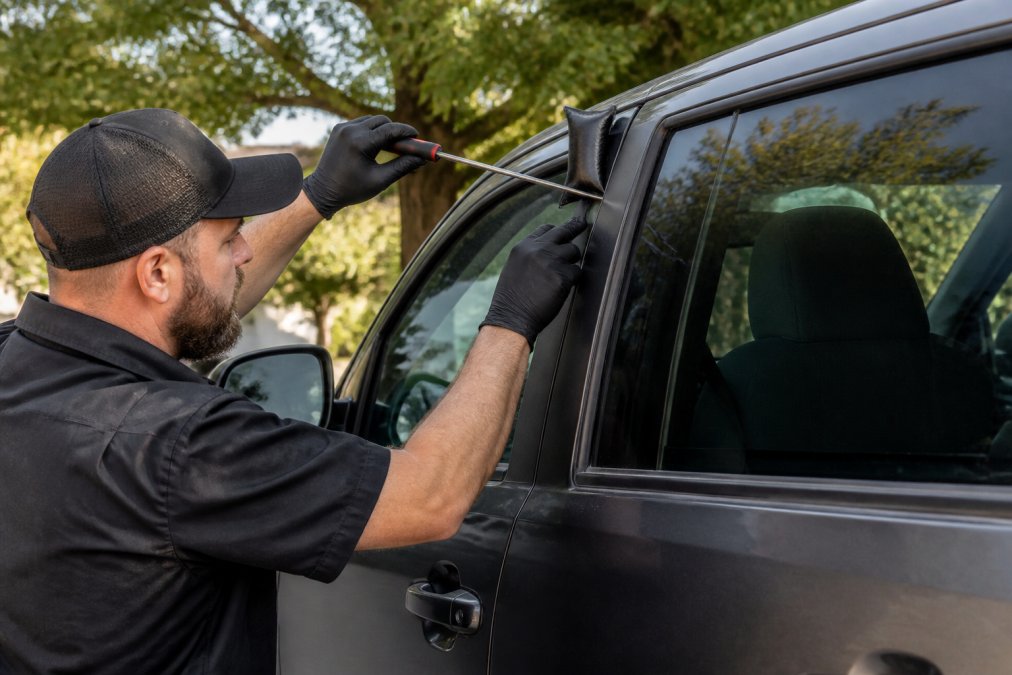
Non-marring tools are designed with soft edges and protective padding to prevent scratches, dents, and paint damage. These include inflatable wedges, plastic shims, and specialized long-reach tools made from rubber or nylon rather than metal.
An inflatable wedge creates a gap between your car door and frame without forcing anything. Long-reach tools or slim jims are thin metal rods with protective coating designed to manipulate your car’s internal lock mechanism from outside.
Avoid using:
- Metal coat hangers or wire
- Screwdrivers or pry bars
- Unpadded tools of any kind
- Anything with sharp edges
These improvised tools almost always cause damage. Scratched paint, bent door frames, and broken interior panels are common results.
Understanding Your Vehicle’s Locking Mechanism
Your car’s lock system uses mechanical linkages: turning your key rotates a cylinder that pulls a rod connected to your door’s latch. Modern vehicles add electrical components like door sensors and immobilizer systems that prevent unauthorized access. Older cars with manual locks are easier to manipulate than newer vehicles with electronic locking systems. A long-reach tool works by finding the internal rod and pulling it upward to release the latch, but electronic systems may trigger alarms or immobilizer features if you apply pressure incorrectly.
Step-by-Step Damage-Free Car Lockout Procedures
If your car has a modern security system or you’re uncomfortable working with tools, professional help is the safer choice. If you proceed, follow these steps to reduce damage risk.
Assessing Your Vehicle Before Attempting Access
Examine your car’s door carefully for existing damage, dents, or paint issues to establish a baseline.
Check what type of lock your car has:
- Manual locks with visible buttons on the door
- Electronic locks with no visible mechanism
- Keyless entry systems
- Combination systems with both manual and electronic components
Try the obvious first. Check all doors, including the trunk. Sometimes a door you didn’t realize was unlocked provides easy access. Test your spare key if you have one nearby.
Check your vehicle’s paint age, door-frame gaps, and weather stripping condition. Older vehicles with worn weather stripping are more forgiving than newer cars with tight seals.
Using an Inflatable Wedge Safely
An inflatable wedge is your safest first option. It creates space between your door and frame without forcing anything. Here’s how to use one correctly:
Position the wedge at the top corner of your door and inflate gradually until you have 2-3 inches of space. Never over-inflate, as excessive pressure can bend your door frame or damage weather stripping. Once you have space, use a long-reach tool to access your lock mechanism, working carefully and slowly. Remove the wedge by deflating gradually to avoid pinching the door or frame.
Deploying a Long-Reach Tool or Slim Jim Correctly
A long-reach tool is a thin, flexible rod designed to manipulate your door’s lock mechanism. Proper technique matters enormously here because this is where most damage happens.
Insert the tool through the gap and feel for the lock rod (usually a vertical metal rod connected to your lock cylinder). Pull it upward gently with light pressure, the latch should release without force. Never pry or apply heavy pressure, as this causes interior damage. If the tool doesn’t work after 2-3 careful attempts, stop and call a professional.
| Technique | Risk Level | Time Required | Damage Potential |
|---|---|---|---|
| Inflatable wedge | Low | 5-10 minutes | Minimal if done carefully |
| Long-reach tool | Medium | 10-15 minutes | High if forced |
| Slim jim (manual locks) | Medium | 5-10 minutes | High if rushed |
| Improvised tools | Very high | Variable | Severe |
Risks of DIY Car Unlocking and When to Stop
The biggest mistake is continuing when something doesn’t feel right. DIY lockout attempts carry hidden risks affecting your vehicle’s warranty, insurance coverage, and long-term reliability.
Paint Damage, Door Frame Misalignment, and Interior Harm
Paint scratches expose bare metal to rust (professional repainting costs several hundred dollars). Door frame misalignment causes wind noise, water leaks, and closing difficulties. Interior damage to trim panels, electrical connectors, and lock rods can disable windows or locks. Repair costs often exceed professional locksmith fees.
Triggering Immobilizer Systems and Alarms
Modern vehicles have security systems that can trigger unexpectedly when you apply pressure to your door or lock mechanism. Immobilizer systems prevent your car from starting if triggered and may require a dealership visit to reset. If your car is less than a decade old, the risk of triggering security systems is real.
Insurance Coverage and Warranty Implications
DIY lockout attempts can affect your vehicle’s insurance coverage and manufacturer warranty in ways many people don’t anticipate.
Most vehicle manufacturers’ warranties exclude damage caused by owner misuse or unauthorized repairs. If you damage your door, lock mechanism, or interior components during a DIY lockout attempt, the manufacturer may deny warranty coverage for repairs to those components. A single DIY lockout attempt could cost you thousands in warranty coverage if subsequent repairs are needed.
Insurance policies typically don’t cover damage you cause yourself through negligence. If you damage your vehicle during a DIY lockout and file a claim, the insurer may investigate and deny coverage, delaying claims processing by weeks. Before attempting DIY access, contact your insurance company to confirm coverage and whether DIY attempts affect your policy. Many insurers offer roadside assistance that includes lockout service at no cost or minimal cost.
Visible damage from a lockout attempt reduces your vehicle’s resale value. Repair history may appear in vehicle history reports, reducing buyer confidence.
Assessing Damage After a DIY Lockout Attempt
Inspect your vehicle for damage: look at the door and frame in direct sunlight for scratches, run your hand along edges to feel rough spots, check weather stripping for pinch marks, and observe door-frame gaps for misalignment. Inside, check trim panels for cracks, look for scratches on interior surfaces, and test all power windows, locks, and electrical features. Listen for wind noise and check for water inside door panels after rain.
When to stop and seek professional help:
- If you see any scratches, dents, or paint damage, stop immediately. Continuing risks making damage worse.
- If you hear unusual sounds (grinding, clicking, or resistance) when manipulating your lock, stop. You may be damaging internal components.
- If your alarm triggers, stop immediately. Continuing risks triggering immobilizer systems that require dealership service.
- If you’ve been working for more than 10 minutes without success, stop. Professional locksmiths can open most vehicles in 15 minutes; if you haven’t succeeded by then, you’re likely using the wrong technique for your vehicle type.
- If you notice any water inside your door after a lockout attempt, you’ve likely damaged the weather stripping or frame. This requires professional repair to prevent rust and interior damage.
Documentation for insurance or warranty claims:
If you caused damage, document it with photos taken in good lighting. Include close-ups of scratches, dents, and misalignment. Save these photos in case you need to file an insurance claim or dispute a warranty denial. Also keep records of any professional assessments or repair quotes, as these establish the damage’s extent and cost.
Emergency Automotive Locksmith Services: When Professional Help Is Essential
You should call a professional locksmith when:
- Your car is newer with electronic locking systems
- Your first attempt caused any visible damage
- You’re uncomfortable working with tools
- You’ve tried for more than 10 minutes without success
- Your car has an alarm system you’re worried about triggering
Professional locksmiths have specialized equipment, training, and insurance. They understand vehicle-specific locking mechanisms and can access your car without damage.
Why Professional Locksmiths Prevent Damage Better Than DIY
A professional locksmith has handled thousands of vehicles. They know the weak points, the common mistakes, and the techniques that work on different makes and models. This experience is worth paying for.
Professional tools are different from what’s available to consumers. Locksmiths use specialized equipment designed for specific vehicle types. They also have backup methods if the first approach isn’t working.
Speed matters too. A professional can open most vehicles in 10-15 minutes. DIY attempts often take longer, increasing the chance of damage or triggering security systems.
Licensed, Bonded, and Insured Protection
When you hire a licensed, bonded, and insured locksmith like BDS Locksmith, you have protection. If something goes wrong, their insurance covers the damage. With DIY, you’re responsible for any damage you cause, and you’re responsible for fixing it yourself.
Licensed locksmiths have met training requirements and passed background checks. They understand local regulations and insurance requirements. This accountability matters when you’re giving someone access to your vehicle.
Bonding means the locksmith has posted a financial guarantee. If they damage your car or behave dishonestly, you have recourse through their bond. This protection doesn’t exist with DIY attempts or uninsured operators.
Cost of Professional Car Lockout Services vs. DIY Damage Repair
The math is simple: professional locksmith services cost less than repairing damage you cause yourself. Professional locksmith services cost less than repairing damage you cause yourself.
If you damage your door’s paint, expect several hundred dollars for professional repainting. If you bend the door frame, you’re looking at more. Interior damage involving electrical components can easily exceed a thousand dollars.
A professional locksmith visit is a one-time, predictable cost. DIY damage is open-ended. You might spend an hour trying to open your door, cause damage you don’t immediately notice, and discover weeks later that your window doesn’t work properly or your door won’t close right.
For current pricing on professional lockout services, visit the BDS Locksmith pricing page or call for a free estimate. Knowing the actual cost beforehand eliminates surprise charges.
Safety Protocols to Prevent Vehicle Damage During Lockout
If you’re going to attempt a damage-free car lockout yourself, follow these protocols strictly. They’re the difference between success and expensive damage.
Protecting Weather Stripping and Door Alignment
Weather stripping is the rubber seal around your door. It keeps rain out and helps your door close quietly. Damage to weather stripping leads to water leaks and wind noise. Replacing it is expensive and requires removing your door panel.
When using an inflatable wedge, position it carefully to avoid pinching the weather stripping. The top corner of your door is safest. Never use the wedge on the bottom edge where weather stripping is thickest.
Door alignment refers to how your door sits in its frame. If you bend the frame even slightly, your door won’t align properly. Check alignment by looking at the gaps between your door and frame. These gaps should be even all the way around. If they’re uneven after you open your door, you’ve caused alignment issues.
Avoiding Pry Pressure That Causes Hidden Damage
Pry pressure is the biggest cause of damage during DIY lockouts. When you push hard on your door or use a tool as a lever, you’re applying force the door wasn’t designed to handle. This causes damage that isn’t always immediately visible.
Bent door panels, cracked interior trim, and damaged electrical connectors often don’t show up until days or weeks later. By then, you’ve forgotten about the lockout and don’t connect the problem to your DIY attempt.
Use light, controlled pressure only. If something requires force, stop. Light pressure should be enough to manipulate your lock mechanism. Anything requiring heavy pressure means you’re doing something wrong.
Work slowly and deliberately. Rushing leads to mistakes. Take 15 minutes to do it right rather than 5 minutes of forcing that causes damage.
Preventative Measures to Avoid Future Lockouts
The best lockout is the one that never happens. Prevention saves time, money, and stress.
Keyless Entry Systems and Backup Key Storage
Modern keyless entry systems eliminate lockout risk almost entirely. If your car supports keyless entry, use it. Most newer vehicles have this feature standard.
Backup key storage is critical. Keep a spare key:
- With a trusted family member or friend nearby
- In a secure lockbox at home
- Never in your car or purse where it gets locked inside with you
Some people keep a spare key in a magnetic lockbox hidden under their car, but this creates security risks. A better approach is keeping a spare at home with someone who can bring it to you if needed.
Roadside Assistance and Emergency Access Plans
Roadside assistance programs like those offered through insurance companies or automotive clubs provide lockout coverage. These programs send help to you, often at no cost or minimal cost. Having this coverage means you’re never stranded.
Emergency access plans include:
- Knowing which family member has your spare key
- Having your car dealership’s contact information
- Understanding your vehicle’s keyless entry options
- Keeping your locksmith’s number saved in your phone
BDS Locksmith offers 24/7 emergency services for situations when you need immediate help. Having a trusted professional’s contact information available means you can get help quickly without searching for a locksmith while stressed.
Common Mistakes to Avoid During a Car Lockout
People make the same mistakes repeatedly during lockouts. Knowing these mistakes helps you avoid them:
Forcing tools. This is the number one mistake. If a tool doesn’t work smoothly, stop. Forcing causes damage.
Using improvised tools. Metal coat hangers, screwdrivers, and similar items scratch paint and damage interiors. They’re not worth the risk.
Ignoring alarm systems. If your car’s alarm starts, stop immediately. Continuing risks triggering immobilizer systems that require dealership service.
Working too quickly. Speed causes mistakes. Take your time and work carefully.
Trying methods designed for different vehicles. Techniques that work on older cars may damage newer vehicles with electronic systems. Know your car’s type before attempting anything.
Not checking all doors and windows. Sometimes another door is unlocked. Check everything before attempting forced entry.
Continuing after minor damage appears. If you see scratches or hear unusual sounds, stop. Minor damage now becomes major damage if you continue.
Getting locked out of your car is frustrating, but attempting DIY access carries real risks. If you’re uncomfortable working with tools, worried about your vehicle’s security systems, or your first attempt isn’t working, professional help is the right choice. BDS Locksmith provides licensed, bonded, and insured lockout services available 24/7. We handle damage-free car lockout access on all vehicle types and can get you back in your car quickly without the risk of expensive repairs. Call (408) 300-4369 for immediate assistance or a free estimate.
Frequently Asked Questions
Can a locksmith unlock a car without damaging it?
Yes. Professional locksmiths use specialized non-marring tools like inflatable wedges and long-reach instruments designed to access locks without harming paint, door frames, or interior components. They understand vehicle locking mechanisms and apply the correct pressure points. DIY attempts with improvised tools often cause paint damage, door misalignment, and interior scratches that cost hundreds to repair.
What are the main risks of DIY car unlocking?
DIY car unlocking risks include paint damage, door frame misalignment, weather stripping tears, and triggering immobilizer systems or alarms. Using improvised tools like screwdrivers or coat hangers can damage the lock rod, mechanical linkage, and automotive interior. Even small mistakes compound into expensive repairs that exceed the cost of hiring a professional locksmith from the start.
How much does professional car lockout service cost compared to fixing DIY damage?
Professional emergency automotive locksmith services typically cost far less than repairing damage caused by DIY attempts. A licensed locksmith’s service fee is usually a fraction of potential repair costs, plus you get the benefit of licensed, bonded, and insured protection.
When should I call a professional locksmith instead of attempting DIY?
Call a professional immediately if your vehicle has keyless entry systems, electronic fobs, or modern immobilizers. If you’re uncertain about your vehicle’s locking mechanism, if you’ve already tried one technique unsuccessfully, or if you’re uncomfortable applying pressure to your door, stop and contact a licensed locksmith. Modern vehicles are more complex, and professional certification ensures authorized access without triggering security systems.