A front door can look secure while the hardware behind it tells a different story. A worn deadbolt, a lock keyed to former tenants, or a short strike plate can turn a small weakness into an easy entry point. This home lock upgrade guide helps San Jose homeowners, renters, and property managers decide what needs attention first and when a professional locksmith is the safer choice.
Start With the Reason for the Upgrade
The right lock upgrade depends on what changed. If you just bought a home, moved into a rental, changed roommates, or took over a property, key control should be the first concern. You may have received every key you know about, but there is no reliable way to know how many copies are still in circulation.
Rekeying is often the practical answer in this situation. A locksmith changes the internal configuration of the existing lock so old keys no longer work, then provides a new key. It is usually less expensive than replacing every lock, provided the hardware is in good condition and you are satisfied with its security level.
Replacement makes more sense when a lock is loose, damaged, difficult to turn, visibly low quality, or incompatible with the door. It is also the better route after a break-in attempt, a lost key paired with an address or identifying information, or a long history of uncontrolled key copies. If someone forced the door, the frame, strike plate, and screws need inspection too. Installing a new lock on a weakened frame does not solve the whole problem.
Choose a Lock That Fits the Door
A stronger lock is only useful when it fits correctly and is installed into solid material. Before choosing hardware, look at whether the door is wood, metal, fiberglass, or glass-adjacent, and whether it opens inward or outward. Check the door thickness and the distance from the edge of the door to the center of the lock hole. These measurements affect which hardware will fit without modification.
For most exterior hinged doors, a quality deadbolt is the foundation of a sensible upgrade. A single-cylinder deadbolt uses a key outside and a thumb turn inside. This is common for homes, but it should not be used where a nearby window or glass panel would let someone reach in and operate the thumb turn.
A double-cylinder deadbolt uses a key on both sides. It can reduce that reach-through risk, but it also creates a fire-safety consideration because occupants need a key to exit. Local building rules and the layout of the door matter here. A locksmith can help identify an option that improves security without creating an unsafe exit route.
Deadbolts are generally a better security choice than a basic keyed knob alone. The knob can still serve as a latch and handle, but the deadbolt should be the lock you depend on for exterior door security. For a side door, garage-to-home door, or door from a shared space, the same principle applies.
Do not overlook the strike plate
Many forced-entry attempts target the door frame rather than the lock cylinder. The strike plate is the metal piece on the frame where the bolt extends. A thin plate held by short screws offers far less resistance than a reinforced strike plate secured with long screws that reach the wall framing.
This is one of the most valuable upgrades for a standard door because it improves the system around the lock. The deadbolt, strike, screws, hinges, door, and frame work together. Spending heavily on a premium deadbolt while leaving weak hardware on the frame can create a false sense of security.
Mechanical Locks, Smart Locks, and High-Security Options
There is no one best lock for every Bay Area home. The right choice depends on how many people need access, how often access changes, and how much you value physical key control versus app-based convenience.
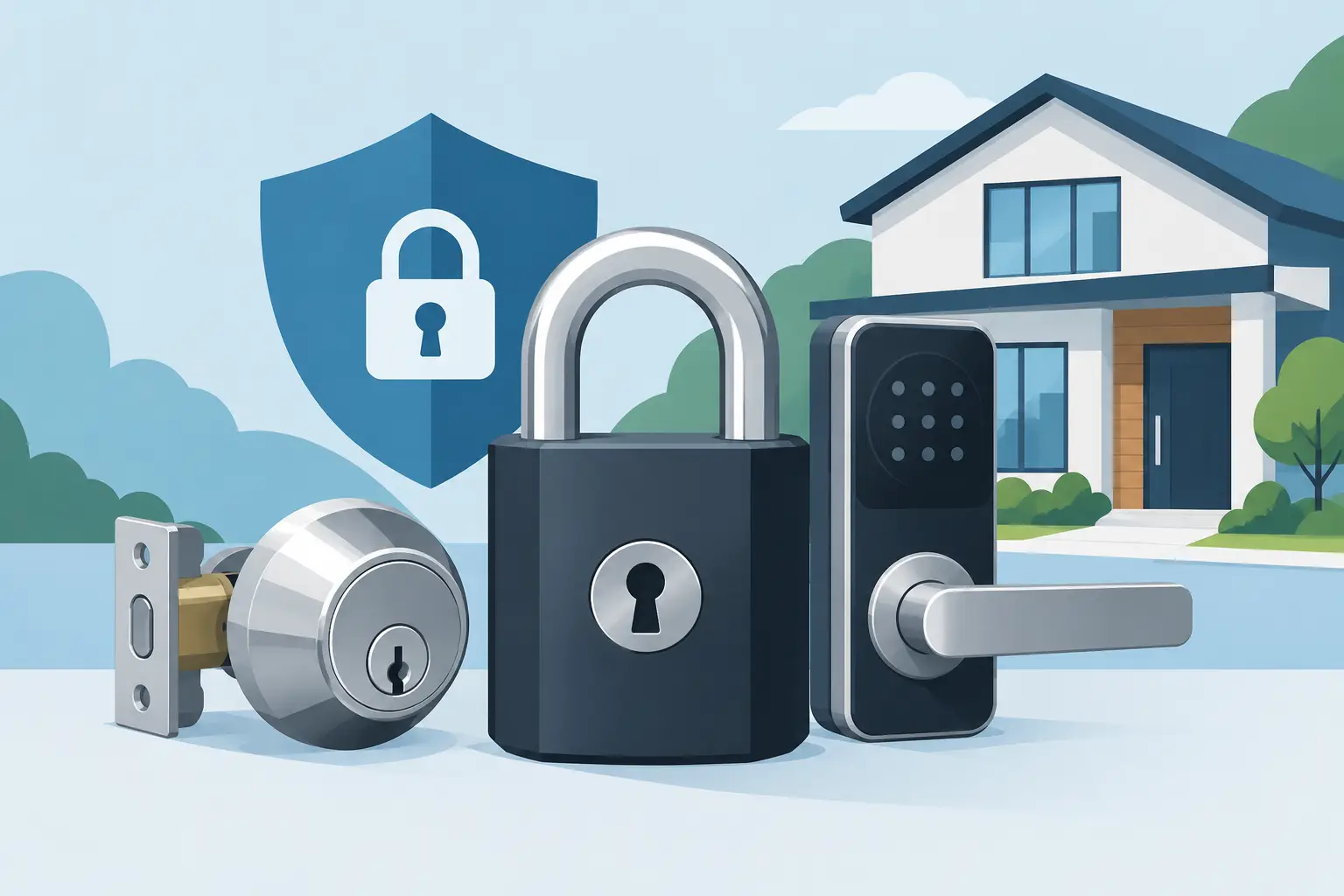
A traditional mechanical deadbolt is straightforward, dependable, and does not rely on batteries or Wi-Fi. It is a strong fit for homeowners who want familiar hardware and renters who need a simple, landlord-approved improvement. Its limitation is key management. If keys are lost or not returned, the lock should be rekeyed or replaced.
A smart lock can be useful for busy households, short-term access needs, and property managers. Many models allow temporary codes for guests, cleaners, or contractors, which means you can remove access without collecting a physical key. However, smart locks need battery maintenance, correct setup, and a reliable plan for emergencies. Choose one with a mechanical key override, and avoid sharing permanent codes casually.
High-security lock systems can offer stronger resistance to picking and drilling, along with restricted keys that are harder to duplicate without authorization. They are worth considering for homes with valuable equipment, recurring contractor traffic, or a history of key-control issues. They cost more than standard hardware, so they are most useful when the additional key control and cylinder protection address a real risk.
A Practical Home Lock Upgrade Guide by Priority
If you are working within a budget, address the areas that produce the biggest improvement first. Begin with exterior doors that are used daily, especially the front, side, and garage entry doors. Then review doors leading from attached garages, gates that protect access to the home, and any door with glass close to the lock.
A sensible order of work is to rekey or replace locks after a move, install a quality deadbolt where one is missing, reinforce the strike plate and frame, and repair any loose hinges or damaged door alignment. Finally, consider smart access or high-security cylinders where they make daily management easier.
Pay attention to warning signs that call for prompt service. A key that sticks, a deadbolt that requires lifting or pushing the door to lock, a loose cylinder, or a latch that does not fully engage can signal a fit or hardware problem. Do not force a key or keep using a lock that feels unreliable. A broken key inside the cylinder or a failed lock at night can quickly become a lockout.
Key Control Is Part of Home Security
New hardware does not help much if keys are handed out without a plan. Keep a clear record of who has access, especially after renovations, house sitting, tenant turnover, or family changes. Avoid hiding spare keys under mats, planters, or obvious outdoor fixtures. Those locations are familiar to anyone looking for an easy entry point.
A better approach is to leave a spare with a trusted person nearby or use a controlled smart-lock code for approved visitors. If you keep an emergency key on the property, use a secure solution and remember that it is still a potential point of compromise. The decision depends on your home’s layout and how likely you are to need emergency access.
For landlords and property managers, rekeying between occupants is one of the clearest ways to protect the next resident and reduce uncertainty. Consider keying compatible locks alike so one key works across approved exterior doors. This adds convenience without sacrificing the benefit of fresh key control.
When Professional Installation Is Worth It
Changing a basic lock can look simple, but door hardware is less forgiving than it seems. A lock that is slightly misaligned may bind, wear out early, or fail when you need it most. Older homes can have shifted frames, nonstandard door preparation, damaged wood, or hardware that was installed incorrectly years ago.
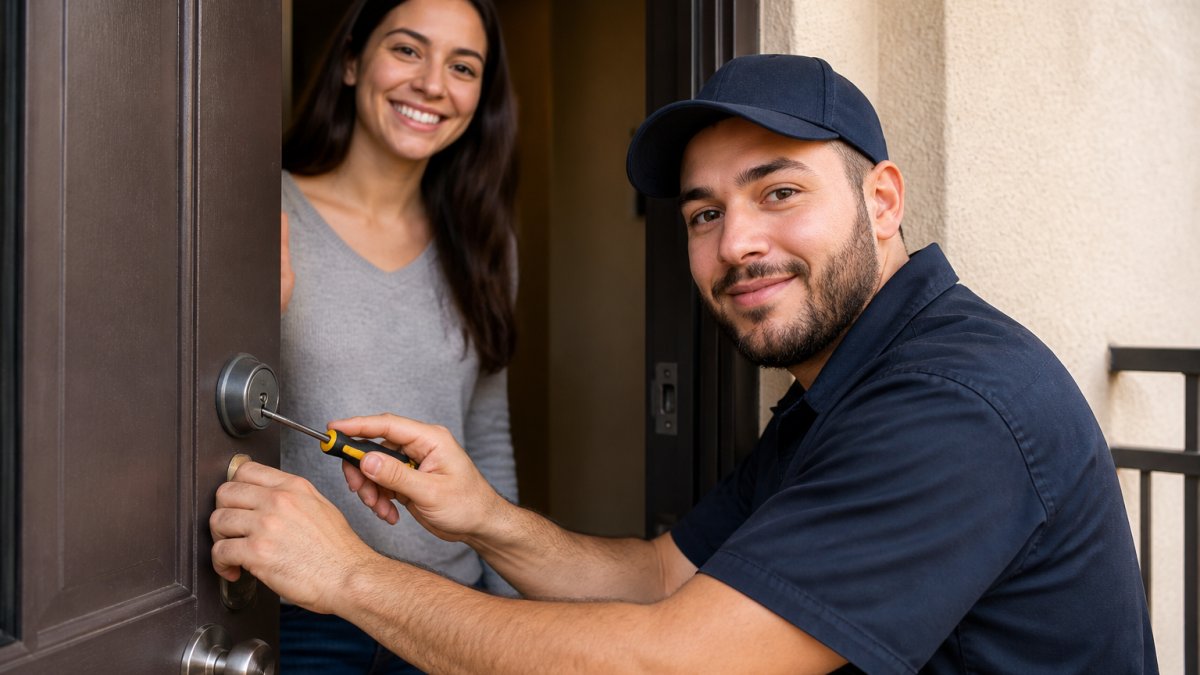
Professional installation is especially worthwhile when adding a deadbolt to a door that does not have one, repairing a frame after forced entry, installing a smart lock, upgrading several doors to one key system, or selecting high-security hardware. A licensed, bonded, and insured mobile locksmith can assess the door on site, explain the options clearly, and make sure the bolt and strike align correctly.
BDS Locksmith provides mobile residential lock service across San Jose and the South Bay, including rekeying, deadbolt installation, lock replacement, and emergency support. Before work begins, ask for a clear estimate and confirm whether the service includes the hardware, labor, keys, and any needed door or strike adjustments. Transparent pricing matters as much as dependable workmanship.
A home lock upgrade does not need to happen all at once. Start with the doors that protect daily entry, remove uncertainty around old keys, and fix the frame as carefully as the lock itself. Those practical steps can make coming home feel safer without turning a straightforward security improvement into a stressful project.