A sticky deadbolt, a lost house key, or a lock that no longer feels secure can turn an ordinary day into a real concern. Door locks are simple to use, but deciding whether to rekey, repair, or replace them is not always simple. The right choice depends on what happened, the condition of the hardware, and how much security you need at your property.
For San Jose homeowners, renters, property managers, and business owners, the priority is usually clear: restore access quickly and make sure the people who should not have keys no longer do. A professional mobile locksmith can evaluate the lock at your location and provide a straightforward recommendation before work begins.
When Door Locks Should Be Rekeyed
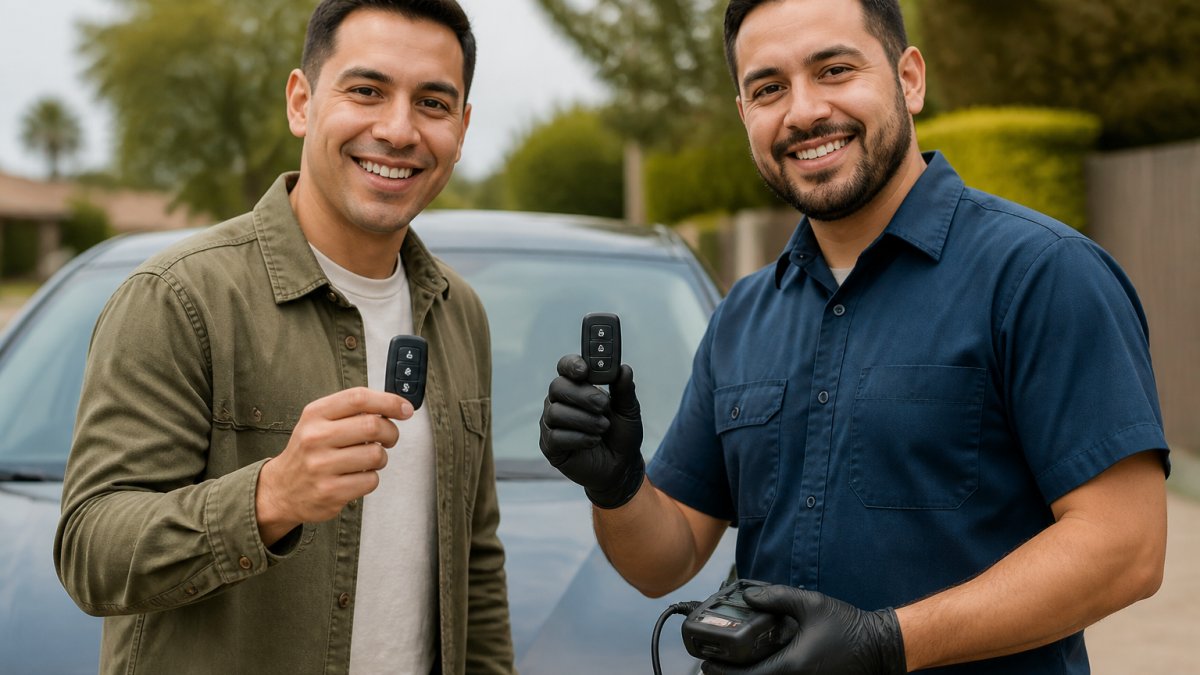
Rekeying changes the internal pins inside an existing lock so it works with a new key. The exterior hardware stays in place, but old keys stop working. It is often the most practical option when your locks are in good working condition and you simply need control over who has access.
Rekeying makes sense after moving into a home, ending a tenancy, losing a set of keys, or changing employees with access to an office, storage room, or storefront. It is also a smart step after a contractor, dog walker, cleaner, or former roommate has had a key for an extended period. You may know every key was returned, but you cannot know whether one was copied.
For many properties, rekeying is faster and more cost-effective than replacing every lock. It can also allow multiple exterior doors to work with one key when the lock brands and keyways are compatible. That is convenient, especially when you are managing several doors, but it should not come at the expense of security. A locksmith should inspect each lock first to confirm it is worth keeping.
Rekeying is not a repair
A rekeyed lock will prevent an old key from opening the door. It will not fix a deadbolt that binds, a loose handle, a damaged strike plate, or a lock that has been forced. If the hardware is worn out or compromised, replacement may be the safer decision.
Signs It Is Time to Repair or Replace a Lock
Locks usually give warning signs before they fail completely. A key that must be jiggled, a latch that does not line up with the strike, or a deadbolt that takes two hands to turn should be checked before it becomes a lockout.
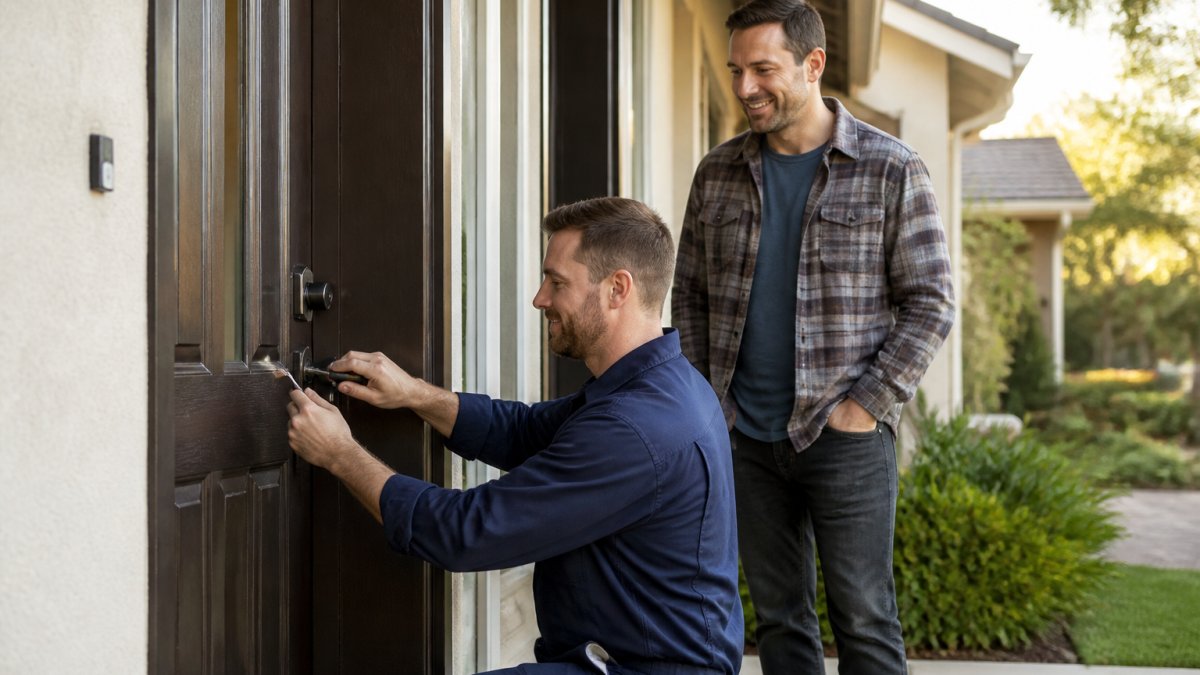
Sometimes the fix is modest. Door alignment can shift because of weather, settling, loose hinges, or worn hardware. A locksmith may be able to adjust the strike plate, tighten the lockset, lubricate the right internal components, or replace a small part. Avoid forcing the key or spraying an all-purpose oil into the cylinder. That can attract dirt, damage components, and turn a repairable issue into a broken-key extraction call.
Replacement is usually the better option when the lock has been drilled, pried, severely corroded, or repeatedly repaired. It is also worth replacing locks that use outdated keyways or provide little resistance to common forced-entry methods. If a door was damaged during a break-in attempt, the frame, strike plate, hinges, and door condition matter as much as the cylinder itself.
For a business, replace locks promptly if keys were stolen, access control has changed, or an employee with unrestricted access leaves under difficult circumstances. Waiting for a problem can cost more than addressing the vulnerability immediately.
Choosing Door Locks for the Right Door
Not every door needs the same hardware. A front entry door, garage entry door, side gate, office suite, and interior storage room each present different security and convenience needs.
For most exterior residential doors, a quality deadbolt paired with a properly installed strike plate is a strong foundation. The door and frame must be solid enough to support it. A high-quality lock installed poorly can still leave weak points, while a good installation helps the lock perform as intended.
Commercial properties often need a different approach. High-traffic doors may benefit from commercial-grade hardware designed for repeated use. Offices may need restricted key systems, master keying, panic hardware, or a plan that gives managers access while limiting access to certain rooms. The best choice depends on who enters, how often they enter, and what needs protection.
Smart locks can be useful for busy households, vacation properties, and small businesses. They can reduce the need to distribute physical keys and may allow codes to be changed when access changes. The trade-off is that batteries, connectivity, installation quality, and user setup all matter. A smart lock should still have a dependable mechanical backup plan, particularly for a primary entry door.
Security upgrades that matter beyond the lock
A lock is one part of the entry system. A weak door jamb, short strike-plate screws, damaged frame, or exposed hinges can reduce the benefit of a new deadbolt. During a security upgrade, ask for the entire opening to be assessed.
Good lighting, a visible address, properly closing gates, and controlled key distribution also make a meaningful difference. For commercial spaces, keep a current record of who has keys and collect them promptly when roles change. These steps are simple, but they prevent many avoidable security gaps.
What to Do After a Lockout or Lost Key
If you are locked out, stay calm and avoid trying to force the door. Credit cards, wire tools, and improvised picks can damage the lock, weather stripping, or frame. Breaking a window may create a bigger safety and repair issue than the lockout itself.
If a key is lost but you still have access, decide whether the key could be connected to your address. A key lost near your home, with identifying information, or during a theft should be treated as a security concern. Rekeying the affected doors promptly is often the right call.
If the key breaks inside the lock, do not push it farther in with another key or a screwdriver. Broken key extraction requires the right tools and a careful approach. Once the piece is removed, the lock should be checked for internal damage before you rely on it again.
BDS Locksmith provides mobile locksmith service for urgent lockouts, rekeying, lock repair, and replacement at homes and businesses throughout San Jose and the South Bay. On-site service can save time when a damaged lock, missing key, or access problem needs attention without delay.
Questions to Ask Before Approving Locksmith Work
Price clarity matters, especially when you are dealing with an urgent situation. Before work begins, ask what the service call includes, whether the lock can be repaired, what replacement options are available, and whether parts and labor are covered by a warranty. A professional locksmith should explain the practical difference between options instead of pressuring you into the highest-priced hardware.
You should also ask whether the technician is licensed, bonded, and insured where required, and request an estimate before authorizing work. If you are a tenant, check your lease or contact your property manager before changing exterior locks. Many landlords require a copy of the new key or have specific rules about approved hardware.
For businesses, consider the future as well as the immediate fix. A replacement lock may solve today’s problem, but a rekeying schedule, restricted key system, or master key plan may make future access changes easier to manage.
A Practical Rule for Making the Call
Rekey a lock when it works well but key control has changed. Repair it when the issue is limited and the hardware remains dependable. Replace it when the lock is damaged, outdated, unreliable, or no longer suitable for the door it protects.
If you are unsure, do not wait until a sticking lock becomes a late-night lockout or a lost key becomes a larger security concern. Having a qualified locksmith inspect the door while the problem is still manageable gives you more choices, clearer pricing, and a safer way to move forward.