A missing house key at 10 p.m., an employee who never returned a key, or a rental turnover can turn into a security problem fast. Smart locks give property owners more control over who can enter and when, without relying only on physical keys. But the right setup matters. A poorly chosen or incorrectly installed lock can create new frustrations when you need dependable access most.
For San Jose homeowners, renters, and business owners, a smart lock should make daily access easier while keeping the door secure during a power outage, phone problem, or unexpected lockout. The goal is not to replace common sense or a quality deadbolt. It is to add practical control to a door that already has a solid mechanical foundation.
What Smart Locks Can and Cannot Do
A smart lock is an electronic door lock that can be controlled through a keypad, phone app, key fob, fingerprint reader, or connected home system. Many models also retain a traditional keyway, while others rely on a keypad and emergency power connection. Depending on the model, you can lock or check the door remotely, receive activity alerts, and issue temporary access codes.
This is especially useful when a dog walker, cleaner, contractor, family member, or new employee needs limited access. Rather than making copies of a key that may never come back, you can create a code for a specific person and remove it when the job ends. For small businesses and rental properties, that level of control can save time during staff changes and move-outs.
Still, smart locks do not make a weak door secure. A lock cannot compensate for a loose strike plate, a damaged frame, short screws, warped alignment, or a low-quality deadbolt. A determined intruder often attacks the door and frame before attacking the lock itself. Before investing in electronic features, make sure the physical hardware and installation are strong.
Smart locks can also have limits. Remote features may depend on Wi-Fi, a bridge device, a subscription, or a compatible smart-home platform. Batteries need replacement. Some models work well for a front door but are not rated for gates, exterior side doors, or high-traffic commercial entrances. The best choice depends on the door, the users, and how much access control you actually need.
Choosing Smart Locks for Your Property
Start with the lock type already on your door. Many residential smart locks replace only the interior thumb-turn portion of an existing deadbolt. These retrofit models can be a practical choice if you want app control while keeping the exterior hardware and key. Full replacement models generally provide a keypad, keypad-and-key option, or fingerprint entry at the exterior side of the door.
For most homes, a smart deadbolt with a physical key backup and keypad offers a dependable balance. The keypad helps when a phone battery dies or a family member does not have app access. A key backup gives you another entry option, but it should be managed carefully. If keys have been lost or copied over time, rekeying or replacing the mechanical cylinder may be the wiser move.
For businesses, consider how many people use the door and how often. A single office with a few employees may only need unique keypad codes and a record of access events. A busy storefront, warehouse, or multi-suite property may need commercial-grade hardware, a door closer, stronger access management, and an emergency exit solution that meets applicable safety requirements. Consumer-grade smart locks are not automatically the right fit for every commercial door.
Compatibility deserves attention before purchase. Measure the door thickness and backset, check whether the deadbolt is separate from the handle, and look at the door alignment. If the bolt already sticks or requires you to lift, pull, or push the door to lock it, correct that issue first. An electronic motor will not reliably operate a binding deadbolt for long.
Features That Matter More Than Marketing
Remote control is convenient, but reliable local access should come first. Choose a lock that lets authorized users enter by keypad or key even if the internet is down. If the lock uses Bluetooth, test the expected range around your entry. If it uses Wi-Fi, confirm that your home network reaches the door without repeated connection drops.
Battery information is another practical factor. Most smart locks run on standard replaceable batteries and provide low-battery warnings through the keypad, app, or both. Do not ignore those alerts. Replace batteries before they are depleted, use the battery type recommended by the manufacturer, and avoid mixing old and new batteries. Keep the emergency power instructions somewhere accessible, not inside the locked house.
Access codes should be simple to manage but difficult to guess. Avoid birthdays, addresses, repeated numbers, and codes shared by everyone in the household. Give each regular user a separate code. That makes it easier to remove access for one person without resetting the entire lock. For service providers, use a temporary code that expires after a set date or time.
Activity logs can be useful, but they are not a substitute for security judgment. They can show that a code was used, yet they cannot tell you whether the person using it was authorized at that moment. Treat notifications as an added layer of visibility, not a replacement for strong locks, good lighting, and careful key control.
Smart Lock Installation Is About the Door, Too
Many smart locks are designed for do-it-yourself installation, but a smooth installation depends on accurate alignment. The deadbolt should extend and retract freely with the door open and closed. The strike plate should sit securely in the frame, and the bolt should fully enter the opening without scraping or catching. If the door needs to be forced to lock, stop and address the alignment issue.
During setup, change the default administrator code immediately. Create individual user codes, enable the security settings you will actually use, and remove any old owner or installer access if the lock was previously configured. If remote access is enabled, use a strong account password and turn on multi-factor authentication when the manufacturer offers it.
After installation, test every method of entry while standing outside: keypad, physical key if included, app, and any backup procedure. Test the lock with the door closed as well as open. Make sure every household member knows how the lock works, including children old enough to use it responsibly. Convenience disappears quickly if only one person understands the system.
For a rental, check your lease before changing exterior locks. Landlords and property managers may have rules about approved hardware, master-key systems, or emergency access. Property owners should also consider who is responsible for battery changes, code management, and service calls before installing smart hardware across multiple units.
When a Locksmith Is the Better Choice
A professional locksmith can help when the door hardware is damaged, the bolt does not align, the existing lock needs rekeying, or you want a smart lock installed with a higher-security deadbolt. This is also a smart call when you have moved into a property with unknown key history. Adding electronic access to a lock that former tenants, workers, or owners may still have keys for does not solve the underlying risk.
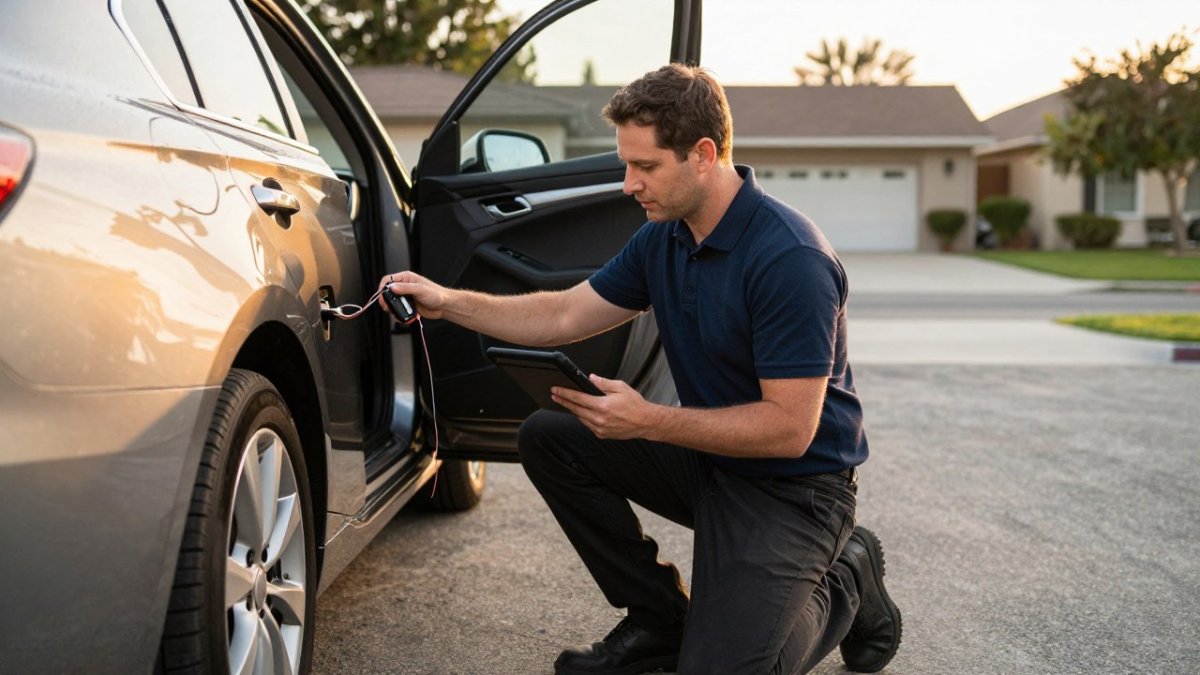
Mobile locksmith service is particularly helpful when a lock fails while you are outside, a keypad will not respond, or a key breaks in the cylinder. A trained technician can assess whether the issue is batteries, programming, mechanical wear, a damaged cylinder, or door alignment. The answer is not always full lock replacement, and clear pricing before work begins helps you make the right decision.
BDS Locksmith provides on-site lock service for homes and businesses throughout San Jose and the South Bay, including smart lock installation, lock replacement, rekeying, and emergency access help. Licensed, bonded, and insured service gives customers a dependable option when a door needs more than a quick app reset.
A smart lock works best when it supports a well-secured door and a simple access plan. Choose hardware that fits your property, keep a reliable backup entry method, and address mechanical problems early. That preparation can make the difference between a convenient upgrade and a late-night access emergency.