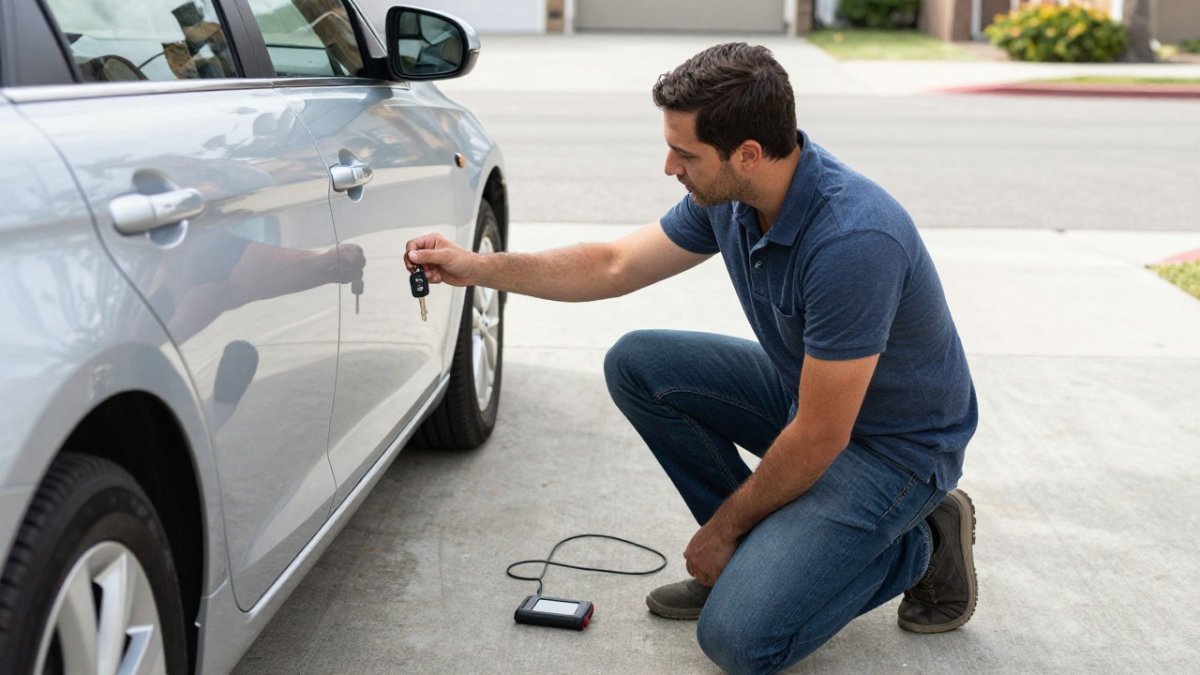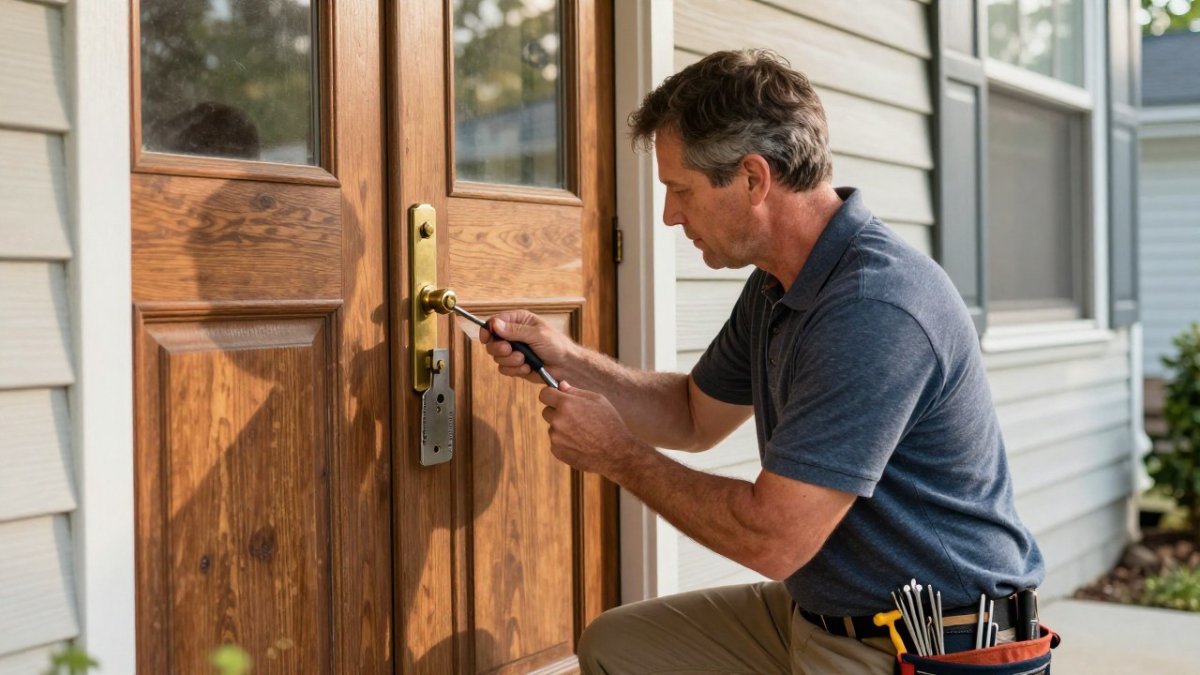
A car ignition problem rarely happens at a convenient time. You may be sitting in a San Jose parking lot after work, outside your home before an appointment, or at a gas station with a key that suddenly will not turn. The good news is that many ignition issues can be diagnosed and handled where the vehicle is parked, without arranging a tow or waiting days for a repair shop.
The key is knowing what is actually failing. A key that will not turn, a vehicle that will not start, and a key stuck in the ignition can feel like the same problem, but they can have very different causes. Forcing the key or repeatedly trying to start the car can turn a manageable repair into a broken key extraction or a more expensive ignition replacement.
What Your Car Ignition Actually Does
People often use the word “ignition” to describe the entire starting system. In practice, there are two main parts that may be involved. The ignition lock cylinder is the mechanical part where you insert and turn a traditional key. The ignition switch is the electrical component that sends power to the vehicle’s accessories, dashboard, and starter.
If the key will not insert, turn, or come out, the lock cylinder, key, steering wheel lock, or a worn key is often the issue. If the key turns normally but the dashboard stays dark or the engine does not crank, the problem may be electrical, such as the ignition switch, battery, starter, wiring, or a vehicle security system.
Modern vehicles add another layer. Transponder keys, smart keys, push-button start systems, and immobilizers must recognize the correct programmed key before the vehicle can start. That means a working metal key alone may not solve the problem.
Common Car Ignition Warning Signs
Ignitions usually give drivers warning signs before they fail completely. Paying attention early may help you avoid being stranded in an inconvenient or unsafe location.
A key that sticks or requires jiggling to turn is one of the most common signs of wear. The pins inside the lock cylinder can wear down over time, especially if the ignition key is carrying a heavy key ring. A worn key blade can create the same symptoms because it no longer aligns cleanly with the cylinder’s internal pins.
Another warning sign is a key that turns but does not start the vehicle consistently. You may get accessory power sometimes, then nothing the next time. If the dash lights flicker, the key position feels loose, or the vehicle shuts off while driving, do not assume it is only a key problem. These symptoms can point to an electrical ignition switch issue or another mechanical problem that should be inspected promptly.
A key that is stuck in the ignition also deserves attention. In automatic vehicles, the shifter may not be fully in Park, the shift interlock may be malfunctioning, or the key cylinder itself may be worn. Avoid pulling hard on the key. It can bend, snap, or damage the cylinder further.
Symptoms That Often Point to the Key or Cylinder
If the key will not turn at all, try moving the steering wheel gently left and right while applying light turning pressure to the key. A locked steering wheel can place tension on the ignition cylinder and prevent normal movement. This is common when the front wheels were turned as the vehicle was parked.
If that does not work, stop applying pressure. A bent, worn, or copied key may be the issue. A locksmith can inspect the key, cut a properly matched replacement when appropriate, and determine whether the lock cylinder needs repair or replacement.
Symptoms That May Be Electrical
When the key turns freely but nothing happens, check the basics first. Are the interior lights or dashboard lights working? Is the battery weak? Does the vehicle make a click, crank slowly, or remain completely silent? Those details help separate an ignition issue from a battery, starter, alternator, fuse, or security-system problem.
An automotive locksmith can help with keys, cylinders, programming, and many ignition-related access problems. However, certain electrical or engine concerns may require an auto mechanic or dealership. A dependable service provider should be honest about that distinction rather than replacing parts that do not address the real issue.
What to Do When Your Car Ignition Will Not Turn
Start with the safest, least forceful checks. Confirm that you are using the correct key and that it is not visibly bent, cracked, or heavily worn. If you have a spare key, try it once. A spare that turns normally is a strong clue that the original key is worn or damaged.
Next, make sure the vehicle is fully in Park or Neutral. Hold the brake pedal, move the steering wheel gently in both directions, and try turning the key with light pressure. Do not use pliers, screwdrivers, lubricants not designed for locks, or excessive force. Household oils and sprays can collect dirt inside the cylinder and make the problem worse over time.
If the key still will not turn, or if it is stuck, it is time to call for professional help. A mobile locksmith can come to the vehicle, assess the key and cylinder, and explain the available options before work begins. That is often faster and less stressful than towing a vehicle simply because the key will not move.
Repair or Replacement: Which Car Ignition Service Is Needed?
The right repair depends on the vehicle, the type of failure, and the condition of the existing key. In some cases, a new key cut to the vehicle’s correct specifications is enough. This can be especially true when a copied key has worn down or when the original key is no longer operating smoothly.
If the lock cylinder has internal damage or excessive wear, ignition repair or replacement may be necessary. A locksmith may be able to rekey a replacement cylinder so it works with your existing door key, depending on the vehicle and available parts. This is a useful option because it can prevent you from carrying one key for the doors and another for the ignition.
For transponder and smart-key vehicles, replacement may also involve programming. The vehicle must recognize the new key’s chip or remote before it will start. Programming requirements vary widely by make, model, and year, so the exact service and cost depend on the vehicle.
There is a trade-off between the fastest available part and preserving one-key convenience. In an urgent situation, getting the vehicle safely operable may be the priority. When time allows, ask whether the replacement can be keyed to match your doors and whether programming is included in the estimate.
Why Mobile Ignition Help Makes a Difference
A failed ignition does more than keep a car from starting. It can leave you unable to move the vehicle, lock it properly, or retrieve a key trapped in the cylinder. Mobile service brings the diagnostic tools, key-cutting equipment, and programming capability to your location, whether you are at home, work, or stranded elsewhere in the South Bay.
BDS Locksmith provides on-site automotive locksmith service with clear communication about what the technician finds and what repair is appropriate. A professional should verify the vehicle information and ownership, protect the vehicle during service, and provide pricing before proceeding whenever the situation allows.
Mobile help is particularly useful when towing would add time and cost without solving the access issue. Still, it depends on the problem. If testing shows a failed starter, battery, or deeper electrical fault, a mechanic may be the next best call. Accurate diagnosis matters more than treating every no-start condition as an ignition replacement.
How to Help Your Ignition Last Longer
Small habits can reduce wear on traditional ignition cylinders. Keep heavy key rings to a minimum, since their weight can stress the cylinder while the vehicle is moving. Replace a key that is bent, cracked, or becoming difficult to turn instead of waiting for it to fail inside the ignition.
Use a properly cut key rather than relying on a worn copy. If your vehicle has a transponder key or smart key, keep a tested spare in a safe place away from the vehicle. A spare can save significant time when the main key is lost, damaged, or locked inside.
Most importantly, treat resistance as a warning, not a challenge. When a key begins sticking, address it before the car ignition leaves you stranded. A prompt inspection can protect your key, your schedule, and your vehicle from a much bigger interruption.