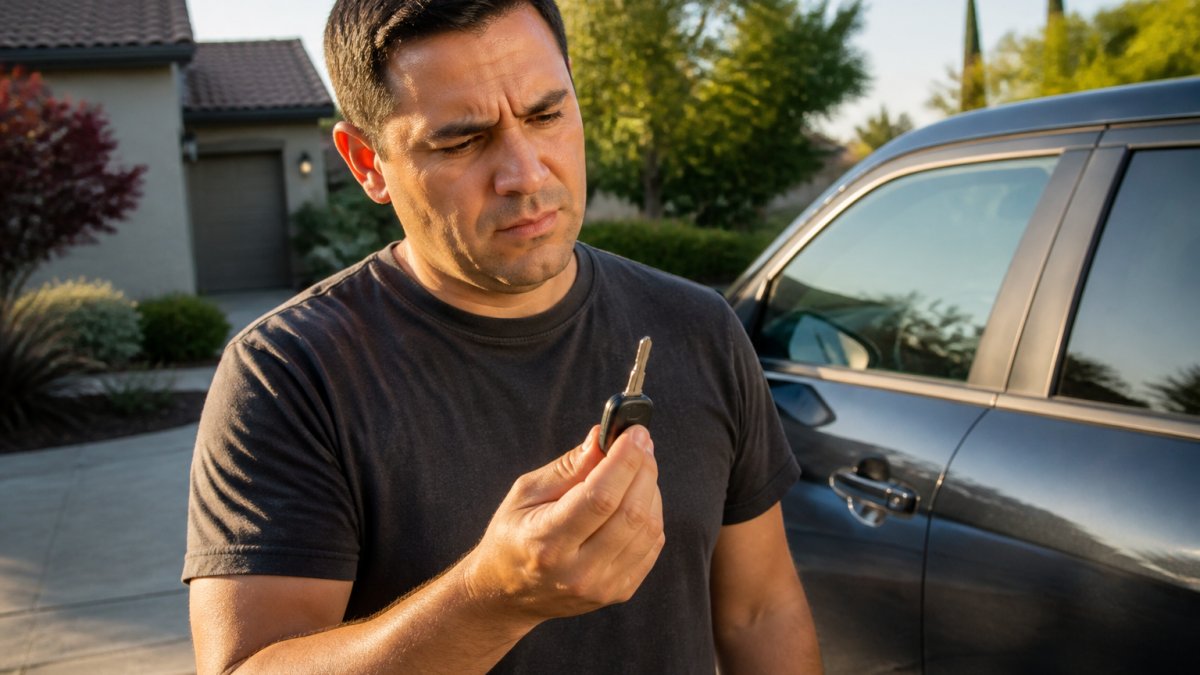
A spare key feels unnecessary until the original is locked inside the car, disappears at work, or stops responding in a parking lot. If you need to program a spare car key, the right method depends on the vehicle, the type of key, and whether you still have a working key in hand. Some older models allow a limited do-it-yourself process. Many modern vehicles require professional programming equipment and a key that matches the car exactly.
The good news is that you do not need to wait for an emergency to get it handled. A mobile automotive locksmith can come to your home, office, or vehicle location, cut the key, program it, and test it before leaving.
Why a Spare Key Needs More Than a Copy
A basic metal key can be copied from an existing key blade, but that does not mean it will start your vehicle. Most cars made over the last two decades use an immobilizer system. Inside the key, fob, or smart key is an electronic chip that must be recognized by the vehicle before the engine will run.
This is why a newly cut key may turn in the ignition but still fail to start the car. The mechanical portion opens the door and operates the ignition cylinder, while the electronic portion communicates with the vehicle’s security system. Both parts need to work.
For push-button-start vehicles, the process can be even more specific. A proximity smart key may need to be paired with the car’s computer so it can unlock the doors, authorize the start button, and operate remote functions. Buying a fob that looks like yours is not a guarantee it can be programmed to your vehicle.
Identify the Type of Car Key You Have
Before deciding whether you can handle programming yourself, identify what you are working with. The vehicle’s year, make, and model matter, but the key style matters too.
A traditional metal key has no remote buttons and may or may not contain a transponder chip. A transponder key usually has a molded plastic head with a hidden chip inside. A remote-head key combines a key blade and remote buttons in one unit. A key fob or smart key is common on newer vehicles with keyless entry and push-button start.
Two keys that appear identical can use different frequencies, chips, and programming systems. That is why the vehicle identification number, key code information, and an existing working key can all be useful when ordering or programming a spare. A locksmith can verify compatibility before cutting or programming a replacement.
Can You Program a Spare Car Key Yourself?
Sometimes, but only when the vehicle manufacturer supports an onboard programming procedure. Certain older vehicles let owners add a key by inserting an existing programmed key, following a sequence with the ignition, and then introducing the new key. The exact steps vary by manufacturer and model.
If your owner’s manual includes a clear spare-key programming procedure, you have the correct blank, and you already have the required number of working keys, a DIY option may be reasonable. Follow the instructions exactly. Repeated failed attempts can waste time, and on some vehicles, incorrect procedures may trigger a security lockout period.
DIY programming becomes less practical when you have only one key, no working keys, a push-button-start vehicle, or a European luxury model. It is also a poor choice when the replacement fob came from an unknown source. Used keys may be locked to another vehicle, damaged internally, or incompatible despite having the same shape and buttons.
A low-priced blank can become expensive if it cannot be returned, cannot be programmed, or fails after a few weeks. For a spare you may depend on during a lockout, reliability matters more than a small upfront savings.
When Professional Key Programming Is the Better Choice
Professional programming is usually the faster route for newer vehicles and all-keys-lost situations. Automotive locksmiths use diagnostic tools designed to communicate with the vehicle’s immobilizer system. Depending on the car, the technician may program the key through the diagnostic port, retrieve security information, or perform a manufacturer-specific procedure.
The process is not just about making the vehicle start. A properly completed job includes checking the key blade, door locks, remote buttons, trunk release, panic button, and proximity functions when applicable. If the original key still works, it should also be tested afterward to confirm it remains active.
Mobile service is especially useful because there is no need to tow a vehicle to a dealership or arrange transportation while you wait. BDS Locksmith can provide on-site automotive key service across San Jose and the South Bay, with a clear estimate before work begins.
What to Have Ready Before the Appointment
A locksmith will need to confirm that you are authorized to have a key made for the vehicle. Have your photo ID and vehicle registration, title, or other proof of ownership available. If the registration is not in your name, explain the situation before service begins so there are no surprises.
It also helps to share the vehicle’s year, make, model, and whether it has an ignition key or push-button start. Mention whether you have one working key, no working keys, or a key that works only sometimes. A key that intermittently fails may point to a weak fob battery, worn buttons, a damaged transponder, or a vehicle-side issue rather than a simple programming problem.
If you have a spare blank or fob already, let the locksmith know. It may be usable, but it needs to be inspected for the correct part number and chip type before anyone attempts programming.
Cost Depends on the Key and Vehicle
There is no honest one-price answer for every spare car key. A basic metal duplicate is generally less involved than a chipped transponder key. A remote-head key, smart key, or proximity fob requires more specialized equipment and may involve a higher-cost key unit.
The condition of the situation also affects the price. Adding a spare when you have a working original is usually simpler than creating a key when every key is lost. Vehicle make, model, year, key availability, and programming method all matter.
Ask for a free estimate based on your vehicle details before approving the work. Transparent pricing should explain what is included, such as the key or fob, cutting, programming, and testing. Be cautious with quotes that sound unusually low but do not specify the final service scope.
Keep the Spare Useful and Secure
Once your spare is programmed, do not leave it permanently inside the vehicle or hide it under the bumper. Those common hiding spots are easy for thieves to find, and a stolen spare can create a larger security problem.
Keep one spare in a secure place at home, or give it to a trusted family member who can reach you when needed. If your vehicle uses a smart key, check the battery every year or when the range starts getting shorter. A dead fob battery is not always an emergency, but it can look like a programming failure when it is not.
If a key has been stolen, do not simply make another copy. Ask whether the missing key can be removed from the vehicle’s memory. Deleting lost or stolen keys prevents someone who finds the original from using it to start the car later.
Common Questions About Spare Car Key Programming
Will a hardware-store copy start my car?
It may unlock the door, but it may not start the engine if your vehicle uses a transponder chip or smart-key system. A cut blade and an electronically programmed key are different things.
Can a locksmith program a key without the original?
In many cases, yes. The process is more involved and depends on the vehicle, but a qualified automotive locksmith can often create and program a replacement even when no working key remains.
Does programming erase my original key?
Normally, adding a properly programmed spare does not erase an existing working key. However, some vehicles require all keys to be present during programming. A technician should explain the process before starting and test every available key afterward.
How long does spare-key programming take?
It depends on the vehicle and key type. Straightforward jobs can often be completed during one mobile service visit, while certain high-security, smart-key, or all-keys-lost jobs take longer because of the programming process and key availability.
A spare key is one of the simplest ways to avoid a stressful lockout, missed appointment, or expensive tow. Getting it made while your original still works gives you more options, less urgency, and a dependable backup when you need it most.