A stolen key ring is not just a missing item. It may give someone direct access to your vehicle, home, office, mailbox, storage unit, or all of them. The right way to protect keys after theft is to act quickly, but not blindly. Start by identifying what was taken, reduce immediate risks, and replace or rekey the access points that could be compromised.
If the theft happened during a break-in, carjacking, or confrontation, get somewhere safe first and contact law enforcement. Property can be replaced. Your safety cannot.
Treat stolen keys as a security problem
Many people wait to see if their keys turn up. That can be reasonable when keys are simply misplaced inside a home. Theft is different. Someone may have your keys intentionally, and they may also have information that tells them where those keys work.
A key ring found with a wallet, ID, vehicle registration, work badge, mail, or a labeled keychain creates a much higher risk. Your address may be on your license. Your registration may identify the car that uses the missing key. A company badge may reveal the building or suite where you work.
Even when the thief does not know your address, a standard house key, vehicle fob, or commercial key can still be copied, sold, or used later. It is safer to assume the existing keys are compromised and make a plan to change access.
Protect keys after theft with these first steps
The first hour is about preventing a second loss. Secure your location, document what happened, and make it harder for anyone to use the stolen items.
- Write down every missing key and access device. Include house keys, car keys, smart fobs, mailbox keys, office keys, garage remotes, gate remotes, storage keys, and building access cards. Check whether any keys were labeled or attached to identifying information.
- File a police report when theft is involved. A report can help with insurance, vehicle recovery, building management, and any later fraud or property claim. Keep the case number and a clear list of stolen items.
- Move your vehicle if the key and vehicle information were taken together. If your registration or documents show your home address, avoid leaving the vehicle in its usual spot if possible. Park it in a secure location and arrange for the key to be removed from the vehicle’s system.
- Notify people who control shared access. Tell a landlord, property manager, employer, building manager, or security contact as soon as possible. Do not assume another tenant, coworker, or family member will handle it.
- Review related personal information. If a wallet or phone was taken too, protect financial accounts, change critical passwords, and notify your mobile carrier. Keys create physical risk, while stolen identification and devices can create digital risk at the same time.
Secure your home without unnecessary replacement
For most homes, rekeying is the fastest and most cost-effective response. A locksmith changes the internal pins in compatible locks so the stolen key no longer works. You receive new keys, while the existing lock hardware stays in place.
Rekeying makes sense when your locks are in good condition and you are comfortable with their level of security. It is especially useful after a stolen house key, a tenant move-out, or a lost key ring that may identify your address.
Lock replacement is the better choice if the hardware is damaged, outdated, easy to bypass, or not providing the security you want. A deadbolt upgrade or high-security lock may be worth considering when a thief took keys during a burglary or when a property has had repeated access concerns.
Renters should contact their landlord or property manager right away, but they should not wait in an unsafe situation. Ask who is authorized to approve rekeying and whether emergency service is available. Homeowners should also remember the less obvious entry points: side gates, garage service doors, mailbox locks, storage sheds, and community mailboxes may use separate keys.
What to do when car keys are stolen
A stolen car key can be more serious than a house key because modern keys often include electronic access. A metal key may start an older vehicle, while a transponder key, remote, smart key, or proximity fob can communicate with a newer vehicle’s immobilizer system.
Replacing the physical key alone may not be enough. The lost or stolen key should usually be erased from the vehicle’s memory so it can no longer start the car. A qualified automotive locksmith can often provide a new key or fob on site and program the vehicle to accept the new key while disabling the missing one.
The exact solution depends on the vehicle’s year, make, model, and key type. Some vehicles require more extensive programming, while others can be handled quickly with mobile equipment. If all keys are gone, the job may involve creating and programming a key from scratch. That is still often more convenient than towing the car to a dealership.
If the key was stolen with your vehicle registration, avoid parking at your home until the risk is addressed. Remove garage remotes from the vehicle if possible, and notify your auto insurer if theft coverage or roadside benefits may apply.
Do not overlook business and commercial access
For a business, one missing key can affect far more than a single door. It may open a storefront, office, supply room, warehouse, suite, cabinet, alarm panel, or master-keyed area. The right response depends on how the property is keyed and who had access.
A business owner or manager should identify whether the missing key was part of a master key system. If it was, rekeying one lock may not solve the problem. A locksmith can assess the keyway, determine which doors are affected, and recommend a controlled rekey plan that protects the property without creating unnecessary disruption for employees or tenants.
Also deactivate lost key cards, fobs, codes, and alarm credentials. Update entry codes when a stolen key ring included a note, badge, or information that could help someone guess the code. For sensitive areas such as cash rooms, medical files, inventory, or server closets, address access immediately rather than waiting until regular business hours.
Avoid common mistakes after key theft
A few decisions can leave a property exposed even after the immediate panic has passed. Do not hide a spare key outside to “solve” the problem temporarily. A thief who knows where you live may check the usual hiding places.
Do not assume a key without an address is harmless. A thief may have seen where you parked, followed you, or obtained identifying documents at the same time. Similarly, do not give out new keys casually after rekeying. Know exactly who has copies and keep spare keys with a trusted person or in a secure location.
Be cautious about low-cost, unverified key replacement offers. Vehicle programming and lock work need to be done correctly. Ask for clear pricing before work begins, confirm what will be rekeyed or programmed, and make sure you understand whether the old vehicle key has been removed from the system.
Get mobile locksmith help when access is at risk
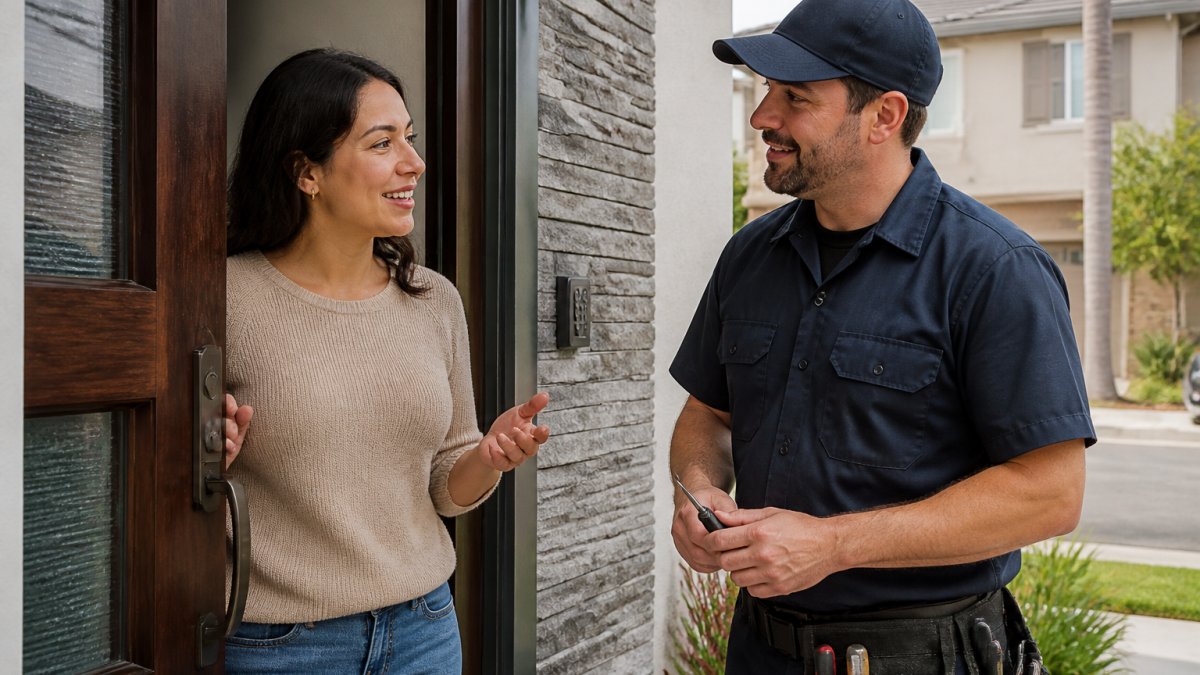
When stolen keys affect your home, vehicle, or business, waiting for a shop appointment may not be practical. A mobile locksmith can come to your location, assess the locks or vehicle system, and complete many rekeying, replacement, and programming services on site.
BDS Locksmith provides mobile locksmith service in San Jose and the South Bay for urgent home, vehicle, and commercial security needs. Licensed, bonded, and insured technicians can explain the available options, provide a clear estimate, and help you restore control of access without hidden surprises.
After theft, the goal is not to replace every piece of hardware automatically. It is to make the stolen key useless wherever it matters. Take the risk seriously, act early, and choose the security fix that fits the property, the key type, and the situation.