A tenant moves out, returns two keys, and says the third was lost months ago. That is not a small loose end. It is a security decision waiting to be made. This rental property rekeying guide helps landlords and property managers protect incoming tenants, keep control of access, and avoid paying for full lock replacement when the existing hardware is still in good condition.
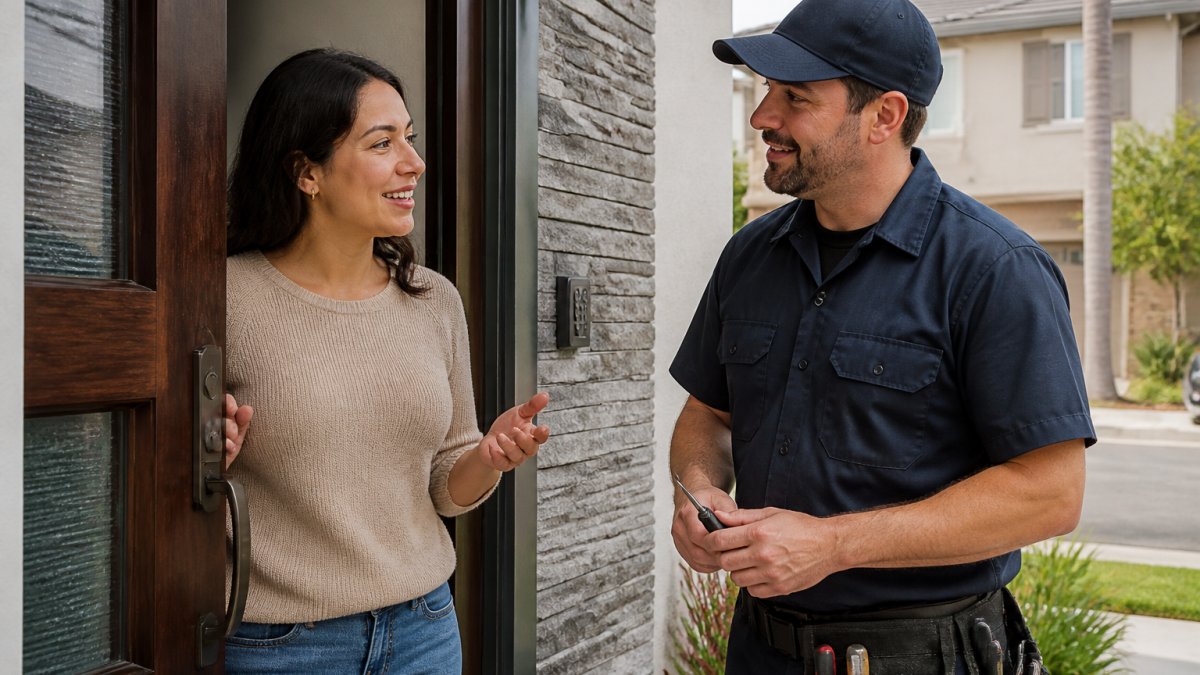
Rekeying is one of the most practical turnover services for rental homes, apartments, condos, and small commercial spaces. A qualified mobile locksmith can come to the property, change the internal key pins in compatible locks, cut new keys on site, and help you reset access before the next resident receives possession.
Why rekeying matters between tenancies
Every unaccounted-for key creates uncertainty. A former tenant may have given a spare to a friend, dog walker, cleaner, family member, contractor, or neighbor. Even responsible tenants often lose track of copies over a long lease. Collecting keys at move-out is helpful, but it does not prove that no duplicates exist.
Rekeying changes which key operates the lock without requiring a completely new lockset. The old key stops working, and you regain a clear starting point with a documented number of new keys. For a landlord, that is often less expensive and faster than replacing every exterior lock after each turnover.
It also gives incoming tenants peace of mind. They should not have to wonder whether someone connected to the previous resident still has access to their front door. Starting a lease with newly controlled keys is a simple, visible sign that property security is being handled professionally.
When should a rental property be rekeyed?
The best time is before a new tenant moves in and after the prior tenant has fully surrendered possession. Schedule the work as part of your turnover checklist, alongside cleaning, repairs, smoke detector checks, and any inspection of doors and windows.
Rekeying is also appropriate when keys are lost, stolen, or not returned; when a tenant reports a break-in or attempted break-in; after a contractor has had unsupervised access; or when management changes and master keys may no longer be controlled. If there is an immediate concern that an unauthorized person may enter the unit, treat the job as urgent rather than waiting for the next business day.
For occupied units, use more judgment. A tenant who loses a key may need a quick rekey to protect their belongings. If the tenant requests a lock change because of a safety concern, respond promptly, document the request, and understand your responsibilities under the lease and applicable California law. A locksmith can handle the hardware, but legal questions about notice, tenant rights, and payment responsibility may require guidance from your property attorney or management company.
Rekey or replace: how to make the right call
Rekeying is usually the right choice when the lock is functioning properly, the door aligns well, and the hardware provides the level of security you want. It preserves the existing finish and trim, reduces material costs, and can often be completed quickly on site.
Replacement makes more sense when a lock is damaged, worn out, corroded, loose, or difficult to turn. It is also worth replacing hardware when the deadbolt is low quality, the strike plate is weak, the keyway is outdated, or you want to move to a higher-security key system. A rekey does not repair a failing lock or strengthen a door frame.
Consider the whole entry, not only the cylinder. A solid deadbolt can still be undermined by a short strike plate, loose screws, a cracked jamb, or a door that does not latch correctly. For rental properties with repeated turnover, investing in durable commercial-grade hardware can reduce service calls and make future rekeys easier.
A practical rental property rekeying process
Start by identifying every point of entry that should be controlled. Exterior doors are the priority, but do not overlook garage entry doors, side gates, mailbox locks, storage rooms, laundry areas, common utility closets, and office spaces. Interior bedroom locks generally serve privacy rather than security, so their needs are different.
Before the locksmith arrives, gather the following information:
- The property address, unit number, and a contact who can authorize the work
- The number of doors and lock types that need attention
- Any concerns about lost keys, damaged hardware, or previous break-in attempts
- Whether you need all doors keyed alike, separate keys by area, or a master-key arrangement
- The number of keys needed for tenants, maintenance staff, and management records
A professional locksmith should inspect the locks before recommending a solution. Some cylinders can be rekeyed while others may require replacement. The technician can also identify whether different doors can be keyed alike. One key for a single-family rental is convenient, but a multi-unit building usually needs more careful access planning.
Once the work is complete, test every new key in every intended lock before the technician leaves. Confirm that the latch and deadbolt operate smoothly from both sides, and make sure the door closes and locks without force. Keep a record of the key code or service details in your property file, but do not label tenant keys with the full property address.
Control keys after the rekey
Rekeying only works as well as your key-control process. Give tenants the number of keys stated in the lease, record how many were issued, and require written acknowledgment. Keep emergency and maintenance keys in a restricted location with a clear sign-out process.
Avoid leaving a master key in an unsecured lockbox at the property for long periods. Lockboxes are useful during showings, vendor visits, and emergencies, but their codes should be changed regularly and access should be limited to authorized people. If a vendor no longer works with you, remove their access rather than assuming they discarded every copy.
For larger properties, a master-key system can reduce the number of keys management carries while still keeping tenants separated from one another. The trade-off is that master systems require careful planning and disciplined key control. Losing a master key can affect many doors, so it should be treated differently from a standard unit key.
Smart locks and traditional keys
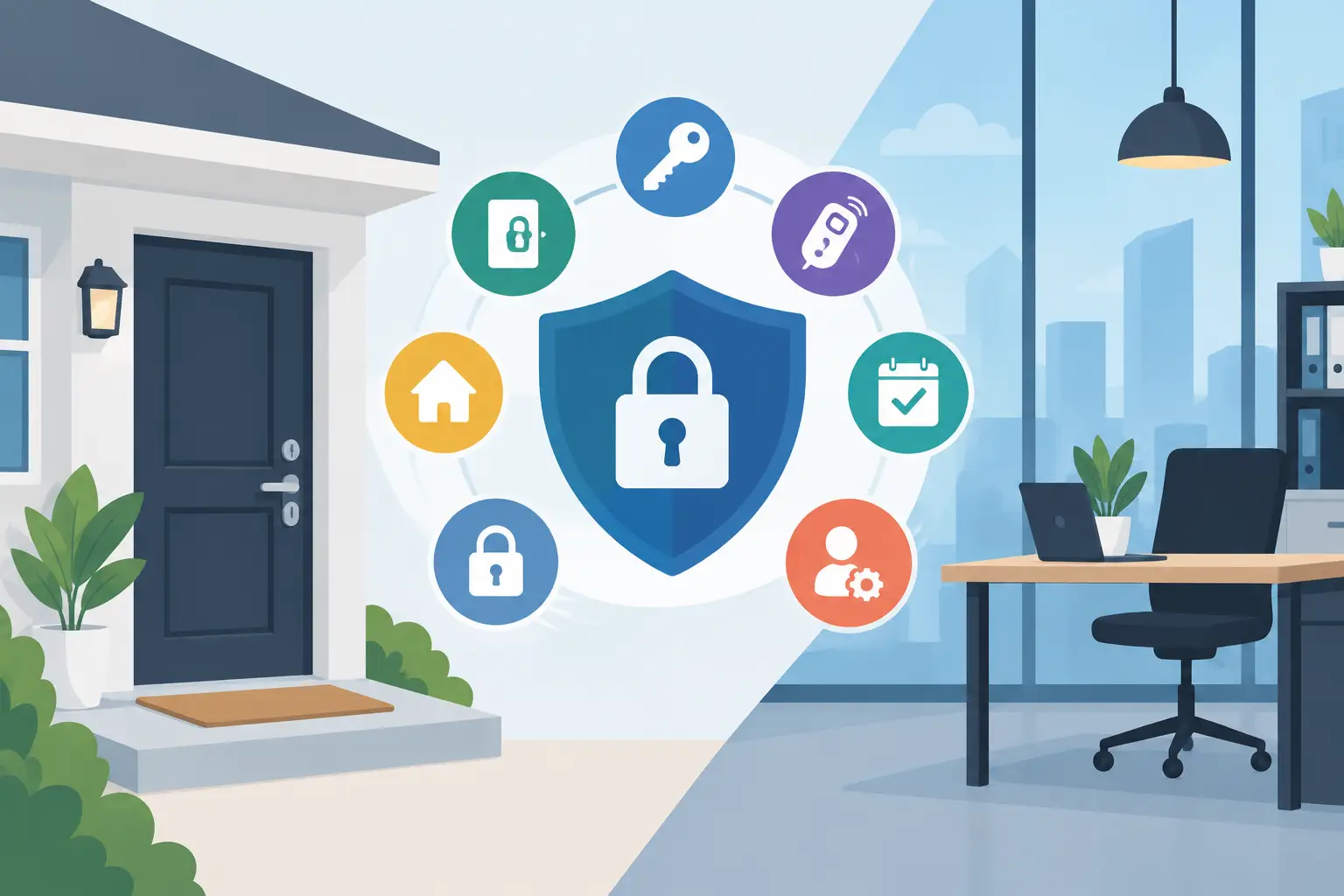
Smart locks can simplify turnover because codes can be removed or changed without rekeying a physical cylinder. They may be a good fit for furnished rentals, short-term stays, maintenance access, or properties where managers need to grant temporary entry remotely.
They are not automatically the best option for every rental. Battery maintenance, tenant comfort, internet reliability, local fire and building requirements, and the availability of a physical backup key all matter. Many landlords choose a quality deadbolt with a traditional key for dependable daily use, then add smart access only where it solves a real operational problem.
If your property uses electronic locks, remove old user codes immediately at move-out. Review administrator access as well. A code may be deleted while an old manager, vendor, or former employee still has app-based permission to unlock the door.
What affects rekeying cost?
The number of locks is the biggest factor, followed by lock type, key system complexity, condition of the hardware, number of keys needed, and whether service is scheduled or urgent. Standard residential deadbolts are generally straightforward. High-security locks, restricted keyways, commercial panic hardware, mailbox locks, and master-key systems can require more time or specialized parts.
The lowest initial price is not always the best value. If a lock repeatedly sticks, tenants will eventually call for help, often after hours. Replacing weak or failing hardware during turnover can prevent a future lockout, complaint, or emergency dispatch.
For San Jose and South Bay property owners, BDS Locksmith can provide mobile, on-site rekeying for planned turnovers and urgent access concerns. Ask for a clear estimate before work begins, explain the access setup you need, and make sure the final recommendation fits both the property and your budget.
A better handoff for every new tenant
A rekey is a small task with a large effect on trust. Before handing over keys, verify that old keys no longer work, new keys are counted, all exterior doors lock properly, and the tenant knows who to contact if there is a lock problem. That careful handoff gives the next resident a safer first night and gives you a cleaner, more defensible record of how access was managed.