Table of Contents
- Can You Get a Car Key Made Without the Original?
- How Automotive Locksmiths Create New Keys Without the Original
- VIN Number for Car Key Replacement: What You Need to Know
- Information Required to Get a Replacement Key
- Dealership vs. Locksmith for Car Keys: Cost and Service Comparison
- Car Key Replacement Cost: What Affects Pricing
- What to Do If You Lose Your Only Key
- Key Fob vs. Mechanical Key: Replacement Differences
- Common Mistakes When Replacing a Car Key
- Frequently Asked Questions
Last Updated: September 30, 2026
Can You Get a Car Key Made Without the Original?
Yes, you can get a car key without original specifications made by locksmiths and dealerships. It’s easier than most people think. Whether you’ve lost your only key or need a spare, automotive locksmiths and dealerships have multiple ways to create a replacement.
The process depends on your vehicle type and what information you have available. Some methods are faster than others. Some cost less. At BDS Locksmith, we help customers navigate these options, and the good news is that being without your original key doesn’t mean you’re stuck.
Here’s what you need to know: most modern vehicles store key codes in their system. Locksmiths can access this data using your Vehicle Identification Number. For older vehicles, the process is different but still straightforward. We’ll walk you through each method so you understand your options.
How Automotive Locksmiths Create New Keys Without the Original
Locksmiths use three main techniques to make car keys without the original. Each works for different vehicle types and situations.
Using Your Vehicle Identification Number (VIN)
Your VIN is the gateway to getting a replacement key. This 17-character code contains all the information needed to generate a new key.
Here’s how it works:
- The locksmith accesses the manufacturer’s database using your VIN
- The database returns the key code specific to your vehicle
- The locksmith cuts a new key blank to match that code
- For newer vehicles, they program the key to your car’s immobilizer system
This method works for most vehicles made in the last 20 years. It’s reliable and typically takes 30 minutes to an hour.
Key Code Retrieval from Service Records
If you’ve had your car serviced before, the dealership may have your key code on file. This is your fastest path to a replacement.
Call your dealership’s service department with your vehicle information. Ask if they have your key code documented. If they do, you can take that code to any locksmith. The locksmith cuts the key without needing to access manufacturer databases.
This method works even if you don’t have your VIN handy.
Transponder Key and Smart Key Programming
Modern vehicles use transponder keys and smart keys. These aren’t just cut, they must be programmed to communicate with your vehicle’s security system.
After the locksmith cuts your key, they program it using a diagnostic tool. The tool connects to your vehicle and registers the new key. This prevents theft by ensuring only authorized keys start your car.
Smart keys (key fobs) require additional programming. The locksmith uses specialized equipment to sync the fob with your vehicle’s receiver. This step is critical for keyless entry and push-button start systems.
VIN Number for Car Key Replacement: What You Need to Know
Your Vehicle Identification Number is essential for car key replacement. Understanding how to find it and what it reveals makes the process smoother.
Locating Your VIN
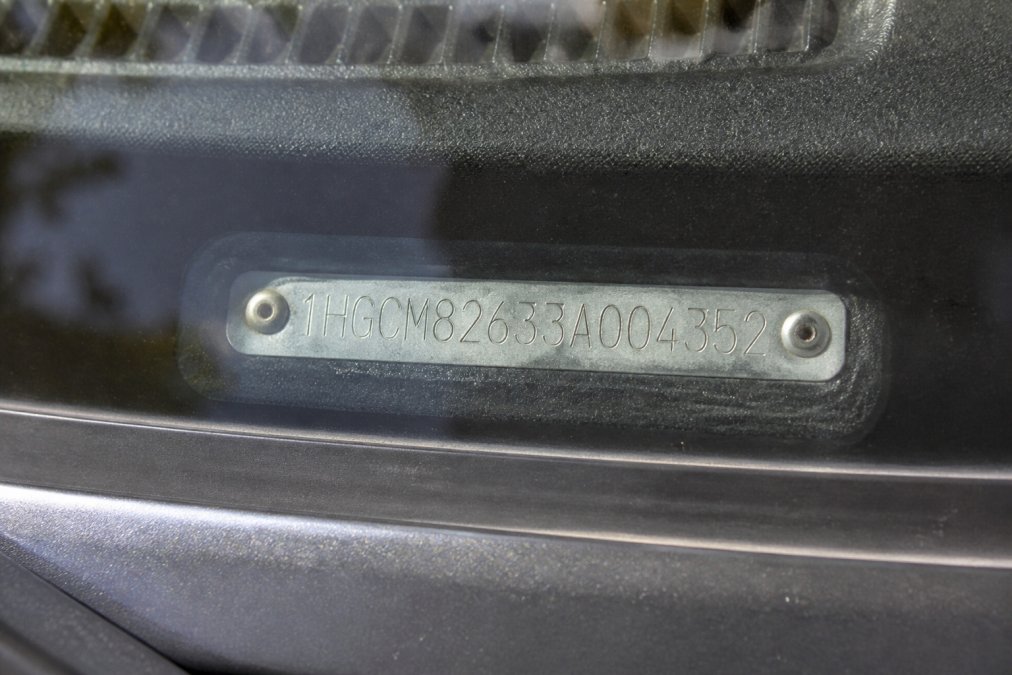
Your VIN appears in five locations on your vehicle. You don’t need to find all of them, one is enough.
Check these spots first:
- Driver’s side dashboard (visible through windshield from outside)
- Driver’s side door jamb (open the door and look on the frame)
- Vehicle title and registration documents
- Insurance card or policy documents
- Service records from your dealership
The VIN is always 17 characters long. It contains letters and numbers but never the letters I, O, or Q (to avoid confusion with numbers).
How VIN Decoding Works
The VIN isn’t random. Each section contains specific information about your vehicle.
The structure breaks down like this:
- Characters 1-3: World Manufacturer Identifier (tells you the brand and country)
- Characters 4-8: Vehicle descriptor section (body type, engine, transmission)
- Character 9: Check digit (security feature)
- Character 10: Model year
- Character 11: Manufacturing plant
- Characters 12-17: Serial number (unique to your vehicle)
When a locksmith enters your VIN into the manufacturer’s system, they retrieve your vehicle’s exact key code. This code is what makes your key unique. No two vehicles have the same key code unless they were manufactured with identical specifications.
Information Required to Get a Replacement Key
Getting a replacement key requires proof that you own the vehicle. Locksmiths and dealerships verify ownership before creating keys.
Proof of Ownership Documentation
You’ll need one of these documents:
- Vehicle title (the legal ownership document)
- Current vehicle registration
- Insurance card showing your name and the vehicle
- Lease agreement (if leasing)
- Bill of sale (if you recently purchased the vehicle)
- Utility bill with your name and address (sometimes required as secondary proof)
Dealerships are stricter about documentation. They often require the vehicle title and a government-issued ID.
Why is this required? Keys are security devices. Creating one for someone without ownership proof could enable vehicle theft. Both dealerships and locksmiths follow this standard to protect you and comply with legal requirements.
Keep a photo of your vehicle title and registration on your phone. If you ever lose your keys, you’ll have proof of ownership immediately available.
Dealership vs. Locksmith for Car Keys: Cost and Service Comparison
Both dealerships and locksmiths can make car keys. They differ in cost, speed, and convenience.
When Dealerships Are Your Best Option
Dealerships excel in specific situations. Choose a dealership if:
- Your vehicle is under warranty and you want the warranty to remain valid
- You have a complex smart key system with multiple programming features
- You need to reprogram all your keys simultaneously
- You prefer working with the original manufacturer
Dealerships have direct access to manufacturer systems. They can handle unusual key situations that independent locksmiths might struggle with. However, they typically require you to bring your vehicle to their location.
Why Locksmiths Offer Advantages
Locksmiths provide speed and convenience for getting a car key without original documentation that dealerships can’t match.
Locksmiths come to you. No towing. No waiting in a service department. Most mobile locksmiths arrive within 30-60 minutes.
Locksmiths handle standard key replacement efficiently. For most vehicles, they’re faster and less expensive than dealerships. BDS Locksmith offers free estimates before any work begins. You know the cost upfront with no surprises.
Locksmiths also work on older vehicles that dealerships no longer service. If your car is 15+ years old, a dealership might not have key codes available.
Car Key Replacement Cost: What Affects Pricing
Several factors influence how much you’ll pay for a replacement key. Understanding these helps you budget for the service.
The type of key matters most. Mechanical keys cost less than transponder keys. Smart keys and key fobs cost more due to programming requirements.
Your vehicle’s age and model affect pricing. Newer vehicles with advanced security systems cost more to replace. Luxury brands often cost more than standard vehicles.
Whether you need the key cut, programmed, or both impacts the total. Simple key cutting is the least expensive option. Adding programming increases the cost.
The time of day and day of week matter. Emergency service (nights, weekends, holidays) typically costs more than daytime service.
Your location affects availability and pricing.
For specific pricing on your situation, contact BDS Locksmith for a free estimate. We provide transparent quotes before any work begins.
What to Do If You Lose Your Only Key
Losing your only key creates urgency. Here’s how to handle it systematically, including understanding whether you can program your replacement yourself or need professional help.
Immediate Steps to Take
First, don’t panic. You have options.
Call a locksmith immediately. Mobile locksmiths can reach you quickly. Have your VIN and proof of ownership ready.
If it’s after hours and you need your vehicle, call a 24/7 locksmith.
While waiting for the locksmith, gather your documentation:
- Vehicle title or registration
- Government-issued ID
- Insurance card
- Any service records with key codes
Don’t attempt to hotwire your vehicle. Modern cars have security systems that prevent this. You’ll likely damage the ignition system and create additional repair costs.
Understanding Your Vehicle’s Key Programming Capabilities
Before your locksmith arrives, determine whether your vehicle supports DIY key fob programming. This affects both cost and timeline.
Vehicles that allow DIY programming:
Some vehicles manufactured by General Motors, Ford, Chrysler, and Toyota allow owners to program replacement key fobs without dealer equipment. These vehicles typically use a “self-programming” mode accessible through a specific sequence of ignition and door lock actions.
For example, many Ford vehicles from 2010 onward allow DIY programming: turn the ignition to the “On” position without starting the engine, then turn back to “Off” repeatedly in a specific pattern. The vehicle enters programming mode (indicated by door locks cycling). You then press buttons on the new fob to register it.
General Motors vehicles often use a similar method. Chrysler vehicles manufactured after 2008 frequently support DIY programming through the ignition cycle method.
However, this capability varies significantly by model year and trim level. A 2015 Ford Escape might support DIY programming while a 2015 Ford Fusion does not. Luxury models and vehicles with advanced security systems almost never support DIY programming.
Vehicles requiring professional programming:
Most vehicles manufactured after 2015, luxury brands (BMW, Mercedes-Benz, Audi, Lexus), and vehicles with advanced security features require professional programming equipment. These vehicles use encrypted communication between the fob and the vehicle’s receiver module. Without the correct diagnostic tool and manufacturer access codes, programming is impossible.
Tesla vehicles, for example, require programming through the vehicle’s touchscreen interface and Tesla’s backend systems, impossible without Tesla service access. Newer Hyundai and Kia vehicles use encrypted protocols that require dealer-level diagnostic equipment.
How to Check Your Vehicle’s DIY Programming Capability
Before calling a locksmith, check your owner’s manual. Search for “key fob programming” or “remote programming.” If your manual includes a programming procedure, your vehicle likely supports DIY programming.
Alternatively, search online for your specific vehicle year, make, and model with the phrase “DIY key fob programming.” Forums and YouTube videos often document working procedures for vehicles that support it.
Call your dealership’s service department. Ask directly: “Does my [year/make/model] support customer-programmed key fobs, or does it require dealer programming?” They’ll give you a definitive answer.
If your vehicle supports DIY programming and you have the new key fob (but not the original), you can often program it yourself before the locksmith even arrives. This saves the programming portion of the locksmith’s fee.
Roadside Assistance Coverage Options
Check your auto insurance policy. Many policies include roadside assistance coverage. This may cover lockout services and key replacement up to a certain amount.
Call your insurance company’s roadside assistance line. They can dispatch a locksmith to your location. Verify what’s covered before the service begins.
Some auto insurance policies cover key replacement entirely. Others cover a portion of the cost. A few policies don’t cover lockouts at all. Knowing your coverage prevents billing surprises.
Credit card companies sometimes offer roadside assistance benefits. Check your credit card benefits guide. Some premium cards include lockout and key replacement coverage.
AAA membership includes lockout and key replacement services for members. If you’re a member, call AAA before calling an independent locksmith, your service may be covered or discounted.
When to Choose a Dealership vs. a Locksmith for Your Replacement
If your vehicle requires professional key fob programming and you don’t have the original key, a dealership may be your only option.
If your vehicle supports DIY programming or if you only need a mechanical key cut (no fob), a locksmith is faster and less expensive. Most locksmiths can cut a key and hand it to you within an hour.
Key Fob vs. Mechanical Key: Replacement Differences
Modern vehicles come with key fobs. Understanding the differences between fobs and mechanical keys helps you choose the right replacement.
A mechanical key is the traditional car key. It’s a metal blank cut to match your vehicle’s lock. Mechanical keys open doors and start older vehicles. They have no electronics.
A key fob is a remote control device. It contains a transmitter that communicates with your vehicle. Fobs lock and unlock doors from a distance. They control alarm systems and trunk release.
Mechanical key replacement is straightforward. A locksmith cuts a new blank to match your vehicle’s lock code. No programming is needed. This takes 15-20 minutes and costs less.
Key fob replacement requires programming. The locksmith or dealership must sync the fob with your vehicle’s receiver. This ensures the fob communicates properly with your car. Programming takes longer and costs more.
Some vehicles use both. You get a mechanical key and a fob together. Replacing both is more expensive than replacing one.
If your fob’s battery dies, you can often replace just the battery. Many key fobs use standard batteries available at any pharmacy. This costs a few dollars. If the fob itself is damaged, you need a full replacement.
Common Mistakes When Replacing a Car Key
Avoiding these mistakes saves time and money.
Don’t assume you need a dealership. Most people think dealerships are the only option. Locksmiths handle standard key replacement faster and cheaper.
Don’t delay getting a replacement. The longer you wait, the more stressful the situation becomes. A locksmith can help immediately.
Don’t lose your VIN. Write it down or take a photo. You’ll need it for replacement. Keeping this information accessible prevents delays.
Don’t attempt DIY key programming. Modern vehicles require specialized diagnostic tools. Incorrect programming can lock you out permanently. Leave this to professionals.
Don’t ignore key fob battery warnings. When your fob starts acting unreliably, replace the battery immediately. Waiting until it dies completely leaves you stranded.
Don’t assume all locksmiths are equal. Choose a licensed, bonded, and insured locksmith. Check reviews and verify credentials before calling. BDS Locksmith is licensed, bonded, and insured, and we prioritize customer satisfaction.
Frequently Asked Questions
Can you get a car key made without the original key?
Yes, you can get a car key made without the original. Automotive locksmiths and dealerships use your Vehicle Identification Number (VIN), proof of ownership, and key code retrieval to create replacement keys. For transponder keys and smart keys, the locksmith will program the new key to match your vehicle’s immobilizer system. The process takes longer than duplicating an existing key but is entirely possible with proper documentation.
What information do I need to provide to get a new car key?
You’ll need your Vehicle Identification Number (VIN), proof of ownership (registration document or insurance card), and photo identification. The VIN helps locksmiths access your vehicle’s key code and programming specifications. Proof of ownership confirms you have the legal right to request a replacement key. Some locksmiths may also ask about your vehicle’s year, make, and model to ensure they have the correct key blank and programming procedures.
Is a locksmith cheaper than a dealership for car key replacement?
Locksmiths typically offer lower costs than dealerships for car key replacement, especially for mechanical keys and standard transponder keys. However, pricing depends on your vehicle type, key complexity, and whether programming is required. For an accurate comparison, get quotes from both a local automotive locksmith and your dealership before deciding which option works best for your budget.
What should I do immediately if I lose my only car key?
First, stay calm and call a mobile automotive locksmith or your dealership for emergency service. Have your proof of ownership and VIN ready. If you’re locked out of your vehicle, ask about roadside assistance through your auto insurance policy, many plans cover lockout services at no cost. While waiting for service, avoid leaving your vehicle unattended in unsafe locations. A professional locksmith can often arrive within 30-60 minutes.
Losing your car key doesn’t have to be a crisis. Whether you need a simple mechanical key or a programmed smart key, you have reliable options. BDS Locksmith provides mobile key replacement with same-day service, free estimates, and competitive pricing. We arrive on-site, handle the entire process, and get you back on the road. Call (408) 300-4369 for immediate assistance or to schedule service at your convenience.