Table of Contents
- Understanding Emergency Home Lockout Response Times
- Average Locksmith Arrival Time: What the Data Shows
- Factors Affecting Locksmith Response Time
- What to Do When Locked Out of Your House
- How to Prepare for a Locksmith Arrival
- Emergency vs. Non-Emergency Lockout Calls
- DIY vs. Professional Risk Assessment
- Real-Time Tracking and Service Updates
- Conclusion
- Frequently Asked Questions
Last Updated: October 2, 2026
Understanding Emergency Home Lockout Response Times
When you’re locked out of your house, every minute feels like an hour. The first question that comes to mind is simple: how long until help arrives? Understanding emergency home lockout response times helps you plan your next steps and manage expectations while waiting for professional assistance.
At BDS Locksmith, we’ve handled thousands of lockout situations across the South Bay Area, and we know that response time depends on far more than just how fast a technician can drive. The actual timeline involves dispatch coordination, traffic patterns, lock complexity, and technician availability. Most homeowners don’t realize that the time between your call and the locksmith’s arrival is influenced by factors you can control and factors you cannot.
This guide breaks down what actually determines how quickly a locksmith reaches you, what happens when they arrive, and how you can prepare to minimize your time locked out.
Average Locksmith Arrival Time: What the Data Shows
Professional locksmiths typically arrive within 30 to 60 minutes from the time you call, though this varies significantly based on location and current demand. In urban areas with higher technician density, arrival windows often fall on the shorter end of that range. Rural or less-populated areas may see longer wait times.
The key factor here is dispatch efficiency. When you call a locksmith service, the dispatcher immediately assesses your location, the type of lockout, and which technician is closest to you. Some services maintain real-time GPS tracking of their mobile units, which reduces guesswork and gets help to you faster. Others rely on zone assignments or manual routing, which can add 10 to 15 minutes to your wait.
During peak hours, typically evenings and weekends, response times can stretch longer because multiple lockout calls come in simultaneously. A technician who would normally reach you in 40 minutes might take 60 or more if they’re already committed to another residential lockout nearby. Understanding this helps explain why your wait might differ from what a friend experienced with the same service on a different day.
Factors Affecting Locksmith Response Time
Geographic and Traffic Impact
Your location within the service area is the single biggest predictor of arrival time. A lockout in downtown San Jose will typically see faster response than a lockout in a more remote part of the South Bay because technicians are distributed closer together in denser areas.
Traffic conditions compound this effect dramatically. A 10-mile drive during off-peak hours might take 15 minutes. The same drive during rush hour could take 40 minutes. Locksmiths factor in current traffic patterns when they accept your call, but unexpected accidents or road closures can delay even the best estimates.
Weather also plays a role that many homeowners overlook. Heavy rain, fog, or rare snow conditions slow traffic and make driving more cautious. A technician might add 10 to 15 minutes to their estimate during severe weather to account for reduced visibility and traction.
Lock Complexity and Hardware Type
Not all locks take the same time to open. A standard pin-tumbler deadbolt on a residential door is straightforward and typically opens in 5 to 15 minutes once the locksmith is on-site. High-security locks, keyless entry systems, or smart locks require specialized tools and knowledge, extending on-site time to 20 to 45 minutes.
The type of lockout also matters. A door lockout where the key is inside differs from a deadbolt that won’t turn. A jammed lock requires different techniques than a broken key stuck in the mechanism. The locksmith needs to assess the specific problem before they can estimate how long the resolution will take.
Older locks with worn pins or damage take longer to manipulate than newer locks. Locksmiths trained in lock picking and manipulation can work around these issues, but the work demands patience and precision. Rushing a difficult lock risks damaging the lock itself, which then requires replacement rather than just opening.
Technician Availability and Dispatch
The number of available technicians directly affects response time. A locksmith company with five mobile units available can dispatch one to you immediately. A smaller operation with one or two technicians might have you waiting while they finish a previous job.
Dispatch quality also influences outcomes. A well-organized dispatch system tracks technician locations, current jobs, and estimated completion times. This allows the dispatcher to route the next call to whichever technician will finish soonest and be closest to your location. Poor dispatch coordination creates bottlenecks where technicians are sent inefficiently.
Some services offer priority dispatch for emergency calls, meaning your call moves to the front of the queue. Others operate on a first-come, first-served basis. If you call during a busy period, you might wait longer simply because other customers called first.
What to Do When Locked Out of Your House
Immediate Steps to Take
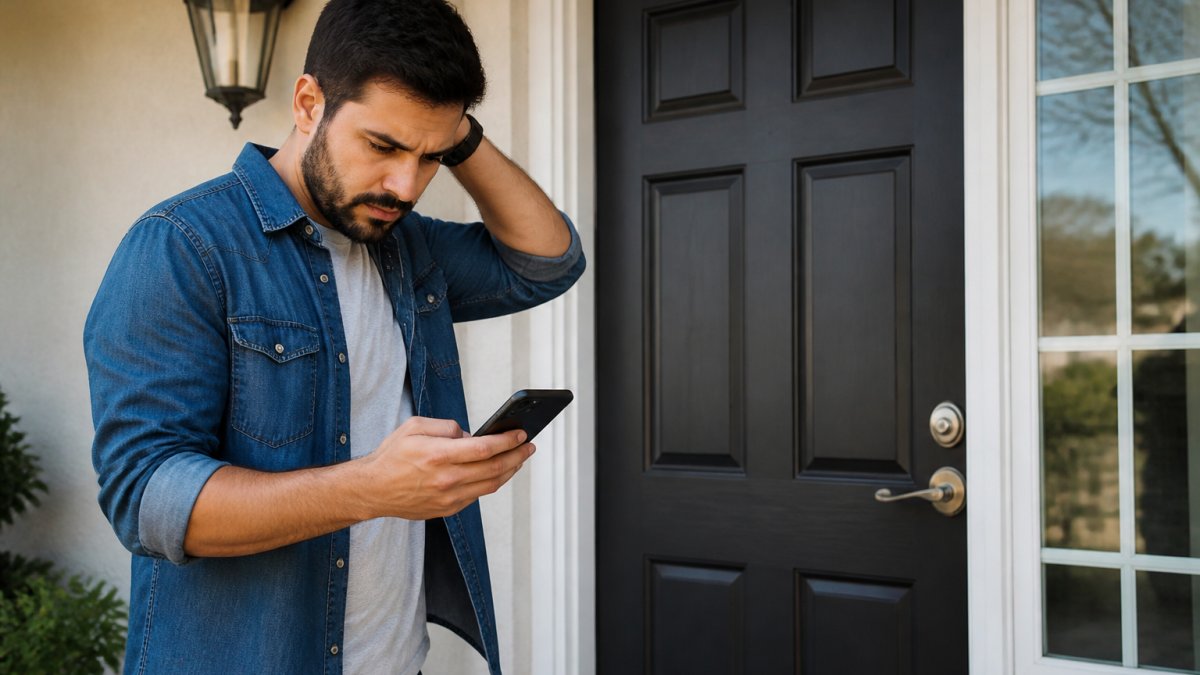
The moment you realize you’re locked out, stay calm and assess your situation. Are you in a safe location? Do you have your phone and wallet? Can you wait inside a nearby building or vehicle, or do you need to stay outside?
Call a professional locksmith immediately rather than attempting DIY solutions. Trying to pick your own lock, force a door, or break a window risks damaging your property and potentially injuring yourself. A licensed locksmith has the tools and training to open your lock without damage.
When you call, provide clear information: your address, the type of lock (deadbolt, knob lock, smart lock), whether you’re locked out of the main door or another entrance, and any special circumstances (elderly person inside, pet locked in the house). This information helps the dispatcher route you to the right technician and give you an accurate time estimate.
Verification Checklist Before Work Begins
Before a locksmith begins work, verify their credentials. Ask to see their license and insurance documentation. A legitimate professional carries these with them and is happy to show them. This protects you in case something goes wrong during the work.
Confirm the service call fee before work starts. Ask whether the quoted price includes the service call, the opening, or if there are additional charges for lock complexity. Some locksmiths quote a base fee plus an opening fee. Others charge a flat rate. Getting clarity prevents surprise charges when the bill arrives.
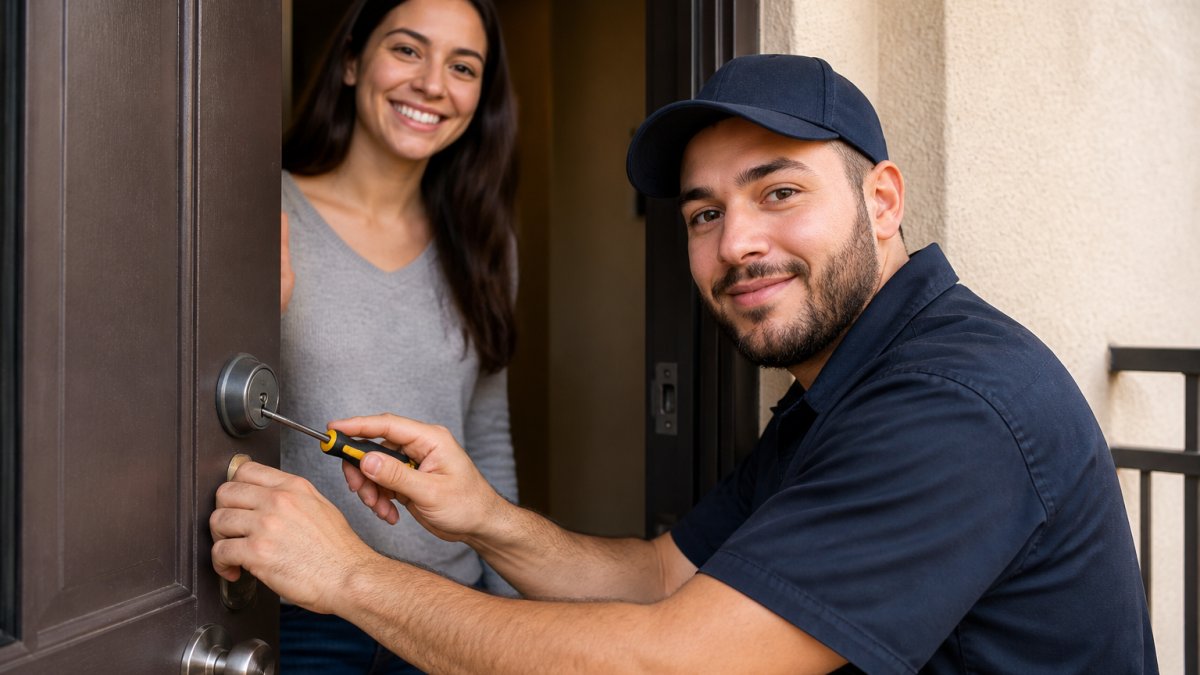
Check that the technician is using professional tools, not makeshift equipment. Proper lock picks, tension wrenches, and specialized tools indicate training and professionalism. A technician working with improvised tools or excessive force is a red flag.
Ask about the method they’ll use to open your lock. A skilled technician can explain whether they’ll pick the lock, manipulate it, or use another technique. If they can’t explain their approach, consider requesting a different technician.
How to Prepare for a Locksmith Arrival
Prepare your home for the technician’s arrival by clearing the path to your locked door. Move vehicles, toys, or obstacles from the driveway so the locksmith can park easily and access your entrance without delay.
Have your ID ready. Most locksmiths verify that you live at the address before opening the door. This is a security measure that protects both you and the locksmith. If you’re renting, have your lease or a document showing your name and the property address.
If you have a security system, disarm it before the technician arrives or have the code ready. An armed system might trigger an alarm when the door opens, which is startling and unnecessary.
Know your lock type before the call. Is it a deadbolt, a knob lock, a keypad entry, or a smart lock? This information speeds up the dispatch process and helps the technician prepare the right tools before arriving.
Emergency vs. Non-Emergency Lockout Calls
An emergency lockout typically means you need immediate access to your home for safety, medical, or urgent reasons. A non-emergency lockout is one where you can wait a few hours without serious consequence.
Emergency calls usually receive priority dispatch and faster response times. You might pay a premium for after-hours service or expedited arrival. Non-emergency calls often have longer wait times but lower fees since they don’t require the same level of urgency.
The distinction matters for pricing and scheduling. If you’re locked out at 2 a.m. and need to get inside immediately, you’ll call an emergency service and expect higher costs. If you’re locked out at 3 p.m. on a weekday and can wait an hour, a standard service call is appropriate.
Some locksmiths distinguish between residential emergency service (24/7 availability) and standard business hours. Know what your locksmith offers before you need it. BDS Locksmith provides 24/7 emergency services, so whether you’re locked out at noon or midnight, the same professional response applies.
DIY vs. Professional Risk Assessment
Attempting to open your own lock carries financial and safety risks that far exceed the cost of professional service. Understanding the actual damage costs and failure rates clarifies why professional locksmith assistance is the rational choice.
The Real Cost of Lock Damage
When you attempt DIY lock opening using improvised tools or force, damage to the lock mechanism is common. Here’s what replacement costs:
Standard residential deadbolt replacement: $150-$300 installed. If you damage the lock during a DIY attempt, you must replace it entirely. A locksmith service call to open the same lock without damage is often more cost-effective than a failed DIY attempt that requires replacement.
High-security or smart lock replacement: $300-$800 installed. These locks contain specialized cylinders and electronic components. Attempting to pick or force a smart lock often triggers internal damage that makes it inoperable even after a professional opens it. Replacement becomes mandatory, and you lose the security features you paid for.
Door frame damage from forced entry: $200-$600 for carpentry repair. Forcing a door or using a pry bar damages the door frame, strike plate, and surrounding wood. This requires professional carpentry to restore structural integrity and aesthetics. A locksmith opening the lock without force avoids this damage entirely.
Window breakage (if you attempt to climb through): $300-$800 per window depending on size and type. Tempered glass windows cost more to replace than standard glass. This is a common mistake when homeowners try to gain entry through a window instead of calling a locksmith.
Total potential damage from a failed DIY attempt: $500-$2,000+, compared to a professional locksmith service fee of $100-$250.
Why DIY Lock Picking Fails
Lock picking requires specific skills and tools that take months or years to develop. A standard residential pin-tumbler deadbolt contains 5-6 pins that must be set to precise heights. Without training, you cannot feel the subtle feedback that indicates a pin is set correctly.
Common DIY approaches and their failure rates:
Credit card shimming: Effective only on old, poorly maintained locks. Modern locks have anti-shimming features. Attempting this method typically jams the card inside the lock, requiring professional extraction and often lock replacement.
Flathead screwdriver manipulation: Causes internal damage to the lock’s pin stack and springs. Even if you manage to turn the lock, it may jam permanently, requiring drilling and replacement.
Improvised lock picks from paperclips or bobby pins: These tools lack the precision of professional picks. They bend easily, break inside the lock, or slip and damage the lock’s internal components. A locksmith then must extract the broken tool before opening the lock, adding time and cost.
Bump keys: These specially cut keys work on some locks but fail on others. Repeated attempts with a bump key can damage the lock’s internal mechanism, making it inoperable.
A professional locksmith succeeds where DIY attempts fail because they have:
- Specialized tools designed for lock manipulation without damage
- Years of training to feel and interpret lock feedback
- Knowledge of lock vulnerabilities and the safest approach for each lock type
- Insurance and bonding to cover any accidental damage
Forced Entry and Property Damage
Some homeowners resort to forcing a door or breaking a window, reasoning that they own the property and can repair it later. This approach creates immediate damage and expense:
Forcing a door: Applying force to a locked door damages the lock, door frame, and hinges. The door may no longer close properly or lock securely. Repair costs ($200-$600) plus a new lock ($150-$300) total $350-$900, compared to a locksmith service of $100-$200.
Breaking a window: A single window replacement costs $300-$800. If you break a tempered glass window (common in patio doors), the cost is at the higher end. You also create a security vulnerability until the window is replaced, and you risk cutting yourself on broken glass.
Damage to door frame or trim: Prying or forcing a door can split wooden frames or damage decorative trim. Carpentry repair to restore the frame and repaint runs $300-$600. A locksmith opening the lock without force avoids this entirely.
Time Cost and Stress
Beyond financial cost, DIY attempts consume time and create stress. A failed attempt might take 30-60 minutes and leave you more frustrated and locked out than before. A professional locksmith arrives within 30-60 minutes and resolves the situation in 15-45 minutes depending on lock complexity.
If you’re locked out during an emergency (extreme weather, medical situation, elderly person inside), the time spent on failed DIY attempts delays professional help. The professional approach is faster and more reliable when time matters.
The Professional Approach: Speed, Safety, and Warranty
A licensed locksmith opens your lock in 15-45 minutes depending on complexity, without damage to the lock or property. You pay a service fee ($100-$250 typically) and retain a fully functional lock. Many professional locksmiths offer a satisfaction guarantee or warranty on their work, meaning if the lock malfunctions shortly after opening, they’ll address it at no additional cost.
The financial math is clear: professional service costs $100-$250 and preserves your lock and property. DIY attempts risk $500-$2,000+ in damage and often fail anyway. For nearly every homeowner, calling a professional locksmith is the rational choice.
Real-Time Tracking and Service Updates
Modern locksmith services offer real-time tracking that shows you exactly where your technician is and when they’ll arrive. This feature reduces anxiety during the wait and lets you plan accordingly. If the technician is 10 minutes away, you know you don’t need to call anyone else or make alternative arrangements.
Not all locksmiths offer this technology. Smaller operations or those without GPS-enabled dispatch systems can’t provide real-time updates. When you call, ask whether the service offers tracking. If it does, request the link or tracking information so you can monitor progress.
Text or email updates are another helpful feature. Instead of wondering whether the technician is still coming, you receive notifications when they’re en route, when they’re five minutes away, and when they arrive. This transparency builds confidence and reduces the stress of waiting.
Some services provide estimated arrival windows rather than exact times. This is still useful, knowing “30 to 45 minutes” helps you plan better than no estimate at all. The wider window accounts for variables like traffic and dispatch routing.
Conclusion
When you’re locked out of your home, understanding what influences response time helps you stay calm and make informed decisions. Geographic location, traffic conditions, lock type, and technician availability all shape how quickly a professional arrives. Preparation, knowing your lock type, having your ID ready, and clearing the path to your door, speeds up the entire process.
BDS Locksmith provides 24/7 emergency home lockout services with same-day availability throughout the South Bay Area. Our licensed, bonded, and insured technicians arrive fully equipped to handle residential lockouts without damage. We offer free estimates, competitive pricing, and a commitment to 100% customer satisfaction. When you’re locked out, call BDS Locksmith at (408) 300-4369 for professional, reliable service.
Frequently Asked Questions
How long do emergency locksmiths typically take to arrive?
Most professional emergency locksmiths arrive within 30 to 60 minutes of dispatch, depending on traffic conditions, your location, and technician availability. Urban areas with heavy congestion may experience longer wait times. Response time also depends on whether you’re calling during standard business hours or after-hours. Always confirm the estimated arrival window when you call, and ask if real-time tracking is available so you can monitor your locksmith’s progress.
What factors affect locksmith response time the most?
The primary factors affecting locksmith response time include geographic distance from the dispatch center, current traffic conditions, lock complexity, and technician availability. Weather conditions and time of day also play a role, evening and weekend calls may have longer waits. The type of lock (standard deadbolt versus high-security locks) influences both travel time and on-site resolution time. Providing accurate address information and access instructions when you call helps reduce delays.
What should I do immediately after realizing I’m locked out of my house?
First, check if any doors or windows are unlocked before calling a locksmith. Verify you actually live at the property and have proof of residency ready. Call a licensed, bonded, and insured emergency locksmith and provide your exact address and phone number. Stay in a safe location near your home while you wait. Avoid attempting lock picking yourself, as this can damage your locks and delay professional resolution. Have your ID ready for the technician’s verification checklist.
How can I verify a locksmith is legitimate before letting them work on my door?
Ask for proof of licensing, bonding, and insurance before the technician begins work. Legitimate locksmiths carry credentials and can provide documentation. Confirm the company name matches what you called, and ask about their damage liability in case something goes wrong during the service. Request a written estimate before work starts, and verify it matches your phone quote. Check that the technician has proper identification and arrives in a branded vehicle. Never pay cash upfront for emergency services.