Table of Contents
- Immediate Steps When You’re Locked Out of Your House
- What to Expect From 24/7 Mobile Locksmith Services
- How to Find a Reliable Local Locksmith
- Average Cost of Emergency Home Lockout Services
- Non-Destructive Entry Methods Professionals Use
- Lock Replacement and Security Upgrades After a Lockout
- DIY Temporary Security Measures While You Wait
- Smart Lock Troubleshooting and Lockout Prevention
- Legal Requirements and Proof of Residency
- Frequently Asked Questions
Last Updated: September 14, 2026
Immediate Steps When You’re Locked Out of Your House
The first move when you’re locked out isn’t calling anyone. It’s confirming you’re actually locked out. According to Ready.gov home safety guidance, most residential lockouts resolve within minutes once homeowners systematically check secondary entry points. Emergency home lockout help starts with a slow, methodical walk around your own property before you dial a single number.
Here’s the sequence that saves the most time:
- Check the front door handle and deadbolt twice
- Walk to the back door and test the knob, even if you’re sure it’s locked
- Test sliding glass doors and their secondary latches
- Check the garage door keypad or manual release
- Look at ground-floor windows you may have left unlatched
Rule out the obvious before you spend money.
Check Every Door and Window First
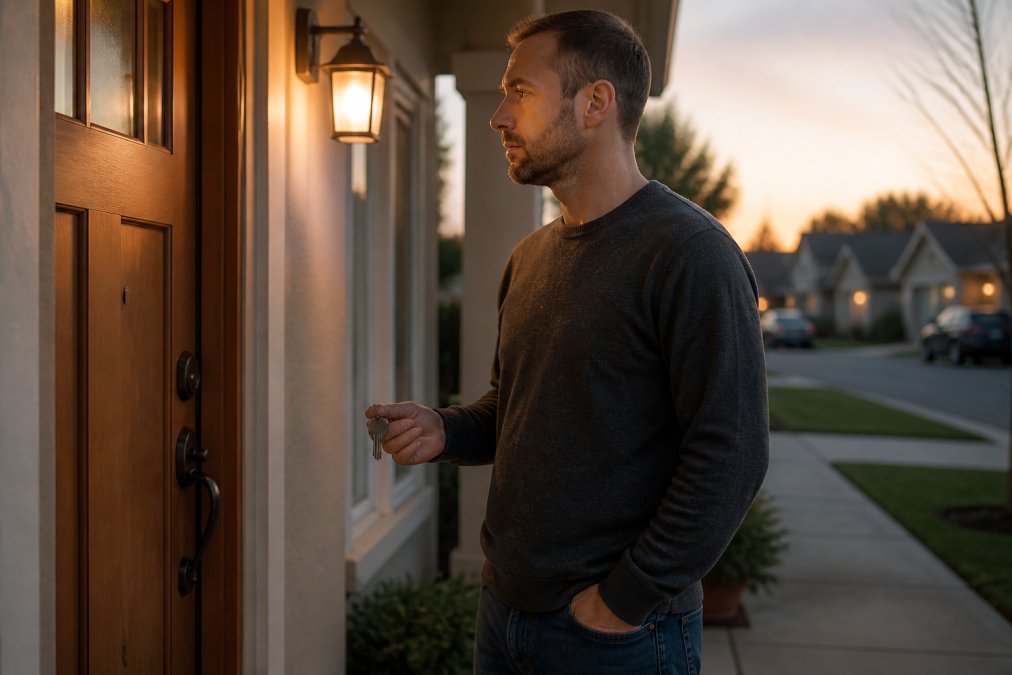
A common mistake is assuming the door you normally use is your only option. In practice, families often leave a back slider unlocked or a garage side door unlatched without realizing it. Spend two minutes testing every entry point before you commit to a service call.
Call for Emergency Home Lockout Help
Once you’ve confirmed you’re truly locked out, call a mobile locksmith rather than a tow truck or a general handyman. A licensed technician arrives with the tools to open your door without damage. Give the dispatcher your exact address, the type of lock, and whether anyone is inside.
Snap a photo of your lock before you call. A clear picture of the brand and style lets the dispatcher send a technician with the right tools on the first trip, which can cut your wait time significantly.
What to Expect From 24/7 Mobile Locksmith Services
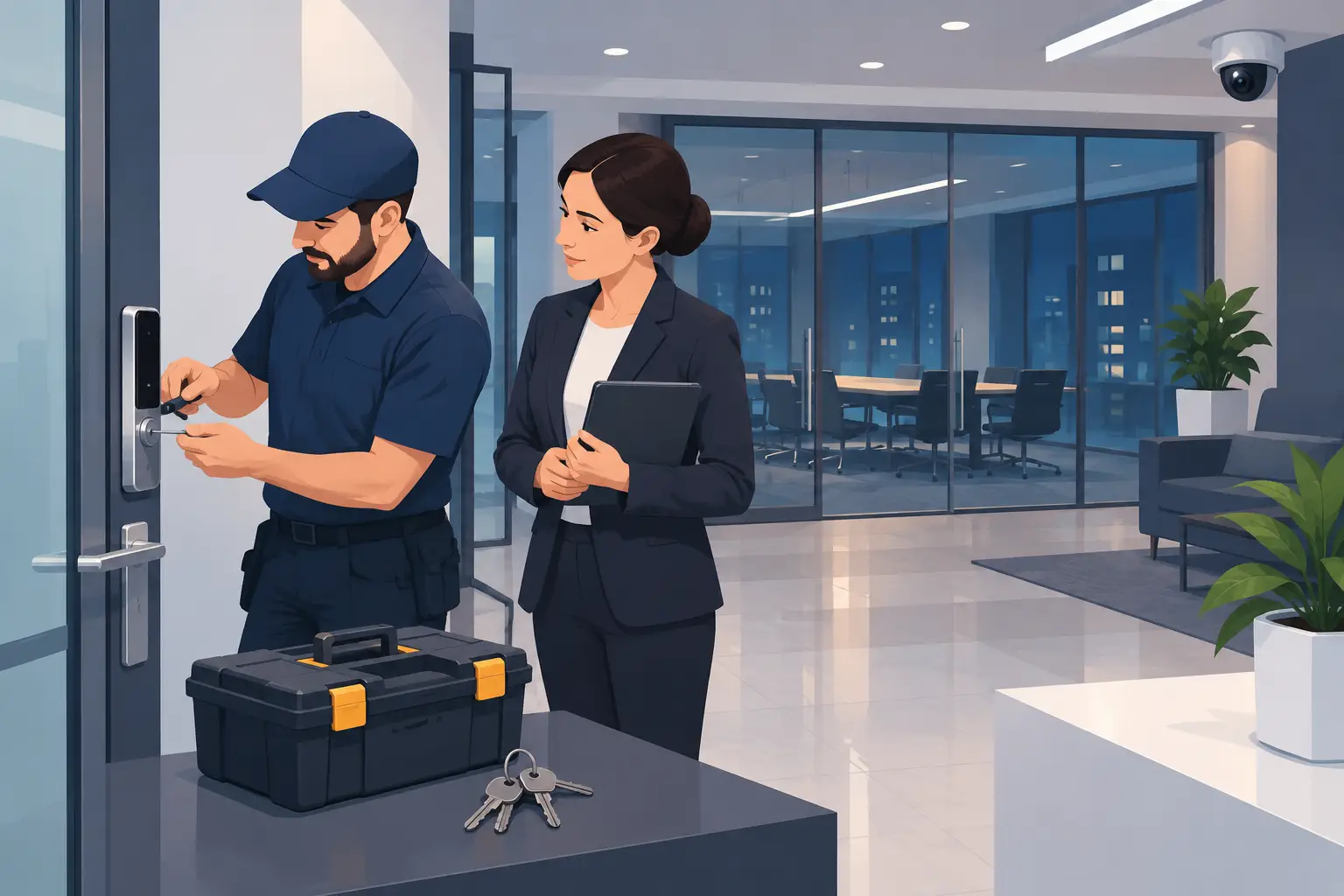
A 24/7 mobile locksmith service brings the workshop to your driveway. The technician arrives in a fully equipped van, verifies your identity, and opens your door on-site. No towing, no driving to a shop, no waiting until morning.
That said, not every “24/7” number actually answers at 2 a.m. When you call, listen for a live human, not a voicemail box. Ask directly: “Are you dispatching a technician right now?” A real emergency dispatch confirms a driver and gives you a time window.
A typical visit follows this pattern:
- Phone intake: address, lock type, situation
- Dispatch confirmation with an ETA
- On-site arrival and ID verification
- Entry, typically within minutes of arrival
- Payment and a receipt
For homeowners dealing with a genuine emergency home lockout, that live-dispatch confirmation is the difference between a 30-minute fix and a three-hour ordeal.
How to Find a Reliable Local Locksmith
The fastest way to find a reliable local locksmith is to ask three questions before anyone touches your door: Are you licensed? Are you insured? What’s the total price? A legitimate company answers all three without hesitation.
Verify Licensing, Bonding, and Insurance
Ask for a license number and verify it. A bonded and insured locksmith carries protection that covers you if something goes wrong during entry. Many states require locksmiths to hold a specific license, and a professional will hand over proof without pushback (ncsl.org).
Red Flags That Signal a Scam
Watch for these warning signs:
- A quote that changes dramatically once the technician arrives
- No physical business address or license number
- Pressure to pay in cash only, with no receipt
- A technician who arrives in an unmarked vehicle with no uniform
- Refusal to show ID or credentials
The Federal Trade Commission’s consumer protection guidance recommends getting a quote in writing and never agreeing to work before you understand the total cost. If a price feels inflated compared to the phone quote, you can decline and call someone else.
The single most common scam is the bait-and-switch quote. A low phone price becomes a triple-digit bill once the door is open and you’re standing in your own hallway. Always confirm the total price, including the service call fee, before the technician starts.
Average Cost of Emergency Home Lockout Services
Most homeowners want a number before they dial, and a transparent locksmith will give one. While exact pricing varies by market, high-security deadbolts, smart locks, and locks that require drilling can push the total higher because they take more time and may require replacement hardware.
Here’s what actually moves the price:
| Factor | Typical Effect | Why It Matters |
|---|---|---|
| Time of day | 1.5x to 2x after 10 p.m. | Overtime dispatch and technician pay |
| Lock type | +$25 to $100+ | High-security cylinders and smart locks take longer |
| Travel distance | +$1 to $3 per mile beyond a set radius | Fuel, drive time, and lost service windows |
| Service call fee | $25 to $75 flat | Covers dispatch and arrival, charged even if you decline work |
| Drilling required | +$50 to $150 plus hardware | Replacement cylinder or full lock swap |
A few concrete questions to ask on the phone will protect you from surprise invoices:
- What is the total price, including the service call fee, for my lock type at this hour?
- Is there an additional charge if the lock must be drilled?
- Do you accept credit cards, and will I get an itemized receipt?
- Is the quoted price guaranteed once the technician arrives?
A legitimate company answers all four without hesitation. If the dispatcher dodges the total-price question or says “we’ll figure it out on site,” that is the bait-and-switch pattern the Federal Trade Commission warns consumers about. Get the quote in writing, text or email is fine, before you agree to dispatch.
The bait-and-switch is the most common pricing scam in this industry. A $39 phone quote becomes a $300 bill once your door is open and the technician is standing in your hallway. Confirm the all-in price, in writing, before anyone starts.
If you have renter’s insurance or a home warranty, check whether lockout service is covered. Many renter’s policies include a small lockout reimbursement, and some auto clubs extend coverage to home lockouts for members. A five-minute call to your insurer before you book can turn a $200 bill into a $0 out-of-pocket expense.
Non-Destructive Entry Methods Professionals Use
Non-destructive entry means opening your door without drilling, breaking, or replacing the lock. A skilled technician uses picks, tension tools, and bypass techniques to defeat the lock while leaving it fully functional. The method chosen depends on the lock, the door, and how much time the technician has.
Here’s how the main techniques actually work:
- Single-pin picking. A tension wrench applies light rotational pressure while a pick lifts each pin to the shear line one at a time. Works on most standard pin-tumbler knob and deadbolt cylinders. Takes seconds for an experienced tech, minutes for a novice.
- Raking. A rake pick is scrubbed across the pins while tension is applied, bouncing multiple pins to the shear line at once. Fast on lower-quality cylinders, unreliable on security pins.
- Bypass tools. A shim, decoder, or under-door tool manipulates the latch or internal mechanism without touching the pins. Common on spring latches and some keypad locks. Leaves zero marks on the cylinder.
- Impressioning. The technician inserts a blank key and works it against the pins to cut a working key on the spot. Useful when the lock is pick-resistant but the cylinder is accessible.
- Bumping. A specially cut bump key is struck while turned, momentarily aligning the pins. Effective on many older cylinders, but it can damage worn locks, so reputable techs use it sparingly.
When does drilling become justified? Only when the lock cannot be picked or bypassed, a seized cylinder, a broken key stuck in the plug, or a high-security lock with no bypass. Even then, a good technician drills the cylinder, not the door, and replaces just the cylinder afterward. If a technician reaches for a drill before trying to pick the lock, ask why. Drilling should be a last resort, not a first move.
Non-destructive entry protects your lock and your wallet. Ask the dispatcher up front whether the company’s standard practice is to pick first and drill only as a last resort. The answer tells you a lot about who is coming to your door.
This is also where the scam-prevention angle matters. Predatory operators sometimes drill a perfectly pickable lock because replacement cylinders are more profitable than a clean pick. If your lock was working fine before the lockout and the technician insists it must be drilled, get a second opinion or ask for the old cylinder back as proof it was actually damaged.
Lock Replacement and Security Upgrades After a Lockout
A lockout is the right moment to think about whether your current lock is doing its job. If your lock was easy to bypass, so was everyone else’s. Upgrading to a high-security deadbolt or a smart lock raises the bar against unauthorized entry.
Common upgrades after a lockout include:
- Deadbolt installation on every exterior door
- Re-keying so old keys no longer work
- High-security cylinders resistant to picking and bumping
- Smart locks with keypad or app entry
Renters should note that re-keying is often the simplest fix after moving in, and many landlords allow it if you provide a copy of the new key. For homeowners, a lockout is a natural checkpoint to review the security of every entry point.
DIY Temporary Security Measures While You Wait
While you wait for a technician, you still need to secure your home and your belongings. Temporary measures won’t replace a working lock, but they reduce risk during the gap.
- Stay on-site rather than leaving to run errands
- Ask a neighbor to keep an eye on the property
- Move valuables out of sight if a window is your entry point
- Keep your phone charged for the technician’s arrival call
- Don’t force a window or door yourself; damage costs more than the service call
If you have a spare key hidden outside, this is the moment to reconsider that hiding spot. Under the mat or in a fake rock are the first places a burglar looks. A key safe with a combination, or leaving a spare with a trusted neighbor, is safer.
Smart Lock Troubleshooting and Lockout Prevention
Smart locks fail differently than mechanical ones, and the fix is often simpler than you’d expect. Before you call for emergency home lockout help, run through the basics: dead batteries, a dropped Wi-Fi connection, or a jammed bolt.
Try these steps in order:
- Replace the batteries, even if the lock seems to have power
- Check the app for a firmware or connectivity issue
- Use the physical key override if your lock has one
- Recalibrate the bolt if it’s stuck mid-throw
- Reset the lock to factory settings as a last resort
Lockout prevention starts with habits. Keep a spare key with someone you trust, replace smart lock batteries on a schedule, and test your keypad code monthly. A little maintenance beats a midnight service call.
Legal Requirements and Proof of Residency
A licensed locksmith will ask you to prove you live at the address before opening the door. This isn’t suspicion; it’s a legal safeguard that protects you and the technician.
Acceptable proof of residency typically includes:
- A driver’s license or state ID with the address
- A utility bill or lease in your name
- A piece of mail with your name and address
- A vehicle registration matching the property
If you’re renting, your lease works. If you just moved in and have no mail yet, a signed lease plus your ID usually satisfies the requirement. A professional locksmith who skips this step is a red flag, not a shortcut.
For vehicle lockouts, expect to show the registration or title that matches your name. This protects you from someone else having your car opened.
Frequently Asked Questions
What should I do immediately when locked out of my house?
First, check all other entry points like back doors, garage doors, and windows. If those are secure, call a licensed locksmith for emergency home lockout help. Avoid forcing the door open yourself, as this can cause expensive damage. Have your ID and proof of residency ready. A professional locksmith can typically arrive within 30-60 minutes and use non-destructive entry methods to get you back inside without damaging your lock or door.
How much does emergency home lockout help cost on average?
The average cost of emergency home lockout services depends on several factors including time of day, your location, and the type of lock. BDS Locksmith offers competitive pricing and free estimates. Visit their website for current rates or call (408) 300-4369 for a quote before work begins.
How do I verify a local locksmith is licensed and insured?
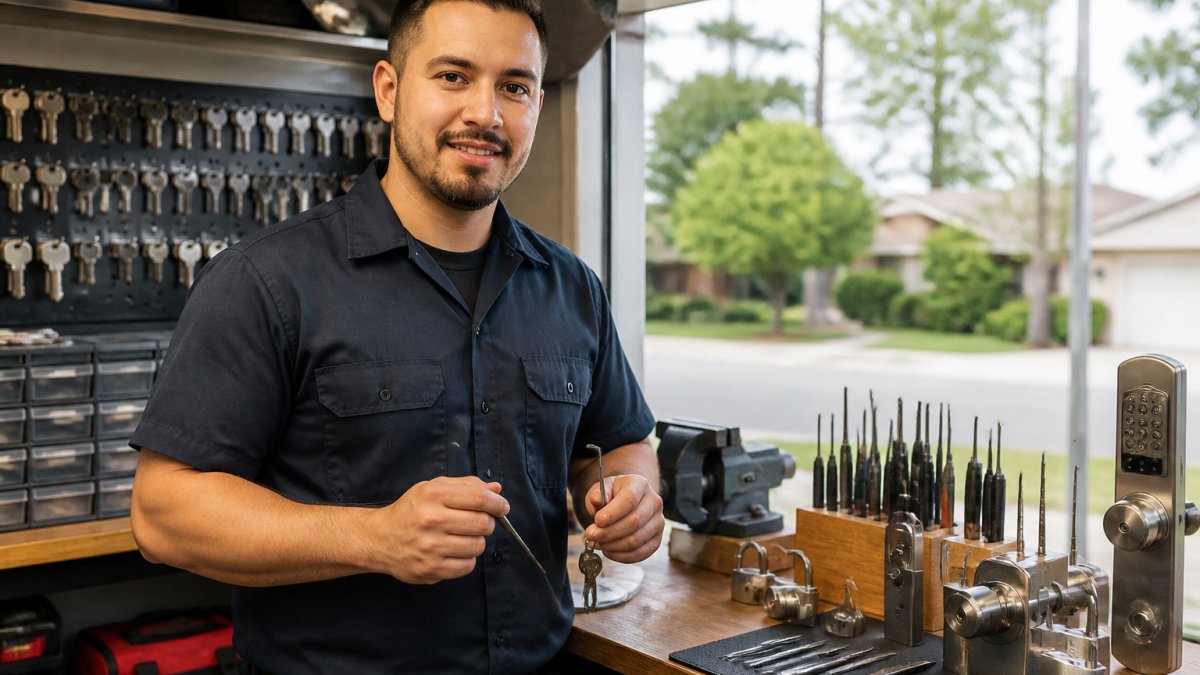
Ask for their license number and proof of insurance before they start work. A legitimate locksmith will provide this without hesitation. Check that they are bonded and insured, which protects you if damage occurs during entry. Look for a physical business address and verified reviews. BDS Locksmith is licensed, bonded, and insured, and Benjamin, the owner and operator, is a recognized Bay Area Top Gun winner with first prize at a lockpicking contest.
Will my homeowners insurance cover emergency lockout services?
Some homeowners insurance policies include coverage for emergency lockout services as part of loss of use or additional living expenses, but coverage varies widely. Check your policy or call your insurance provider to confirm. Many policies require you to pay upfront and file for reimbursement. Keep your receipt and any documentation from the locksmith. If you rent, your landlord may be responsible for lockout costs depending on your lease agreement.
Locking yourself out is stressful, but it doesn’t have to be expensive or slow. The right call is a licensed, bonded, and insured mobile locksmith who answers 24/7, quotes a fair price up front, and opens your door without damage. BDS Locksmith offers free estimates, same-day availability, and a 5% military discount, with a team that arrives on-site ready to help. Call (408) 300-4369 and get back inside fast.