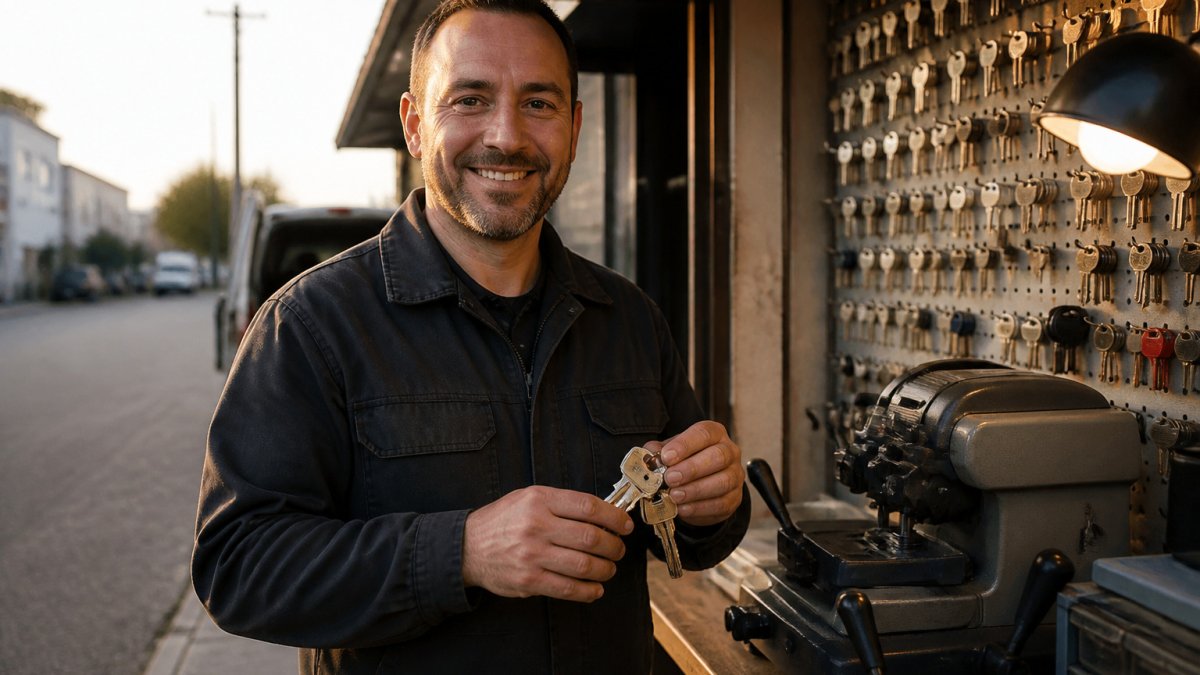
A key that turns but will not start the car can bring an ordinary day to a stop fast. So, do locksmiths repair ignitions? In many cases, yes. A qualified automotive locksmith can diagnose and repair or replace certain ignition problems right where your vehicle is parked, often saving you the cost, delay, and hassle of a tow to a dealership or repair shop.
The right solution depends on what has failed. Sometimes the issue is the key itself. Other times, worn pins inside the ignition cylinder, a damaged keyway, a steering-column problem, or an electrical starting issue is to blame. A professional locksmith can help separate a lock-and-key issue from a mechanical or electrical repair that belongs with an auto technician.
When Can a Locksmith Repair an Ignition?
Automotive locksmiths work on the mechanical security components that allow your key to operate the vehicle. That includes ignition lock cylinders, keyways, wafers or pins, and many modern keys that contain transponder chips.
If your key is difficult to insert, gets stuck, will not turn, turns only after repeated attempts, or comes out with visible wear, the ignition cylinder may be worn or damaged. A locksmith may be able to repair the cylinder, rebuild it when appropriate, or replace it with a compatible part.
Mobile ignition service is especially useful when the vehicle cannot be driven. Rather than arranging a tow and waiting at a shop, a mobile locksmith can come to your home, office, parking lot, or roadside location to inspect the problem. BDS Locksmith serves San Jose and the South Bay with on-site automotive locksmith support designed for situations like these.
Not every no-start condition is an ignition repair. If the ignition turns normally but the dashboard remains dark, the starter does not engage, or warning lights point to a larger vehicle issue, the cause may be a weak battery, starter, alternator, wiring fault, or another electrical problem. An honest locksmith should tell you when the ignition is not the source of the trouble.
Common Signs Your Ignition Needs Attention
Ignition trouble rarely appears out of nowhere. Many drivers notice small warning signs before the key stops working completely. Taking action early can reduce the chance of being stranded at the gas station, outside work, or in your own driveway.
A key that requires jiggling or extra pressure is one of the most common signs. Do not force it. Excess pressure can bend or break the key, damage the cylinder further, or leave part of the key lodged inside the ignition.
Another concern is a key that will not turn back to the off position or cannot be removed after parking. This can be related to the ignition cylinder, but it may also involve the steering wheel lock or the vehicle’s shift-interlock system. If the steering wheel is locked, gently move the wheel side to side while turning the key. If that does not work, stop trying to force it and have the vehicle inspected.
You may also have a key problem rather than an ignition problem. A badly worn key can no longer raise the internal pins or wafers to the correct positions. A locksmith can compare the key’s condition, cut a new key when possible, and test whether that solves the issue before recommending more extensive work.
Ignition Repair vs. Ignition Replacement
Repair is usually the preferred option when the cylinder can be restored safely and reliably. It may involve cleaning debris from the keyway, correcting damage caused by a broken key, replacing worn internal components, or rekeying the cylinder so one key operates the door and ignition.
Replacement becomes more likely when the ignition housing is badly damaged, the internal components have failed beyond repair, a previous break-in damaged the keyway, or the correct repair parts are unavailable. On many vehicles, installing a replacement cylinder also means addressing the keys. The new cylinder may need to be rekeyed, or a new key may need programming to work with the vehicle’s immobilizer system.
This is where experience matters. Replacing an ignition without considering the transponder chip, remote functions, and door locks can leave a driver with multiple keys or a key that physically turns but will not start the car. A qualified automotive locksmith should explain the practical options before starting the work.
What Happens During a Mobile Ignition Service?
A proper service call starts with verification of vehicle ownership and a close look at the symptoms. The technician will check whether the key inserts and turns, inspect for visible damage, and determine whether the problem is mechanical, key-related, or likely outside the ignition system.
If the ignition cylinder is the issue, the locksmith may remove the damaged component, repair it or install a replacement, and test the new setup. For vehicles with transponder keys or smart keys, the technician may also cut and program a working key. The goal is not simply to get the cylinder to turn. The goal is to make sure the vehicle starts properly and that the key works as expected.
The time required varies. A worn-key issue may be resolved relatively quickly, while a damaged ignition on a newer vehicle with programming requirements can take longer. Make, model, year, parts availability, prior damage, and the vehicle’s security system all affect the job.
Before approving work, ask for a clear estimate that explains the service call, labor, parts, and key programming if needed. Transparent pricing matters most when you are already dealing with a vehicle that will not start.
What You Should Not Do With a Failing Ignition
It is tempting to keep trying when you need to leave, but forcing the key is usually the expensive choice. Avoid using pliers, screwdrivers, lubricants not made for locks, or excessive pressure. These shortcuts can damage the cylinder, break the key, and make a repair more complicated.
Do not assume a copied key is as accurate as the original, either. Low-quality duplicate keys can contribute to ignition wear or fail to operate a worn cylinder. If your key looks rounded, bent, cracked, or heavily worn, have a locksmith evaluate it before it becomes an emergency.
If the key breaks inside the ignition, do not try to pull the piece out with a paper clip or similar tool. Pushing it deeper can damage delicate internal parts. A locksmith can extract the broken piece and assess whether the cylinder still needs repair.
Do Locksmiths Repair Ignitions on All Vehicles?
Locksmiths can service many domestic and foreign vehicles, but coverage is not identical for every make and model. Some vehicles use complex electronic steering locks, highly restricted keys, or manufacturer-specific components that require dealer involvement. Older vehicles may have discontinued parts. Certain ignition failures may also be tied to a broader steering-column or electrical repair.
That does not mean you should assume a dealership is your only option. A mobile locksmith can often diagnose the issue first, explain what can be handled on site, and provide a realistic recommendation. In many cases, the convenience of mobile service means no tow, no waiting room, and no need to take time off work for a simple ignition-cylinder or key issue.
Can a locksmith make a key if the ignition is damaged?
Often, yes. Depending on the vehicle and condition of the ignition, a locksmith may create a new key from the lock, the vehicle’s key code, or existing key information. If your vehicle uses a transponder or smart key, programming may also be required.
Will a new ignition mean I need a different key for the doors?
Not always. A locksmith may be able to rekey a replacement ignition to match your existing door key. Whether this is possible depends on the vehicle, replacement part, and condition of the original key.
Is it safe to drive with ignition problems?
If the key is sticking, the vehicle intermittently loses power, or the ignition will not reliably return to the off position, arrange service as soon as possible. A minor issue can become a complete no-start or leave you stuck away from home.
When your ignition starts acting up, treat the early signs as a reason to get help, not a challenge to overcome with more force. A prompt, on-site inspection can protect your key, your vehicle, and your schedule.