Last Updated: November 15, 2026
Quick Summary
Emergency lockout costs depend mainly on the time of day, the type of lock, and whether the door can be opened without damage. Standard residential lockouts are usually the simplest and least expensive, while high-security locks, smart locks, and after-hours calls raise the price. Ask for an itemized estimate before the technician begins.
- Ask whether the quote covers standard, emergency, or night and holiday rates.
- Smart locks and high-security cylinders often cost more because they may need extra diagnosis or drilling.
- After-hours and weekend surcharges are common, so confirm them before booking.
- Ask whether the price assumes non-destructive entry or includes drilling and replacement.
- Check whether your renter’s insurance or a credit card benefit may cover the cost.
Table of Contents
- What an Emergency Apartment Lockout Typically Costs
- Standard vs. Emergency vs. Night and Holiday Service Rates
- Emergency Locksmith Service Fees Explained
- How Lock Type and Door Condition Change the Price
- Locksmith After-Hours Surcharge and Weekend Rates
- How to Avoid Locksmith Scams and Quote Inflation
- Insurance, Renter’s Coverage and Who Pays for Damage
- Verifying a Licensed, Insured Locksmith Before They Arrive
- Checklist Before You Call and Booking Your Emergency Visit
- Frequently Asked Questions
What an Emergency Apartment Lockout Typically Costs
Locked out of your apartment at night? The cost of an emergency apartment lockout usually depends on the time of day, the lock involved, and whether the door can be opened without damage. Many renters find that the first quote they hear is only the starting point, so it helps to know what drives the final bill before you call.
BDS Locksmith serves homeowners, renters and property managers across the South Bay Area, and we handle emergency lockouts around the clock.
A standard residential lockout is typically the simplest call. A technician arrives, opens the door using non-destructive methods, and leaves. Costs rise when the lock is high-security, the door is damaged, or the call comes after hours. Pricing depends on those factors, so we recommend asking for a clear estimate on the phone and confirming it before any work begins. For current pricing details, visit the BDS Locksmith website or call us directly.
Standard vs. Emergency vs. Night and Holiday Service Rates
Locksmith calls are usually grouped into three service windows: standard business hours, emergency response, and night or holiday service. The difference matters because each window carries its own labor and dispatch expectations.
Standard service covers scheduled work during normal hours, such as rekeying a unit after a move-in or installing a deadbolt. Emergency service means a technician is dispatched immediately to a lockout, often within a short window. Night and holiday calls add the cost of staffing outside regular hours. Because after-hours dispatch can raise the bill, comparing the emergency home lockout cost with standard service helps clarify what the added urgency entails.
Ask which window applies to your call. A quote that sounds low may only cover standard hours, and an emergency visit at 2 a.m. on a holiday will be priced differently. Confirm the rate category when you book.
The three service windows differ in how a call is handled, so confirm which one applies before you book.
| Service window | What it covers | What to confirm |
|---|---|---|
| Standard | Scheduled work during normal hours, such as rekeying or a deadbolt install | Whether the quote is for standard hours only |
| Emergency | Immediate dispatch to a lockout, often within a short window | The arrival window and dispatch fee |
| Night and holiday | Service outside regular hours, with added staffing cost | Whether a surcharge applies to your call |
Emergency Locksmith Service Fees Explained
An emergency locksmith service fee is the charge for dispatching a technician to your location on short notice. It is separate from the labor needed to open the lock, and it covers travel, scheduling and availability.
Good providers itemize this clearly. Expect to hear the dispatch or service call fee, the labor charge for the actual opening, and any parts if a lock must be replaced. If a company gives you one vague total over the phone, ask for the breakdown before the technician leaves the truck.
BDS Locksmith offers free estimates, so you can compare what a service call will cost before committing. Our technicians are licensed, bonded and insured, and we arrive on-site to assess the lock in person.
How Lock Type and Door Condition Change the Price
The lock on your door is the single largest variable in an emergency lockout bill after the time of day. Two apartments on the same floor can produce different quotes because the hardware is different. Understanding why helps you sanity-check a quote before you agree to it.
Standard pin-tumbler deadbolt or knob lock. This is the most common residential setup: a keyed cylinder with a spring-loaded latch or a single-cylinder deadbolt. A technician can typically open it non-destructively with basic tools. Pricing for this category depends on the specific job, so ask for an estimate.
Smart locks and electronic deadbolts. Keypad and Bluetooth locks add a step because the technician cannot simply pick a keyway. Many models have a hidden mechanical override or a manufacturer reset procedure, and some require the owner’s app or a temporary code. If the battery has died, the technician may need to jump the lock or use a portable power source before any mechanical work begins. That extra diagnostic time is billable, and if the lock must be removed and reinstalled, expect a higher labor charge plus possible hardware cost.
High-security cylinders. Locks rated with restricted keyways, hardened steel inserts, or pick-resistant pins (the kind sold under brand names like Medeco, Mul-T-Lock, and similar) are designed to defeat the exact methods used on standard cylinders. In some cases a cylinder may need to be drilled and replaced. Ask upfront whether the quoted price assumes non-destructive entry. Ask upfront whether the quoted price assumes non-destructive entry or includes drilling and replacement.
Multi-point and mortise lock systems. Common in newer apartment buildings and condo conversions, these use a single handle that throws bolts at several points along the door edge. They are slower to open and less tolerant of forced entry, so the labor charge reflects the added time and risk.
Door condition matters as much as the lock. A door that closes freely and sits square in its frame can usually be opened without damage. A warped door, a swollen wood frame, a broken strike plate, or a lock that has been forced before changes the job. In those cases the technician may need to remove the lock, manipulate the latch from the gap, or in the worst case damage the door to get in. Mention any visible damage, recent forced entry, or a door that sticks when you call, because it changes both the method and the estimate.
What to tell the dispatcher. Be specific: say whether you have a keyed deadbolt, a keypad smart lock, a key fob system, or a mortise handle, and name the brand if you know it. Note whether the door is wood, metal, or fiberglass, and whether it has a chain or secondary latch engaged. Accurate details let the dispatcher quote a realistic range instead of a low teaser number that grows on arrival.
Watch out: a quote that sounds unusually low for a high-security or smart lock is often a sign the company plans to drill first and bill for replacement later. Ask directly whether the price covers non-destructive entry and what a replacement cylinder would add.
Locksmith After-Hours Surcharge and Weekend Rates
An after-hours surcharge is an added fee for service outside regular business hours. Weekend and holiday calls often carry the same kind of surcharge, because technicians are working when most businesses are closed.
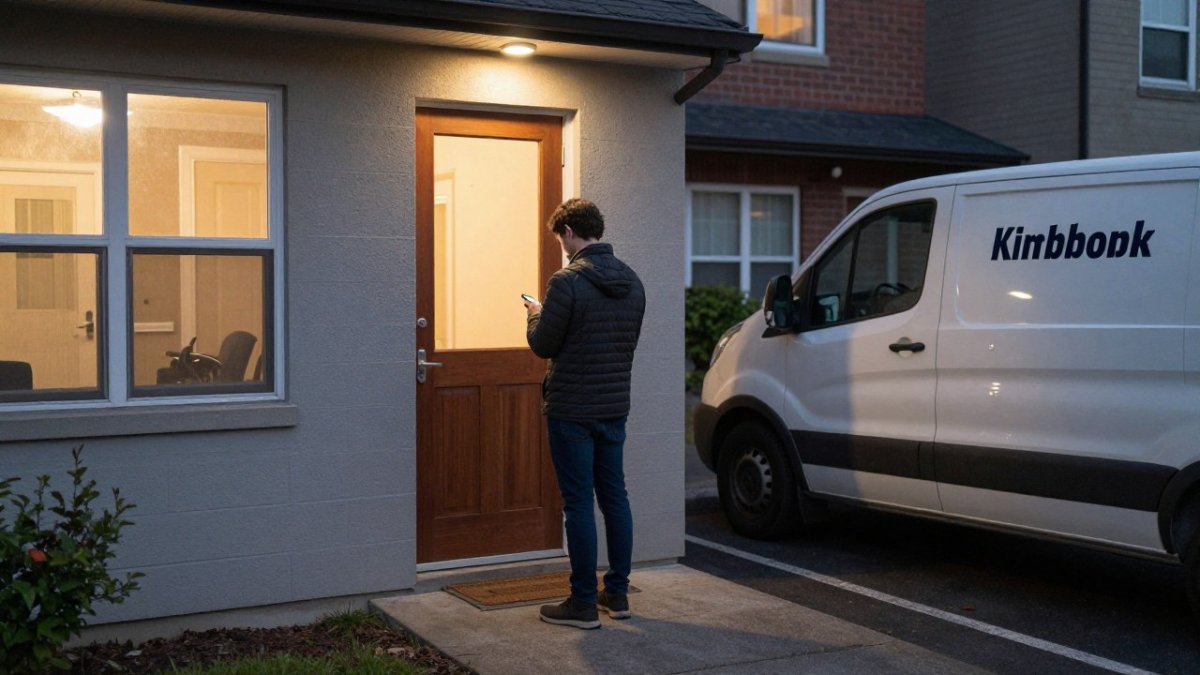
These surcharges are common and legitimate when they are disclosed upfront. What matters is that you know the surcharge exists and roughly how it applies to your call. Ask whether the quoted price includes after-hours or weekend rates, and get that answer in writing or confirmed on the booking. Read how to prevent liability and billing disputes during lockout service for more guidance.
BDS Locksmith provides 24/7 emergency services and same-day availability, so you can reach us whenever you are locked out. Our standard pricing approach is transparent, and we will explain any additional charges before we begin work.
How to Avoid Locksmith Scams and Quote Inflation
Quote inflation is one of the most common complaints renters raise about emergency locksmiths. A company advertises a low price over the phone, then adds charges on arrival. Some providers also insist on drilling a lock that could have been opened without damage, which raises the bill further.
Protect yourself by asking several questions before you agree to anything. Confirm the full price, including the service call fee, after-hours charges and any parts. Ask the technician to explain the method they plan to use. Be wary of any company that refuses to name a price until the work is finished.
Watch out: do not sign a blank authorization form or accept work that has not been priced. A reputable technician will show you identification, explain the job and confirm the total before proceeding.
Other providers vary widely in how they handle quotes, so compare at least two estimates when time allows. Ask each one for a written or confirmed total and check how they handle damage.
Insurance, Renter’s Coverage and Who Pays for Damage
Most lockout guides stop at ‘check your policy.’ That is not useful when you are standing in a hallway at midnight. Here is how the money actually works, and who is responsible for what.
Renter’s insurance. Renter’s insurance policies vary. Read your declarations page and exclusions to understand what your own policy covers before you call your insurer.
Credit card and membership benefits. Some credit cards and auto-club-style memberships bundle roadside or home-assistance benefits that include locksmith dispatch. These are usually reimbursement programs with a per-incident cap and a requirement that you call the program’s dispatch line first, not a locksmith of your choice. If you pay a locksmith directly and then try to claim, the benefit often will not apply. Check the benefit guide before you book, and if you plan to use it, call the program’s number rather than a company you found in a search result.
Landlord responsibility. In most leases the landlord owns the door and the lock, and the tenant is responsible for not damaging them. If the lock fails through normal wear, the landlord generally covers repair. If you are locked out because you lost your key, that is usually your cost. Some leases include a lockout clause with a set fee or a preferred vendor; check your lease before you call, because using the landlord’s vendor can be cheaper and avoids disputes over damage. If you rent through a property management company, ask whether they have a 24-hour maintenance line, since that call may be billed to the unit rather than to you.
Who pays for damage during entry. If a technician damages the door or lock while opening it, responsibility depends on whether the damage was avoidable. Verifying that a locksmith is licensed and insured is worth doing before work begins. If the technician warned you that drilling was necessary and you approved it, the replacement cost is typically yours. Get the method and any damage risk confirmed before the work starts, and keep the invoice showing what was authorized.
Documentation to keep. Save the itemized invoice, the receipt showing payment, the technician’s license or company name, and a photo of the door and lock before and after the work. If you file an insurance claim, request reimbursement from a landlord, or dispute a charge on a credit card, those records are what the reviewer will ask for. A written estimate confirmed before the job is the strongest single document you can hold.
What proof of residency a locksmith may require. This is the part most guides skip. A reputable locksmith will not open a door for just anyone who claims to live there. Reputable locksmiths generally ask for proof of residency before opening a door, such as a government-issued photo ID and a document showing your name at that address. Have these ready before the technician arrives.
Watch out: a locksmith who opens the door with no ID check and no proof of residency is a red flag, not a convenience. It is also the pattern associated with the quote-inflation scams described above.
Verifying a Licensed, Insured Locksmith Before They Arrive
Before a technician reaches your door, you can confirm a few things that protect you. Ask whether the company is licensed where it operates, whether the technician is bonded and insured, and whether the business has a physical address and a local phone number.
Verify these details rather than taking a website’s word for it. Ask for the license number and check it against the appropriate state or local licensing records. A licensed, insured locksmith is accountable for the work, and the insurance covers damage that can occur during a lockout.
A common mistake is hiring the first company that answers the phone at midnight. Taking two minutes to ask a few verification questions can save hours of frustration and a much larger bill.
Checklist Before You Call and Booking Your Emergency Visit
Use this checklist before you book an emergency lockout visit:
- Confirm the full price, including service call and after-hours fees
- Ask whether the quote covers standard, emergency or night/holiday rates
- Describe your lock type (standard cylinder, deadbolt, smart lock or key fob)
- Note any door damage or warping
- Ask for the technician’s license and insurance details
- Confirm the expected arrival window
- Ask how damage to the door or lock would be handled
- Check whether your renter’s insurance may cover the cost
- Keep the invoice and receipt for your records
Once you have confirmed these details, you are ready to book. BDS Locksmith provides same-day service, mobile service on-site, and a 5% military discount. Call (408) 300-4369 to request a free estimate and schedule your visit. For local service details in your area, see our locksmith American Canyon page.
Frequently Asked Questions
How much does it cost to get locked out of an apartment?
Standard daytime and emergency apartment lockout pricing depends on the time of day and the lock involved. Final pricing depends on the time of day, how quickly the technician can reach you, the lock type and whether the door can be opened without drilling. Ask for a written estimate that lists the service call fee, labor and any surcharges before the technician starts work. Reputable providers can usually give you a clear price range over the phone and confirm the final number on arrival.
Is paying $200 for an emergency locksmith normal?
Emergency apartment lockout charges depend on the time of day and the lock involved. The total usually reflects a dispatch or service fee plus labor for entry. It becomes a concern if the final bill is much higher than the quote you received, or if the technician adds drilling or lock replacement without your approval. Confirm the scope of work before any lock is damaged so you know exactly what you are authorizing.
Are there extra fees for after-hours or weekend locksmith service?
Yes. Many locksmiths apply an after-hours surcharge, weekend rate or holiday fee on top of the standard service call. These charges are common for emergency dispatch because the technician is working outside normal schedules. Ask whether the quoted price already includes these surcharges, and request the breakdown in writing. Scheduling a non-emergency lock change during business hours can cost significantly less than an urgent call at night.
How can I avoid being overcharged by a locksmith?
Ask for a price estimate that includes the service call, labor, parts and any after-hours fee before the technician arrives. Be cautious of companies that quote a very low price on the phone and then raise it on site. Confirm the business name, a local address and a licensed, insured technician before you agree to service. Request an itemized invoice and do not sign a blank authorization.