A missing office key is not always a lock emergency. A former employee with an unreturned key, a damaged deadbolt, or a break-in attempt is different. In those situations, office lock replacement can protect your staff, equipment, records, and day-to-day operations before a small access issue becomes a larger security problem.
For businesses in San Jose and across the South Bay, the right response depends on what happened, who may have access, and whether your existing hardware still does its job. A qualified mobile locksmith can assess the lock at your location, explain practical options, and complete the work without sending you to a shop or leaving your office unsecured overnight.
When Office Lock Replacement Is the Right Call
Replacement is usually the best choice when the lock itself is damaged, outdated, unreliable, or no longer appropriate for the level of security your office needs. A key that sticks, a latch that does not catch consistently, or a cylinder that turns loosely can all be warning signs. These issues may feel manageable until an employee cannot lock up at closing time or cannot get into the office the next morning.
Replace the lock promptly after a forced-entry attempt, even if the door still closes. Prying, drilling, kicking, or pulling on a lock can weaken internal components and damage the strike area on the frame. The lock may appear functional while no longer providing dependable protection.
Office lock replacement also makes sense when you are changing the way your team uses the space. A growing office may need separate access for private offices, storage rooms, server closets, inventory areas, or employee entrances. A basic lock that worked for a small team may not be the right fit once more people, vendors, and sensitive materials are involved.
Replacement vs. Rekeying: What Is the Difference?
Many business owners ask for a replacement when rekeying would solve the immediate problem. Rekeying changes the internal pins in an existing lock so old keys stop working and new keys are issued. It is often a cost-effective option when the hardware is in good condition but keys are missing, copied, or still held by someone who should no longer have access.
Replacement means installing new hardware. It is the better option if the lock is worn out, damaged, incompatible with your door, or too low-security for the area it protects. It may also be the right move when you want to move from standard keyed entry to a keypad, restricted keyway, commercial-grade deadbolt, panic hardware, or another access solution.
The trade-off is straightforward. Rekeying is usually faster and less expensive when your existing locks are sound. Replacing locks costs more upfront, but it gives you the opportunity to correct hardware problems, improve durability, and create a better access plan for the office. An on-site assessment helps avoid paying for a full replacement when it is not needed or relying on an old lock that should have been retired.
Signs Your Office Locks Need Attention
Do not wait for a complete failure to review your office security. Locks tend to give warning signs, especially on doors used frequently by employees, customers, delivery drivers, and cleaning crews.
You should schedule service if keys need to be jiggled or forced, the door must be pushed or pulled hard to latch, the lock is difficult to turn, or employees are reporting different results with the same key. Corrosion, loose hardware, visible damage around the cylinder, and a misaligned strike plate also deserve attention.
Access changes are another reason to act quickly. If an employee leaves unexpectedly, a key ring is lost, a tenant moves out, or a contractor does not return a key, you need to know that unauthorized copies cannot open your doors. Changing the locks is not always required, but doing nothing creates an unnecessary gap in your security.
Choosing the Right Lock for an Office Door
There is no single best office lock. The front entrance of a professional office has different needs than a supply closet or a private records room. The right choice depends on the door material, the traffic level, the value of what is inside, and whether the door must meet fire and life-safety requirements.
For a main entry door, commercial-grade hardware is often worth the investment. These locks are built for repeated use and can hold up better than basic residential hardware. A deadbolt may add protection where appropriate, while a lever lock can be easier for employees and visitors to operate. For doors with high traffic, a closer and properly aligned strike plate are just as important as the lock itself.
Keypad and electronic locks can reduce the need to distribute physical keys, but they are not automatically the best answer for every business. They require code management, battery checks, and a clear plan for who can add or remove users. A traditional key system may be simpler for a small office, while restricted keys or a master key setup can make more sense for property managers and larger teams.
Sensitive areas deserve a separate discussion. Server rooms, files with personal information, medication storage, cash handling areas, and inventory rooms may need limited access that is different from the office entrance. Separating access by role helps keep daily operations practical without giving every employee a key to every door.
What Happens During a Mobile Lock Service
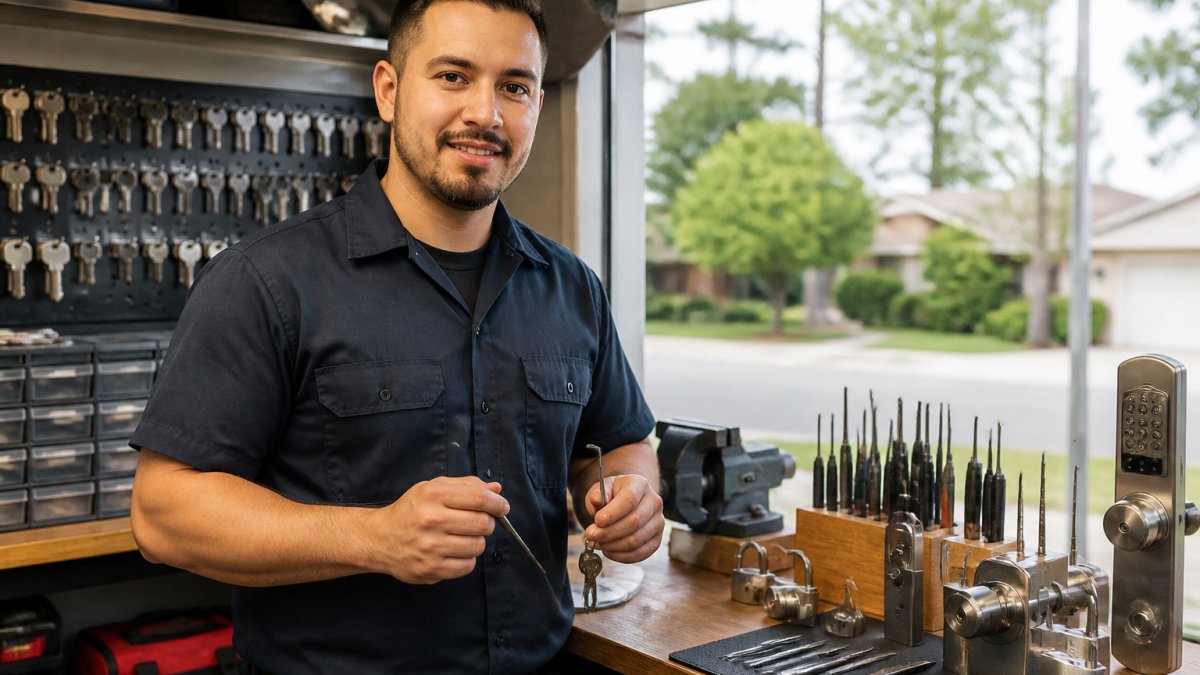
A mobile locksmith can come to your office, inspect the door and hardware, and provide a clear estimate before work begins. This is especially helpful when a lock issue affects business hours, because there is no need to remove the door hardware yourself or arrange a trip to a locksmith shop.
The technician should check more than the key cylinder. Proper office lock replacement includes looking at the door alignment, hinges, latch, strike plate, frame condition, and how the door closes. A new lock installed on a sagging door can still bind or fail early. Fixing alignment at the same time can prevent repeat service calls and frustration for your staff.
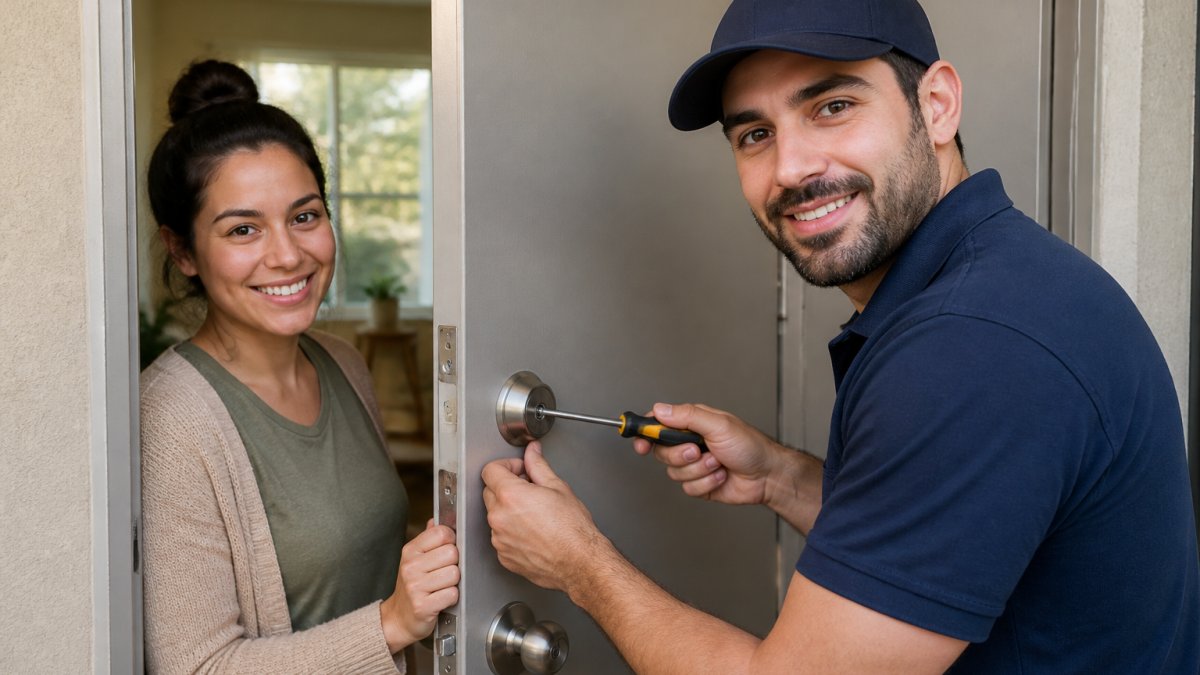
If the lock needs to be replaced, the locksmith will remove the old hardware, install the selected lock, test it from both sides, and make sure the door latches and secures correctly. Before the job is complete, confirm how many keys are being provided, who will hold them, and whether any other office doors should be keyed alike or kept separate.
BDS Locksmith provides mobile commercial locksmith service throughout San Jose and the surrounding Bay Area, with same-day and emergency support available when office access or security cannot wait. Licensed, bonded, and insured service gives business owners a dependable option when a lock problem needs a professional response on site.
Avoid Common Office Key Control Problems
A strong lock can still be undermined by loose key control. Many offices lose track of access gradually: an extra key is made for a temporary employee, a vendor receives one for convenience, or a former manager keeps a key after leaving. Months later, no one knows how many copies exist.
Assign responsibility for office keys to one person or a small group. Keep a simple record of who receives keys and when they are returned. For larger properties, consider a key system that limits unauthorized duplication or creates different access levels for managers, staff, and maintenance personnel.
It also helps to plan for the next staffing change before it happens. Decide whether your policy will be to retrieve keys, rekey the affected doors, change keypad codes, or use a combination of these steps. Having a clear process removes uncertainty when a departure is stressful or unexpected.
Questions Businesses Often Ask
Can an office lock be replaced without replacing the door?
In most cases, yes. A locksmith can often replace the lock hardware while keeping the existing door. The exception is significant damage to the door, frame, or mounting area. If the door has been forced open or is badly warped, the surrounding repairs may need to be addressed for the new lock to work properly.
Should we replace locks after an employee leaves?
It depends on whether the key was returned and how well you control copies. Rekeying is commonly enough when the hardware is in good shape. If the lock is old, damaged, or does not meet your current security needs, replacement may be the smarter long-term decision.
Can multiple office doors use one key?
Yes, many commercial locks can be keyed alike for convenience. However, not every door should necessarily use the same key. Keeping private offices, storage rooms, and sensitive areas on separate keys can provide better control if one key is lost.
A dependable office lock should let your team focus on work, not worry about whether the last person out can secure the building. If a door is sticking, a key is unaccounted for, or your access setup no longer fits the business, addressing it now can save a much harder conversation later.