Quick Summary
Insurers generally expect a complete record of what happened, what was damaged, and what the repair cost. Most adjusters look for dated proof of the incident, a licensed locksmith’s invoice, before-and-after photos of the damage, proof of ownership, and your policy number. Gathering these early helps your locksmith insurance claims move faster.
- Gather dated proof of the incident, such as a police report, photos, or a timed note.
- The locksmith’s invoice should show the work performed, parts used, and amount charged.
- Take photos before and after the repair, and keep the old lock or key for the adjuster.
- Ask for a written repair estimate before work begins, since some insurers require one.
- Report the loss promptly, because each insurer sets its own deadline for notice.
Table of Contents
- What Proof Your Insurer Expects for a Locksmith Claim
- Locksmith Insurance Claim Documents You Should Gather
- What a Locksmith Invoice for Insurance Must Include
- Photos for Property Damage Insurance Claims: Before and After
- Distinguishing Burglary Damage From Locksmith-Caused Damage
- Best Practices for Documenting Your Claim
- How to File a Locksmith Damage Claim, Step by Step
- What to Do If the Locksmith Is Uninsured or Disputes Responsibility
- Booking a Verified Locksmith Before Your Next Lockout
- Frequently Asked Questions
What Proof Your Insurer Expects for a Locksmith Claim
Last Updated: November 12, 2026
Filing a locksmith insurance claim is easier when you know what the insurer wants before you start. Most adjusters expect a clear record of what happened, what was damaged, and what the repair cost. The more complete that record, the faster the claim moves.
Think of your proof as a story told in pieces. Each piece answers one question: when the problem happened, what it looked like, who fixed it, and how much it cost. Missing one piece often slows everything down.
Customers often have a receipt but no photos, or photos but no written service record. A simple folder with both avoids most delays.
Insurers generally look for these core items:
- Dated proof of the incident, such as a police report, photos, or a written note with the time
- A licensed locksmith’s invoice showing the work performed and the amount charged
- Photos of the damage taken before and after the repair
- Proof of ownership of the property or vehicle
- Your policy number and the name of the insurer
Some insurers also ask for a repair estimate before work begins. Read whether emergency locksmith work is covered by insurance to see which proof your policy expects. If you can, ask your locksmith for a written estimate first.
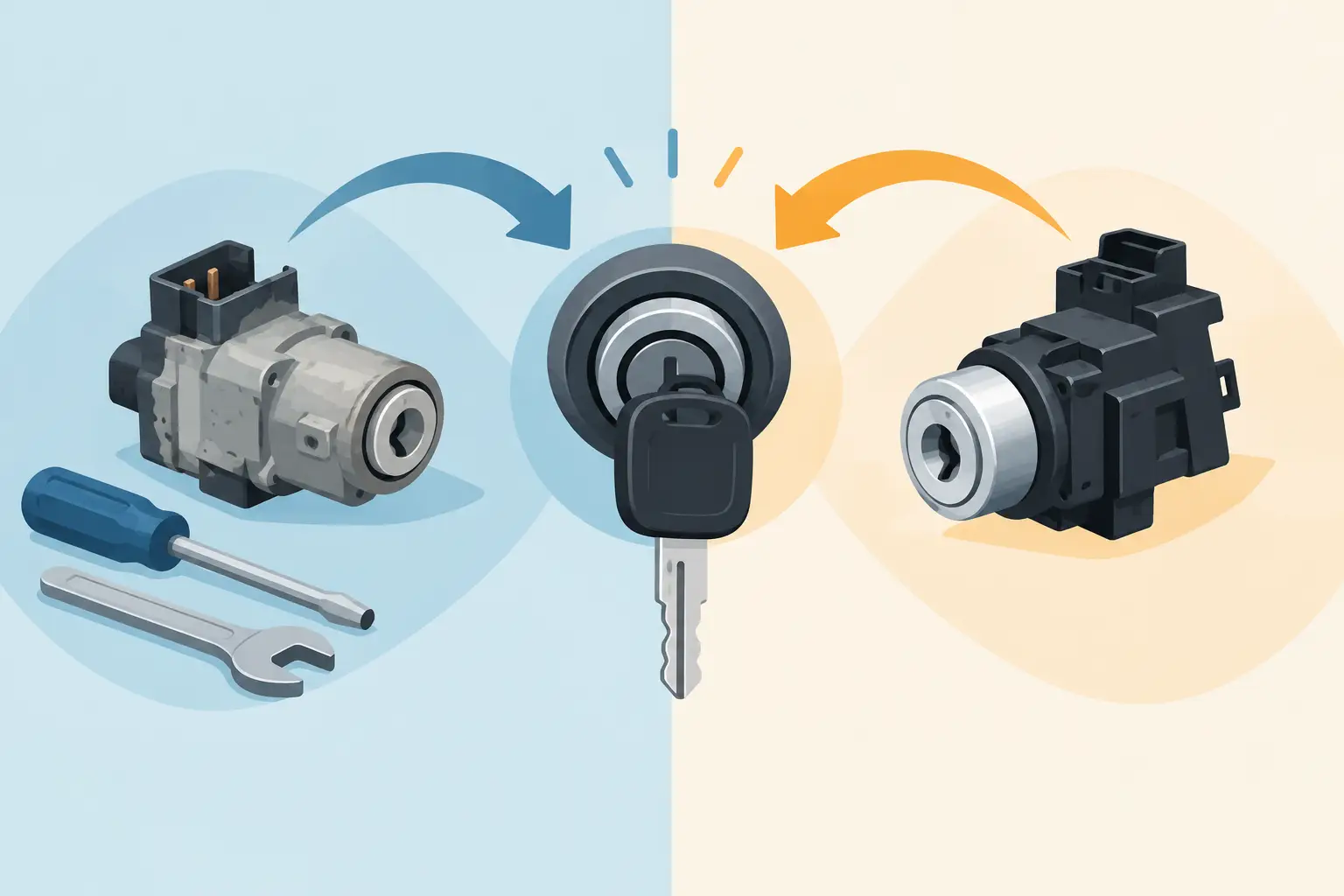
Watch out: Do not throw away the old lock or key after a repair. Many adjusters ask to see the damaged part, and it can show whether the damage came from forced entry.
The core items an insurer typically asks for are summarised below so you can check your folder before filing.
| Proof item | What it shows | Note |
|---|---|---|
| Dated proof of the incident | When the problem happened | Police report, photos, or a timed note |
| Locksmith’s invoice | Work performed and amount charged | Must come from a licensed locksmith |
| Photos of the damage | What was damaged | Take before and after the repair |
| Proof of ownership | Right to claim for the property | Property or vehicle |
| Policy number | Which policy applies | Also the insurer’s name |
| Repair estimate | Expected cost before work begins | Ask for it in writing first |
| Damaged part | Whether damage came from force | Do not discard the old lock or key |
Locksmith Insurance Claim Documents You Should Gather
Start collecting documents for your locksmith insurance claims as soon as the lockout or damage happens. Waiting makes it harder to find receipts and remember details.
Keep these documents in one place, either a physical folder or a shared digital folder:
- Your locksmith’s itemized invoice
- Photos and videos of the damage
- A police report, if one was filed
- Your insurance policy and declarations page
- Any written estimates you received
- Messages or emails with the locksmith about the work
Save the originals and make copies for your insurer. Review locksmith insurance coverage for damage for a broader overview of what to gather. Adjusters prefer clear digital copies, usually in PDF or JPG format.
Many people forget that texts and call logs can help. A message that shows the date and time you called for help supports your timeline.
What a Locksmith Invoice for Insurance Must Include
An invoice is one of the most important documents in a locksmith insurance claim. A vague bill can cause an insurer to question the charge.
A strong invoice usually shows:
- The locksmith’s business name, address, and phone number
- The locksmith’s license number, where the state requires one
- The date and time of service
- The property address where the work was done
- A clear list of each service performed, such as lock opening or lock replacement
- The parts used, with the cost of each part
- The labor charge and the total amount due
- The payment method and proof that you paid
Ask for the invoice before the technician leaves. Waiting until later can mean the business is hard to reach or the details are unclear.
Photos for Property Damage Insurance Claims: Before and After
Photos do more than show a broken lock. Adjusters use them to answer three questions at once: what was damaged, when the damage happened relative to the service call, and whether the damage is consistent with the loss described in the claim. A photo set that answers those questions is worth more than a dozen close-ups that only show a scratch.
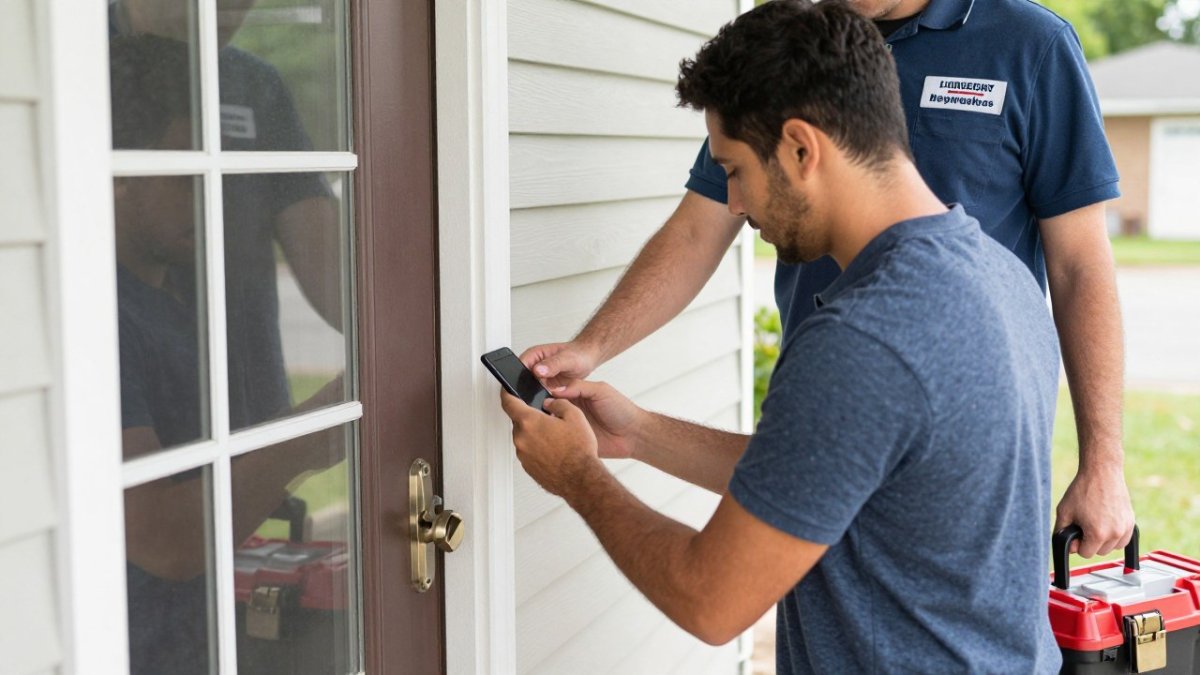
Take photos in these moments:
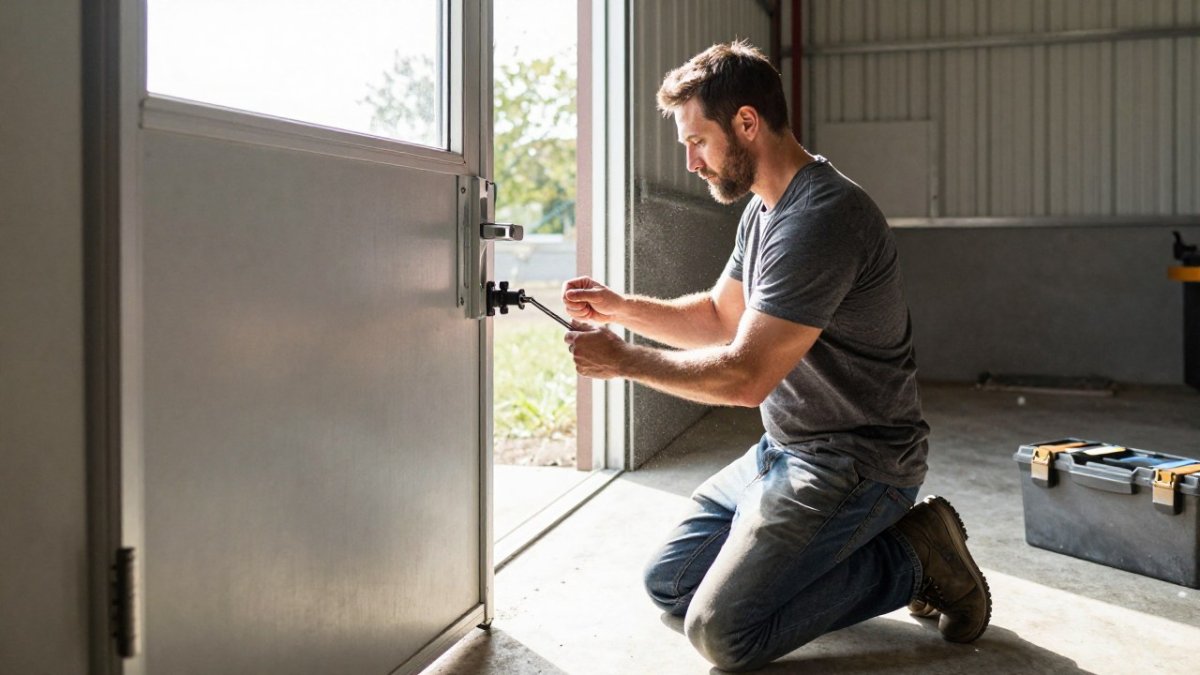
- Before the repair: Capture the damaged lock, door frame, and any scratches or pry marks. Include one wide shot of the whole door and the surrounding frame so the adjuster can see the door’s condition, the strike plate, and the jamb in context.
- During the repair: Document the tools and the work in progress, if safe to do so. A photo of the old cylinder next to the new one, both on the same surface, ties the replacement to the invoice line item.
- After the repair: Show the new lock or repaired area from the same angle as the before photos. Matching angles let an adjuster flip between the two images and see exactly what changed.
Use good light and keep the camera steady. Take a wide shot first, then close-ups. Include a ruler or coin in a close-up to show size. Turn on your phone’s date and location settings so each photo records when and where it was taken, and keep the original files rather than texting compressed versions, because metadata is often stripped in transit.
Making photos claim-ready, not just clear
A clear photo is not automatically a useful photo. Adjusters generally respond well to a set that follows a simple sequence:
- Establish the scene. One wide shot of the door, frame, and surrounding wall, taken from inside and outside if the damage is on an exterior door.
- Establish the damage. Close-ups of each damaged component, with the ruler or coin for scale.
- Establish the mechanism. A photo of the damaged hardware itself, such as a bent strike plate or a cylinder with a drilled hole, because the shape of the damage is what tells the adjuster whether it came from force or from service work.
- Establish the repair. The new hardware installed, plus the old hardware retained and photographed before disposal.
Label each photo with the date, the door or room, and whether it was taken before or after the repair. A simple naming convention, such as 2026-11-12_front-door_before-01.jpg, keeps the set organized when you upload it.
Watch out: Do not clean up, paint over, or replace the damaged hardware before photographing it. Once the pry marks or splintered jamb are gone, the adjuster has no way to confirm the mechanism of damage, and the claim can stall on a question a single photo would have answered.
Photos that help distinguish timing
Insurers often need to know whether damage existed before the locksmith arrived or was caused during the service. Photos taken at the start of the visit, before any tool touches the lock, are the strongest evidence of the pre-service condition. If you are the property owner, ask the technician to pause for a moment while you photograph the door as you found it. If you are the locksmith, build that pause into your routine and keep the images with the job file. Either way, the goal is a timestamped record of the door’s condition at the moment service began, because that single frame often decides which party’s coverage responds.
Distinguishing Burglary Damage From Locksmith-Caused Damage
Insurers often ask whether damage came from a break-in or from the locksmith’s work. The answer changes how the claim is handled, so the evidence matters. The practical problem is that both events can leave marks on the same door, sometimes within hours of each other, and the adjuster is trying to reconstruct a sequence from hardware alone.
Burglary damage often shows clear signs of forced entry, such as a door frame split at the strike plate or a lock body pried out. Locksmith work usually leaves cleaner, more controlled marks. But the marks are only half the story. The other half is the record that places each mark in time.
Signs of forced entry versus service-related marks
Signs of forced entry usually include:
- Splintered wood around the door frame, especially at the strike plate and jamb
- Bent or broken strike plates, or screws pulled out of the jamb
- Pry marks on the door edge or jamb, often in a cluster where a tool was worked back and forth
- Multiple damaged points on the same door, consistent with repeated attempts
- A cylinder that is bent, twisted, or pushed inward rather than cleanly drilled
Service-related marks usually include:
- Small, neat scratches on the lock face from picking or drilling
- A single drilled hole or cylinder replaced in one spot, with the surrounding face plate intact
- Tool marks that match the repair performed, such as a fresh cut on a cylinder that was drilled for removal
- Hardware that was removed and reinstalled with the same screws and no fresh splintering
A clear invoice that notes what work was done and why helps the adjuster tell the two apart, and it is stronger when paired with a timestamped photo of the door as found and a short written description of the mechanism used.
Building a sequence the adjuster can follow
The goal is not to argue about marks but to lay out a timeline the adjuster can verify. A claim-ready sequence usually includes:
- The condition before service. A timestamped photo of the door as found, plus any police report or incident number if a break-in was reported.
- The service record. The invoice showing the date, time, mechanism used, and parts replaced, with the locksmith’s license number where the state requires one.
- The condition after service. Photos of the repaired door and the retained old hardware, so the adjuster can compare the damage in the before photo with the hardware that was removed.
- The communications. Texts, emails, or call logs that show when you first noticed the problem and when you called for help.
When those four pieces line up, the adjuster can usually place the damage on one side of the service call. When they do not, the claim tends to bounce between the property insurer and the locksmith’s liability insurer, and each may wait for the other to decide.
Watch out: Do not discard the damaged cylinder, strike plate, or screws after the repair. The physical hardware is often the only evidence that shows whether the damage was caused by force or by service work, and once it is in a dumpster the adjuster is left comparing photos to a memory.
When the locksmith disputes responsibility
Sometimes the marks are ambiguous, or the locksmith disputes that the damage was their fault. This is where the distinction between burglary and service damage becomes a coverage question rather than a hardware question.
A practical path is to keep the two claims separate in your own records. Report the loss to your property insurer with the full evidence set, and separately send the locksmith a written, dated notice describing the damage, the cost, and the evidence you are relying on. Ask the locksmith for their insurer’s name and policy number, and keep a copy of that request. If the locksmith is uninsured or does not respond, your own insurer may handle the loss and then pursue the locksmith, but that decision depends on your policy and the facts, so ask the adjuster directly rather than assuming.
If the dispute continues, your state’s consumer protection office or licensing board may be able to help. Many states license locksmiths, so the board can confirm whether the business is registered and whether a complaint has been filed before. A written complaint with photos and the invoice attached is more useful to a board than a phone call, because it creates a record the board can act on.
Best Practices for Documenting Your Claim
Good documentation makes a claim easier to approve. Follow these habits from the start:
- Write down the date, time, and what happened while it is fresh
- Keep every receipt, even small ones
- Store digital copies in two places, such as a phone and a cloud folder
- Label photos with the date and the room or door they show
- Save all messages with your locksmith and insurer
- Keep a simple log of each call you make to the insurance company, with the name of the person you spoke with
A short log is often the difference between a smooth claim and a stalled one. Note the date, the reason for the call, and what the adjuster asked you to send.
How to File a Locksmith Damage Claim, Step by Step
Filing a claim goes faster when you follow a clear order. Use these steps:
- Call your insurer as soon as it is safe, and report the incident.
- Gather your documents, including the invoice, photos, and any police report.
- Submit a written claim through your insurer’s portal or by mail.
- Send the evidence with a short cover note that lists what is included.
- Keep copies of everything you send.
- Follow up every few days until the claim is confirmed.
Claim timelines, deadlines, and evidence preservation
Each insurer sets its own deadline for reporting a loss, so check your policy soon after the incident. Many policies require prompt notice, and waiting too long can put coverage at risk.
Preserve the evidence until the claim closes. Do not repair or discard the damaged part until the adjuster has seen it or agreed that you may proceed.
What to Do If the Locksmith Is Uninsured or Disputes Responsibility
Sometimes a locksmith is not insured, or disputes that the damage was their fault. This can leave you paying for repairs yourself.
Take these steps: See what to do if a locksmith damages your door for guidance on each step.
- Ask for proof of insurance and a license number before work starts
- Write down what the locksmith says about the damage, including the date
- Get a second opinion from another licensed locksmith or a repair shop
- Send a written, dated complaint to the locksmith describing the damage and the cost
- Contact your own insurer and ask whether your policy covers the loss
If the dispute continues, your state’s consumer protection office or licensing board may be able to help. Many states license locksmiths, so the board can confirm whether the business is registered.
Pro tip: Check a locksmith’s credentials before you hire them. A licensed, insured locksmith should be able to show proof on request. Verify a locksmith’s license and insurance before you book and confirm the details ahead of time.
Booking a Verified Locksmith Before Your Next Lockout
The best claim is the one you never need. Choose a licensed, insured locksmith before an emergency happens.
When you call, ask the locksmith to confirm their license number, insurance, and whether they provide itemized invoices. A reputable business will answer these questions without hesitation.
BDS Locksmith is licensed, bonded, and insured, and offers free estimates so you know the cost before work begins. For a verified locksmith in the South Bay Area, you can reach us at (408) 300-4369.
Frequently Asked Questions
What proof do I need for a locksmith insurance claim?
Most insurers ask for a dated, itemized locksmith invoice, before and after photos of the damaged lock or door, a written description of what happened, and an incident or police report if the damage involved a break-in. Keep the original receipts, any repair estimates, and records of the locksmith’s license and insurance details. Submit copies rather than originals, and keep a complete file in case the adjuster requests more evidence. Contact your insurer early to confirm its specific documentation requirements.
Will insurance pay for a locksmith?
Coverage depends on your policy and the reason you needed the locksmith. Homeowners policies often cover emergency lock repair or replacement after a burglary or other covered loss, but a simple lockout where no damage occurred is usually not covered. Review your policy’s coverage for lock repair, and ask your insurer whether a specific service qualifies before you pay for it. Save every invoice so you can file a claim if coverage applies.
Can I file a claim if a locksmith damages my door or lock?
Yes, in many cases. Document the damage immediately with photos, get a written statement from the locksmith describing what happened, and request a repair invoice. Check whether the locksmith carries general liability insurance, since that coverage is designed to pay for damage caused during service. If the locksmith is uninsured or disputes responsibility, your own homeowners policy may still respond, and you can ask the locksmith to reimburse the repair cost directly.
How soon should I contact my insurer after locksmith-related damage?
Contact your insurer as soon as practical, ideally within a few days of the damage, and always within the deadline stated in your policy. Prompt notice helps you avoid disputes over late reporting and keeps evidence fresh. Preserve the damaged lock or door until the adjuster has had a chance to inspect it, and avoid repairs that remove evidence before the claim is documented.