Table of Contents
- What Commercial Locksmith Services Actually Cover
- Master Key Systems for Business: Design and Benefits
- Access Control Systems and Electronic Locks
- How to Vet a Commercial Locksmith: Checklist for Business Owners
- Commercial Locksmith Services Cost: What to Expect
- High-Security Locks and Door Hardware for Commercial Properties
- Compliance and ADA Requirements for Business Locks
- Emergency Lockout Assistance and Same-Day Response
- Maintenance Schedules for High-Traffic Commercial Doors
- Safe and Vault Services for Asset Protection
- Why Hire a Professional Commercial Locksmith
- Frequently Asked Questions
Last Updated: September 27, 2026
What Commercial Locksmith Services Actually Cover
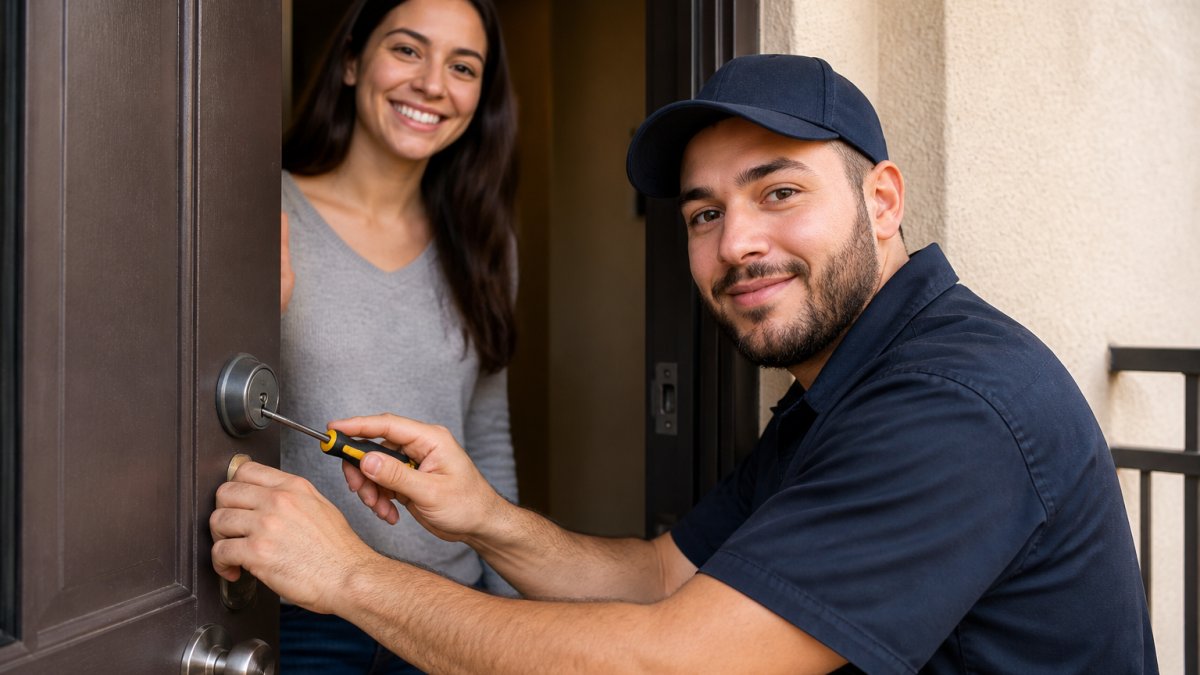
When you think of a commercial locksmith, the image that comes to mind is probably someone showing up to unlock a door after hours. That’s part of it, but it’s nowhere near the whole picture. A professional commercial locksmith business provides far more than emergency access, they’re security architects for your property.
A commercial locksmith business handles everything from installing high-security lock systems to designing master key hierarchies that scale across multiple locations. They assess vulnerabilities, recommend hardware upgrades, and ensure your access control aligns with compliance requirements. This is specialized work that goes well beyond residential locksmith services.
The scope of commercial locksmith services includes lock installation and rekeying, master key system design, access control system integration, emergency lockout assistance, safe and vault services, and ongoing maintenance for high-traffic doors. Each service addresses a specific security need. For instance, BDS Locksmith provides on-site evaluations to identify which services your business actually needs.
Beyond Emergency Lockouts
Yes, emergency lockouts happen. A door locks behind an employee, a key breaks in the mechanism, or a tenant loses access. But treating a commercial locksmith as only an emergency service misses the strategic value they bring.
Preventive security work is where the real benefit lies. Regular maintenance on door closers, panic bars, and electronic systems prevents failures that could shut down operations. Master key system audits ensure that your key control hasn’t degraded over time. Access control reviews catch configuration drift before it becomes a security liability. These proactive services cost far less than responding to emergencies or security breaches after the fact.
Professional locksmiths also handle transitions, when staff leave, when you relocate, when you acquire new properties. They manage the credential verification and rekeying process so you’re not juggling dozens of keys or wondering who still has access to old locations. This operational continuity is something in-house staff typically can’t manage at scale.
Master Key Systems for Business: Design and Benefits
A master key system is one of the most misunderstood security tools in commercial properties. It’s not just “one key that opens everything.” It’s a hierarchical structure that grants different access levels to different people while maintaining security at each level.
The core benefit is operational efficiency combined with security control. Instead of managing hundreds of individual keys, you have a structured system where managers hold master keys, department heads hold sub-master keys, and staff hold keys only to their assigned areas. When someone leaves, you rekey one lock rather than replacing dozens of keys across the organization.
How Master Key Hierarchies Work
A master key system operates on a principle of controlled access tiers. At the top is the grand master key, which opens everything. Below that are master keys for specific zones or departments, then sub-master keys for smaller sections, and finally individual keys for specific locks.
The mechanics rely on pin configuration inside the lock cylinder. A locksmith designs the pin stacks so that multiple key profiles can operate the same lock, the master key works because its cuts align with the master pins, while individual keys work by aligning with different pin combinations. This is why master key systems must be designed correctly from the start; retrofitting them into existing locks is either impossible or creates security vulnerabilities.
The practical workflow is straightforward. A facilities manager holds the grand master key for emergencies and building-wide access. A department head holds the master key for their section. Individual employees hold keys only to the rooms they need. When an employee leaves, you rekey only their lock, not the entire system. When a department relocates, you adjust the master key configuration without replacing hardware.
Scalability Across Multi-Location Operations
Multi-location businesses face a unique challenge: maintaining consistent security while allowing local autonomy. A master key system designed for multiple properties solves this problem.
A properly designed system lets corporate hold a grand master key to all locations while each location manager holds a master key only for their site. This means corporate can access any facility in an emergency, but day-to-day operations stay decentralized. Adding new locations is straightforward because the system scales horizontally, each new property gets integrated into the hierarchy without affecting existing ones.
BDS Locksmith designs these systems to grow with your business, so you’re not rebuilding the entire structure every time you expand.
Access Control Systems and Electronic Locks
The locksmith industry has shifted significantly toward electronic access control. Traditional mechanical locks are still essential for certain applications, but electronic systems offer capabilities that mechanical locks simply cannot match: audit trails of who accessed what and when, remote access management, integration with building automation, and the ability to revoke access instantly without rekeying.
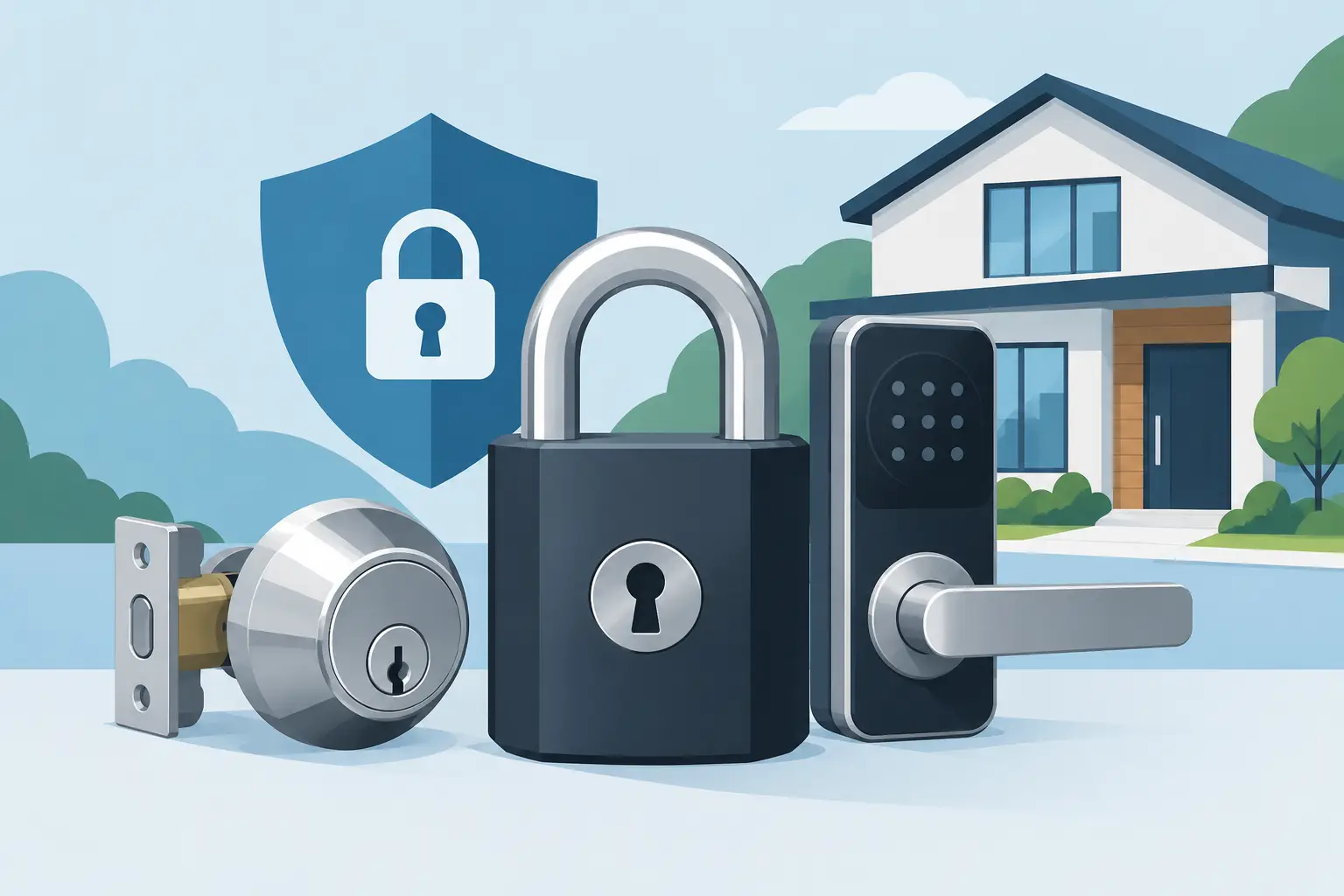
Electronic systems range from simple keypad locks on individual doors to comprehensive building-wide access control platforms. A keypad lock requires no key, users enter a code to gain access. Magnetic locks work with card readers or fobs. Biometric systems use fingerprints or facial recognition. Smart locks integrate with mobile apps and cloud management platforms.
Mechanical vs. Electronic: Cost-Benefit Analysis
The decision between mechanical and electronic locks often comes down to your specific use case, not a blanket rule about which is “better.”
Mechanical locks have lower upfront costs, require no power or network connection, and have been proven over centuries. They’re simple, durable, and work everywhere. The trade-off is that you have no audit trail of who accessed what, rekeying is required when staff leave, and you can’t revoke access remotely. For small businesses or low-security areas, mechanical locks are appropriate and cost-effective.
Electronic locks offer granular access control, real-time audit logs, and remote management. You can grant temporary access codes, receive alerts when specific doors are opened, and integrate with your building’s security system. The downsides are higher initial cost, ongoing power and network requirements, and greater complexity in maintenance and troubleshooting. If the power fails or the network goes down, some electronic systems become inaccessible unless they have mechanical override options.
The practical approach is hybrid: use electronic systems for high-security areas, main entrances, and areas where audit trails matter, and use mechanical locks for lower-risk areas or backup access points. This balances cost, security, and operational needs. A professional commercial locksmith assessment determines which areas benefit most from electronic control.
How to Vet a Commercial Locksmith: Checklist for Business Owners
Choosing the wrong locksmith can cost you far more than the service itself. A technician who doesn’t understand commercial security requirements might install inadequate hardware, miss compliance issues, or create vulnerabilities in your access control system. This is why vetting is critical.

Start with three core questions: Are they licensed and insured? Can they provide references from other businesses? Do they understand your specific security requirements? The answers to these questions separate qualified professionals from amateurs.
Credentials That Matter
Licensing is non-negotiable. A licensed locksmith has passed background checks, demonstrated technical competency, and is accountable to regulatory oversight. Ask to see the license before they begin work. Many states require locksmiths to pass exams covering lock mechanisms, security principles, and legal requirements. Some require continuing education to maintain licensure.
Insurance is equally important. General liability insurance protects you if the locksmith damages your property. Workers’ compensation insurance protects them if they’re injured on your property. Bonding provides financial recourse if they steal from you or perform substandard work. A legitimate commercial locksmith carries all three. Ask for proof of current coverage, don’t accept verbal assurances.
References from other businesses are your strongest indicator of reliability. Ask specifically about responsiveness, quality of work, and whether the locksmith understood their security needs. A locksmith who can provide three references from similar-sized businesses is worth serious consideration.
Red Flags to Watch
Avoid locksmiths who quote prices over the phone without assessing your property. Security requirements vary dramatically based on your specific setup, and a legitimate professional needs to see your doors, locks, and access patterns before providing accurate pricing.
Be wary of locksmiths who pressure you into unnecessary upgrades. A common tactic is to recommend replacing every lock in your building when selective rekeying or targeted upgrades would suffice. A professional locksmith recommends solutions that match your actual security needs, not their revenue goals.
Locksmiths who won’t provide written estimates or contracts are a significant risk. You need documentation of what work will be performed, what hardware will be installed, and what the total cost will be. Verbal agreements lead to disputes when the final bill arrives.
If a locksmith can’t explain their recommendations in terms you understand, that’s a problem. Security concepts aren’t inherently complex, a qualified professional can explain why they’re recommending a specific approach without resorting to jargon. If they’re being evasive or dismissive of your questions, find someone else.
Commercial Locksmith Services Cost: What to Expect
Pricing for commercial locksmith services varies based on the scope of work, the hardware involved, and the complexity of your security requirements. Understanding the cost structure and the value delivered helps you evaluate whether quotes are reasonable and identify potential hidden fees.
Typical Pricing Ranges by Service Type
Service Call and Emergency Response: A standard service call typically includes a minimum charge, which covers the locksmith’s travel time and initial assessment. Emergency calls outside standard business hours (evenings, weekends, holidays) often include surcharges above the base rate. Same-day emergency lockout assistance might cost more depending on the complexity and time of day.
Lock Rekeying: Rekeying a single lock (changing the internal pins so existing keys no longer work) depends on lock type and complexity. High-security locks or master key system rekeying costs more because the work is more complex.
Lock Installation: Installing a new lock on an existing door costs in labor, plus the cost of the hardware itself. A standard commercial deadbolt and a high-security lock have different costs.
Pricing Models Explained
Hourly Rates: Some locksmiths charge hourly labor plus materials. This model works for complex jobs where the scope is uncertain, but it can lead to higher costs if the work takes longer than expected. Always ask for an estimate of how many hours the job will take.
Hidden Fees and Cost Traps
Request itemized quotes that break down labor, materials, and any additional charges separately. Common hidden fees include:
- Travel Fees: Some locksmiths charge for travel beyond a certain radius. Clarify whether travel is included in the service call minimum or charged separately.
- After-Hours Surcharges: Emergency calls outside 8 AM-5 PM weekdays often incur surcharges. Confirm the surcharge percentage before authorizing emergency service.
- Material Handling or Delivery Fees: Some locksmiths charge extra to deliver hardware or handle special materials. This should be itemized separately.
- Rush Fees: If you need work completed the same day or within a specific timeframe, some locksmiths charge rush fees. Plan ahead to avoid these costs.
- Hardware Markup: Some locksmiths quote labor separately from hardware, then mark up hardware significantly. Compare the hardware cost to retail pricing to verify it’s reasonable.
Evaluating Cost Against Security Benefit
Preventive Maintenance ROI: Spending annually on maintenance (quarterly inspections, hardware adjustment, component replacement) prevents emergency lockout costs and extends hardware life. Over a period, preventive maintenance saves money and prevents operational disruptions.
Getting Accurate Quotes
A professional commercial locksmith provides free estimates after assessing your property. During the assessment, they:
- Inspect all doors, locks, and access points
- Identify security vulnerabilities and compliance gaps
- Recommend specific hardware and solutions
- Provide itemized pricing for labor and materials
- Explain the rationale for their recommendations
High-Security Locks and Door Hardware for Commercial Properties
High-security locks are engineered to resist common attack methods: picking, bumping, drilling, and forced entry. They’re more expensive than standard locks but appropriate for properties storing valuables, sensitive information, or serving high-risk functions.
Compliance and ADA Requirements for Business Locks
Your security system must comply with building codes, fire codes, and accessibility standards. Overlooking these requirements can result in fines, liability if someone is injured, and forced retrofitting that costs far more than doing it right initially.
Fire Code Requirements
Emergency Exit Access: Doors serving as emergency exits must be unlocked from the inside without a key, tool, or special knowledge. This means electronic locks on emergency exits must have mechanical override options or battery backup to remain operational during power failures. Magnetic locks commonly used on main entrances cannot be the sole lock on an emergency exit.
ADA Accessibility Standards
The Americans with Disabilities Act (ADA) Accessibility Guidelines (ADAAG) specify how locks and door hardware must function for people with disabilities. These requirements apply to all commercial properties open to the public and many private facilities.
Practical Compliance Checklist
When assessing your commercial property, verify:
- Emergency exits have panic hardware (if required by occupancy type) and mechanical override on electronic locks
- No locks require keys to exit from inside the building
- Door opening force does not exceed five pounds at the handle
- Door handles and hardware are operable with one hand without tight grasping
- Electronic locks have battery backup or mechanical override
- Door closers are adjusted to close doors without slamming
- Access control systems do not delay emergency egress
- Signage clearly marks emergency exits and routes
A professional commercial locksmith understands these requirements and designs systems that meet them. During the assessment phase, they identify compliance gaps, recommend corrections, and ensure your property is secure, accessible, and legally compliant. Non-compliance can result in fines from building inspectors, liability claims if someone is injured due to inaccessible or non-functional locks, and forced retrofitting that disrupts operations and costs significantly more than planning for compliance upfront.
Emergency Lockout Assistance and Same-Day Response
Commercial properties operate on tight schedules. When a lockout occurs, whether it’s a key broken in a lock, an employee locked out, or a lost key, every minute of downtime costs money and disrupts operations.
Maintenance Schedules for High-Traffic Commercial Doors
High-traffic doors experience wear that can degrade security and create operational problems. A maintenance schedule prevents failures and extends the life of your hardware.
Safe and Vault Services for Asset Protection
Beyond door locks and access control, many businesses need secure storage for valuables, documents, or sensitive information. Commercial locksmiths provide safe and vault services including installation, maintenance, opening, and repair.
Why Hire a Professional Commercial Locksmith
The temptation to handle security with in-house staff or cut costs with inexperienced providers is understandable. But commercial security is specialized work where mistakes create real vulnerabilities.
| Service Type | Best For | Typical Scope |
|---|---|---|
| Master Key System Design | Multi-door properties with staff access control needs | Hierarchical key structure, hardware selection, rekeying plan |
| Access Control Installation | High-security areas, audit trail requirements | Electronic locks, card readers, system integration, monitoring |
| Emergency Lockout Assistance | Unexpected access loss, after-hours situations | Rapid response, damage-free entry, temporary solutions |
| Maintenance Programs | High-traffic commercial doors, preventive care | Quarterly inspections, hardware adjustment, component replacement |
| Safe and Vault Services | Asset protection, secure document storage | Installation, opening, repair, integration with security system |
| Compliance Review | Legal requirement verification, ADA compliance | Code assessment, recommendations, implementation support |
Frequently Asked Questions
What should I look for when hiring a commercial locksmith?
Verify licensing, bonded and insured status, and background checks through your state’s licensing board. Ask for references from other businesses, confirm same-day availability, and request a written estimate before work begins. A reputable commercial locksmith should provide credential verification upfront and explain the scope of work clearly. Check reviews from local business owners and confirm they specialize in commercial systems, not just residential work.
What are the benefits of master key systems for business?
Master key systems reduce the number of keys employees need to carry while maintaining security across different access levels. They allow property managers to control access hierarchies: one master key opens all locks, while individual keys open only specific doors. This simplifies key management, improves emergency response times, and scales efficiently across multi-location operations. They also reduce rekeying costs when tenants or staff change.
How much does a commercial locksmith charge, and what factors affect pricing?
Commercial locksmith services cost depends on the type of work, lock complexity, travel distance, and whether service is needed during business hours or after-hours. Rekeying, lock installation, access control setup, and emergency lockouts each have different pricing structures. Service calls may include trip charges, and emergency or same-day response costs more. Contact your locksmith for a free estimate tailored to your specific needs.
Are commercial locksmiths required to be licensed and bonded?
Yes, most states require commercial locksmiths to be licensed and bonded. Bonding protects your business if the locksmith damages property or fails to complete work. Insured locksmiths carry liability coverage that covers accidents on your property. Always verify bonding and insurance before hiring. Ask for proof of current credentials and confirm they meet your state’s regulatory requirements for commercial security work.
How often should a business update its master key system?
Review your master key system annually and whenever staff with key access leaves the company. High-turnover businesses may need rekeying every 6-12 months to maintain security. If a master key is lost or stolen, rekey immediately. Physical locks degrade in high-traffic areas, so inspect door hardware and locks quarterly. Consult your commercial locksmith about maintenance schedules based on your facility’s usage patterns and security risk level.
What is the difference between a residential and commercial locksmith?
Commercial locksmiths specialize in complex systems like master key hierarchies, access control, electronic keypad locks, and high-security mortise locks. They handle multi-door installations, rekeying across large properties, and compliance with fire codes and ADA standards. Residential locksmiths focus on single-family homes and simple deadbolts. Commercial work requires additional training, credentials, and experience with building security standards that residential specialists may not have.
What happens if a locksmith damages my door or lock during service?
A bonded and insured locksmith carries liability coverage that pays for accidental damage during service. This is why verifying bonding and insurance is critical before hiring. Ask about damage coverage in your written estimate. Professional locksmiths use techniques designed to minimize damage, but accidents can happen. Confirm the locksmith’s insurance covers your specific property type and the type of work you need done.
For more information on commercial security standards, consult the OSHA guidelines on workplace security and the Americans with Disabilities Act accessibility standards. Professional locksmiths also reference the National Fire Protection Association (NFPA) life safety codes to ensure emergency access requirements are met while maintaining security.