Last Updated: November 3, 2026
Quick Summary
The cost of upgrading to high security locks depends on the lock hardware, labor, any door preparation, and service-call fees. High-security deadbolts with restricted keyways typically run $150 to $400 in hardware alone, with labor and trip fees added separately.
- Hardware is usually the largest line item, and high-security deadbolts with restricted keyways typically cost $150 to $400.
- Door preparation such as backset mismatch or warping can add time and material cost to the job.
- Rekeying an existing lock is generally less expensive than full replacement when you only need to control keys.
- Ask whether trip fees are waived or credited when booking, and request the full cost in writing.
- Get a free itemized estimate covering hardware, labor, door preparation, and trip fees before committing.
Table of Contents
- What Drives the Cost of Upgrading to High Security Locks
- Lock Type and Security Grade: How Hardware Pricing Varies
- Labor Cost to Replace Door Locks
- Service-Call and Trip Fees to Expect
- Is It Cheaper to Replace Locks or Rekey Them?
- High Security Locks With Keys That Cannot Be Replicated
- Residential Versus Commercial Pricing and Number of Doors
- Book a Free Estimate Before Your High-Security Upgrade
- Frequently Asked Questions
What Drives the Cost of Upgrading to High Security Locks
Upgrading to high-security locks is one of the more practical ways to protect a home or business, but the price tag varies widely. For a practical walkthrough, see the high-security lock installation guide before committing to the cost. The cost depends on the lock itself, the labor to install it, any service-call fees, and whether the door needs work before the new hardware can go in. At BDS Locksmith, we walk homeowners and property managers through these cost factors so they can budget with fewer surprises.
High-security locks are generally designed to be pick-resistant, drill-resistant, and to use restricted keyways that limit unauthorized key duplication. Those features add engineering and manufacturing expense, which shows up in the hardware price. Installation adds labor, and a few details can push the total up. These include door thickness, the state of the existing bore hole and strike plate, and how many locks you want changed.
Start by listing every door you want to address. Then gather the basic facts for each one: door type, current lock type, and whether you want a single cylinder or a full set with a master key system. With that list, you can request a quote that reflects your actual project rather than a generic estimate.
Lock Type and Security Grade: How Hardware Pricing Varies
Lock hardware is usually the largest single line item in a high-security upgrade, and the hardware choice can meaningfully change the total. Security grades, set by the Builders Hardware Manufacturers Association (BHMA) under ANSI/BHMA standards, rank locks by resistance to forced entry, cylinder attack, and bolt strength. Grade 1 is the highest rating for residential and commercial deadbolts; Grade 2 and Grade 3 sit below it and generally cost less.
Rather than quote a single national average, build your estimate from four line items per door: hardware, labor, door preparation, and service-call allocation. The table below shows how those line items typically stack up by lock type. Ranges reflect common U.S. market pricing for the hardware alone; labor and trip fees are added separately.
| Lock type | Typical hardware range (USD) | What drives the price |
|---|---|---|
| Standard Grade 3 deadbolt | $20-$50 | Common keyway, basic cylinder, no drill resistance |
| Grade 2 deadbolt | $50-$120 | Stronger bolt, better strike, some pick resistance |
| Grade 1 deadbolt | $100-$250 | Hardened bolt, anti-drill plate, tested to ANSI/BHMA Grade 1 |
| High-security deadbolt with restricted keyway | $150-$400 | Patented keyway, hardened pins, dealer-controlled key duplication |
| High-security knob or lever set | $200-$500 | Matching entry set, interior trim, finish options |
| High-security mortise lock | $400-$1,200 | Commercial-grade body, deadbolt plus latch, heavier door prep |
| Smart or electronic high-security lock | $250-$600 | Keypad or app control, backup keyway, battery and firmware support |
Pricing depends on the specific lock, the door condition, and the scope of work. For current pricing and a quote based on your project, visit the BDS Locksmith pricing page or contact the team.
Other factors can affect the hardware price. Keyway design matters, since proprietary or restricted keyways often require a dealer authorization card. Finish, electronic features, and whether the lock includes a deadbolt, lever, or knob all affect pricing as well. Multi-door jobs can spread trip fee and setup time across several locks.
A common mistake is buying the most expensive lock for every door. Back doors and secondary entries sometimes do not need the same grade as the main entry. Watch out: a Grade 1 deadbolt installed on a hollow-core or thin door delivers far less real security than the rating suggests, because the door itself becomes the weak point.
Like-for-Like Comparison: High-Security Versus Standard Deadbolts
A fair comparison pits a high-security deadbolt against a standard deadbolt of similar size and finish. Standard deadbolts are widely available, but they often use common keyways that are easier to duplicate and can be more vulnerable to picking or bumping.
High-security models typically offer restricted keyways, hardened pins, and stronger cylinder construction. The trade-off is higher upfront cost and, in some cases, limited key-copy options that require a dealer or locksmith. When comparing quotes, confirm that both options include the same bolt throw, strike plate, and warranty so the difference reflects the security features rather than mismatched hardware.
Labor Cost to Replace Door Locks
Labor is the second major part of the bill, and it can be harder to predict than hardware. A straightforward cylinder swap on a properly fitted door takes far less time than replacing a full deadbolt on a damaged or older frame. Most quotes reflect the time needed to remove the old hardware, prepare the door if necessary, install the new lock, and test it.
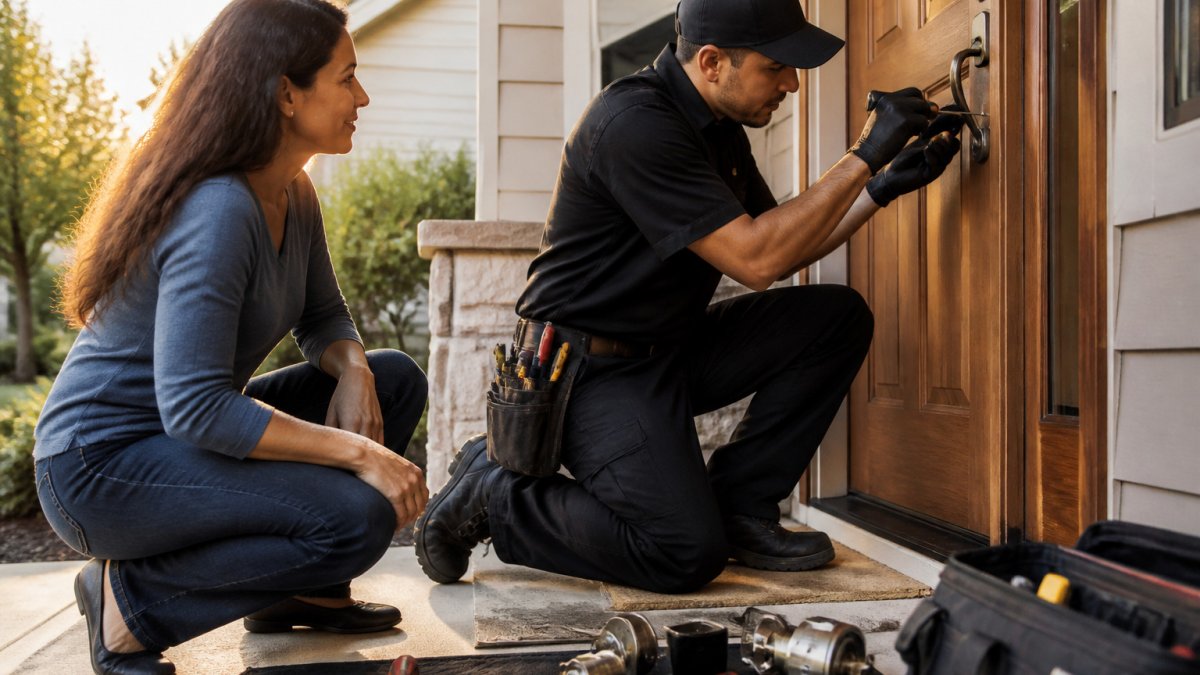
Labor rates can vary by job complexity and whether the service is scheduled or urgent. Ask the provider whether the quote is a flat rate per lock or an hourly estimate, and whether it covers multiple doors at a discount.
!A licensed locksmith in work clothes installing a deadbolt on a wooden front door of a suburban home, tools laid out on the porch
Door Preparation, Backset, and Installation Complexity
Door preparation is where many budgets change. Standard residential doors commonly use a 2-3/8 inch or 2-3/4 inch backset, meaning the distance from the door edge to the center of the lock bore. If the new lock’s backset does not match the existing hole, the door may need to be re-drilled or patched, which adds time and material cost.
Other preparation issues include a warped door that prevents the bolt from aligning, a damaged strike plate or frame, and door thickness that falls outside the lock’s specified range. A good provider checks these details before quoting so the estimate accounts for them. Ask specifically whether the quote includes any door modifications.
Service-Call and Trip Fees to Expect
Many providers charge a service-call or trip fee in addition to the hardware and labor. This fee covers the cost of getting a technician to the property, and it is separate from the installation itself. Trip fees are often waived or credited when the work is booked, so ask before you schedule.
Emergency or after-hours service may cost more than a scheduled daytime appointment, so booking ahead can help manage the total. Always ask for the full cost in writing, including any trip, diagnostic, or after-hours charges, so there are no surprises when the technician arrives.
Is It Cheaper to Replace Locks or Rekey Them?
For many homeowners, the real question is whether rekeying an existing lock is enough, or whether a full replacement is worth the added cost. Rekeying changes the internal pins so the existing cylinder works with a new key, without replacing the hardware. See the residential rekeying price guide for what it typically costs. It is generally less expensive than a full replacement and works well after a move-in or when a key goes missing.
Full replacement makes more sense when the existing lock is worn, damaged, or a low-security model you want to upgrade. Cylinder replacement sits in the middle: it swaps only the cylinder while keeping the existing deadbolt body, which can save money if the rest of the hardware is in good shape.
A practical rule of thumb: if the lock works well and you only need to control who has keys, rekeying is often enough. If you want a higher security grade, restricted keyway protection, or a fresh start on a damaged door, plan for replacement.
High Security Locks With Keys That Cannot Be Replicated
Restricted keyways are designed so that key blanks and duplicates are controlled. Many manufacturers require proof of ownership and a dealer authorization card before a copy can be cut, which makes unauthorized duplication much harder. This is one of the most valued features in a high-security upgrade, especially for rental properties, offices, and homes with multiple key holders.
Keep in mind that key control also has ongoing costs. Replacement keys and authorized duplicates usually cost more than standard keys, and you may need to keep the card in a secure place. Ask your provider how the keyway is controlled and what happens if the card is lost.
Residential Versus Commercial Pricing and Number of Doors
Residential and commercial projects are priced differently. Commercial installations often involve heavier-duty hardware, master key systems, and compliance requirements, which can raise the total. Residential projects are usually simpler but may still require door work on older homes.
The number of doors is one of the biggest drivers of total cost. Upgrading several locks together can spread the technician’s trip and setup time across the job. For a full property, a master key system can reduce the number of keys people carry while keeping control of access.
BDS Locksmith provides residential and commercial lock services. Pricing depends on the specific lock, the door, and the scope of work, so we recommend requesting a quote based on your exact project.
Book a Free Estimate Before Your High-Security Upgrade
Before you commit to a high-security upgrade, get a clear, itemized estimate that covers hardware, labor, door preparation, and any trip fees. You can also find a Berkeley locksmith to request your free estimate. At BDS Locksmith, we offer free estimates so you can compare options and understand the cost of your project. Our licensed, bonded, and insured team can also answer questions about security grades, keyway control, and whether rekeying or replacement fits your needs.
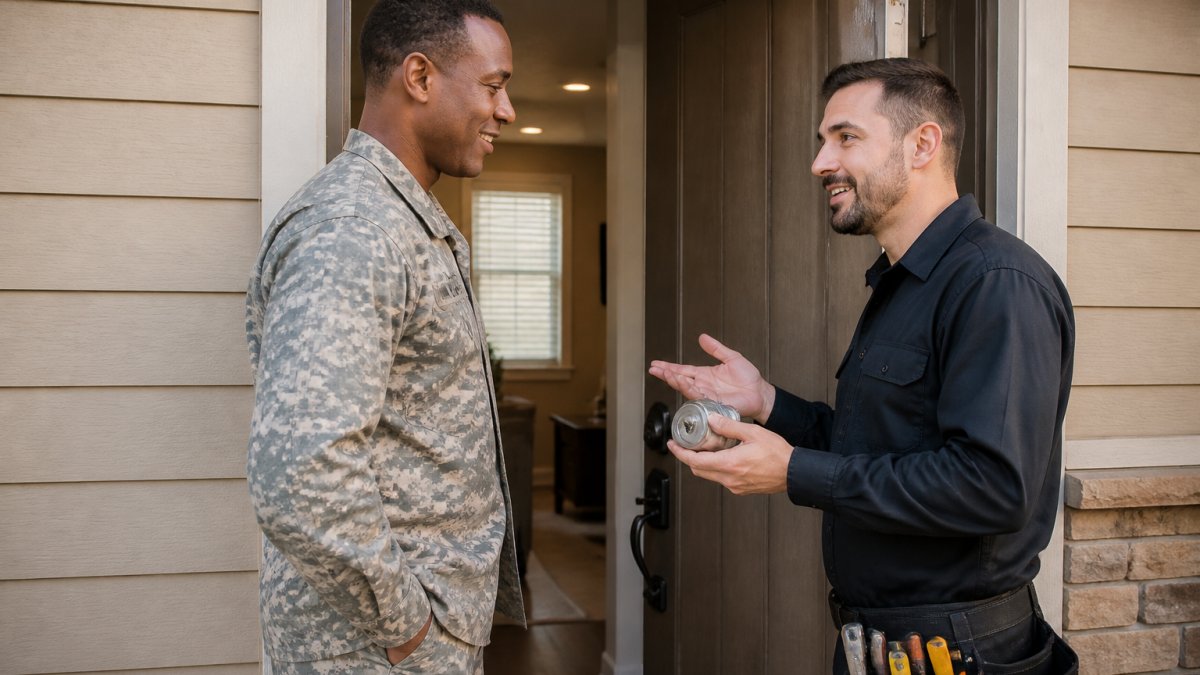
For current pricing and to request your estimate, call (408) 300-4369 or visit our website. Same-day service and a 5% military discount are available.
Frequently Asked Questions
Are high-security locks worth it?
For many homeowners and businesses, high-security locks are worth the added cost because they resist common attacks such as lock bumping, picking, and key copying. Whether the upgrade makes sense depends on your entry points, the value of what you protect, and how often keys are lost or shared. Ask for an itemized estimate that lists the lock, labor, and any service fee so you can compare it against your actual risk.
Is it cheaper to replace locks or rekey them?
Rekeying is usually the lower-cost option because it changes the internal pins so your existing lock accepts a new key, without replacing the hardware. Replacing the lock or cylinder costs more but also upgrades the security grade and the key control. If your current lock is in good condition and you only need to exclude old keys, rekeying is often enough. If the lock is worn, low-grade, or easy to pick, replacement is the better long-term choice.
Do high-security locks come with keys that cannot be copied?
Many high-security cylinders use restricted keyways and patented key profiles, which limit who can legally duplicate a key. Restricted keys are typically duplicated only through the manufacturer or an authorized dealer, which makes unauthorized copies harder to obtain. No lock is impossible to copy or defeat, so key control and limiting the number of key holders still matter. Ask your locksmith which key-control options come with the lock you are considering.
Can you upgrade an existing deadbolt to a high-security lock?
In many cases you can replace only the cylinder, which keeps the existing deadbolt body and strike plate in place. This is faster and cheaper than a full replacement, but it only works if the door, bore hole, and backset match the new cylinder. Thicker doors or non-standard hardware may require a full deadbolt replacement or some door preparation. A locksmith can check compatibility before you buy the parts.