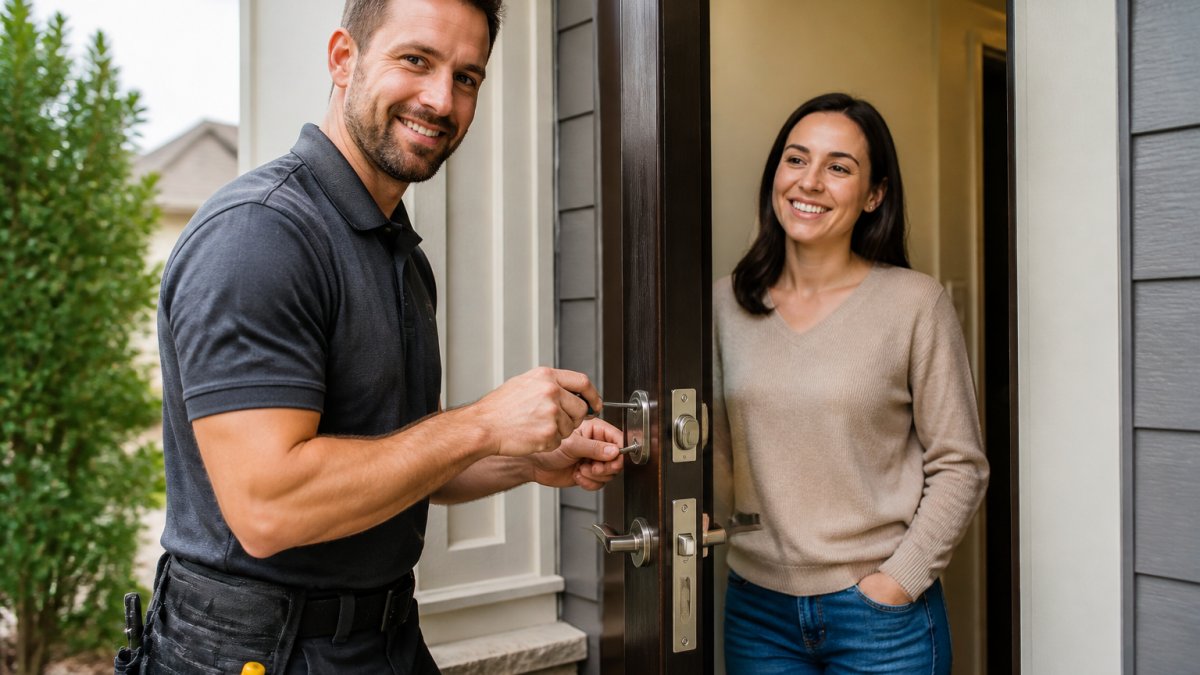
The door clicks shut, your keys are on the kitchen counter, and suddenly an ordinary trip to take out the trash becomes an apartment lockout. It happens fast, but the right response can keep a frustrating moment from turning into property damage, extra expense, or an unsafe situation.
If you are locked out of an apartment in San Jose or the South Bay, start by slowing down. Confirm that every usual entry is actually secured, keep your phone charged, and choose the safest path back inside. A locked door is inconvenient. Trying to force it open can make the situation much worse.
What to Do During an Apartment Lockout
Your first priority is safe, authorized access. Before calling anyone, check whether you have a legitimate way to get back in. A roommate, spouse, trusted neighbor, or nearby family member may have a spare key. If your building has an on-site manager, front desk, concierge, or after-hours maintenance line, contact them and explain the situation.
If you rent in a managed complex, review your lease or resident portal if you can access it from your phone. Many properties have a lockout policy, and some charge a set after-hours fee for staff assistance. That option may be practical during business hours, but availability can be limited at night, on weekends, or when maintenance staff are handling another emergency.
If no authorized person can help, a professional locksmith is often the quickest option. Be ready to show identification and proof that you live there, such as a lease, mail with your name and address, or a property-management record. A reputable locksmith should verify that you have the right to enter before opening the door.
While you wait, take these steps:
- Move to a safe, well-lit place, especially after dark.
- Bring children and pets to a comfortable, supervised area if possible.
- Let a roommate or property manager know what is happening.
- Keep your phone available for calls and identification requests.
If a child, vulnerable adult, pet, or an active cooking appliance is inside and there may be immediate danger, call emergency services. A locksmith can restore access, but urgent life-safety concerns need a faster response.
What Not to Do When You Are Locked Out
The fastest-looking solution is often the most expensive one. Do not pry the door, kick it, drill the lock yourself, or break a window. Exterior apartment doors are built to resist forced entry, and damaged frames, deadbolts, glass, and weatherstripping can lead to costly repairs or lease violations.
Avoid climbing balconies, using fire escapes as an entry route, or asking a neighbor to let you access a shared or restricted area. Besides the risk of injury, these actions can create security concerns for other residents and may violate building rules.
Online lock-picking tricks are not a good answer either. Many apartment doors use deadbolts, security pins, keyways, or smart-lock hardware that requires the right tools and experience. Repeated attempts can damage the cylinder and turn a straightforward opening into a lock replacement.
Be careful with anyone who promises access without asking for identification or who immediately insists that drilling is the only option. In many cases, an experienced technician can use non-destructive entry methods. Drilling may be necessary for a severely damaged lock, certain high-security hardware, or a failed electronic lock, but it should be explained before work begins.
Who Is Responsible for an Apartment Lockout?
It depends on why the lockout happened and what your lease says. If you simply left your keys inside, the tenant is usually responsible for the lockout fee or locksmith cost. If the lock has failed because of ordinary wear, a broken latch, damaged key, faulty deadbolt, or malfunctioning building hardware, the landlord or property manager may be responsible for repair.
That distinction matters. Take a quick photo or video if the key will not turn, the handle is loose, the deadbolt binds, or the lock appears damaged. Then notify management in writing, even if you need immediate access first. Clear documentation can help show that the problem was a maintenance issue rather than a lost-key situation.
For renters, it is also wise to ask before changing locks or rekeying an apartment. California tenants and property owners may have specific lease terms and legal responsibilities related to entry, notices, and keys. A lock change without permission can create problems later, even when the goal is better security.
When to Call a Mobile Locksmith
A mobile locksmith makes sense when property management is unavailable, your spare key cannot be reached, or you need access without waiting until morning. It is also the right call when a key breaks in the lock, a deadbolt fails, the door will not latch correctly, or a smart lock stops responding.
For an apartment lockout, the goal is not just opening the door. The technician should assess whether the lock can remain in service afterward. If a key was lost along with your identification, wallet, or bag, rekeying may be safer than continuing to use the existing lock. Rekeying changes the lock so the old key no longer works, often without replacing the full hardware.
If you are a landlord or property manager, fast lockout assistance can protect both residents and the property. A mobile locksmith can help with resident lockouts, turnover rekeys, master-key planning, damaged locks, mailbox locks, and upgraded deadbolts. The best approach depends on the building’s existing hardware and access policy.
BDS Locksmith provides mobile locksmith service throughout San Jose and nearby South Bay communities, bringing the tools needed to address apartment entry and lock concerns on site. Ask for a clear estimate before work begins and make sure you understand whether the service involves opening, rekeying, repair, or replacement.
Questions to Ask Before Approving Service
A stressful lockout should not mean unclear pricing. When you call a locksmith, explain the type of door, whether you are a renter or owner, the time of day, and whether the key is simply inside or the lock is malfunctioning. Those details help the technician give a more accurate estimate.
Ask whether there is a service-call charge, how labor is priced, and whether any replacement parts may be needed. An honest provider can explain what is included, what could affect the final price, and why. Late-night, weekend, and emergency calls may cost more than scheduled daytime service, but you should still receive straightforward information before authorizing work.
You can also ask whether non-destructive entry will be attempted first. No locksmith can promise that every lock can be opened without replacement, particularly if it is broken or damaged, but careful entry is the standard goal.
Prevent the Next Apartment Lockout
A few small habits can save a late-night call. Keep a spare key with a trusted person who lives nearby, rather than hiding one outside the building. For households with roommates, decide where an approved spare will be kept and make sure everyone knows the plan.
If your lease and property manager allow it, consider a keyless entry option or a smart lock that provides temporary codes. These systems can be convenient, but they are not perfect. Batteries fail, apps lose connection, and some buildings require approved hardware. Keep a backup method of entry and confirm that any change complies with your rental agreement.
Before closing the door, make a quick keys-phone-wallet check. It sounds simple, but it is one of the most reliable ways to prevent a lockout, especially when you are rushing out with groceries, taking the dog outside, or stepping into the hallway for just a minute.
A calm decision at the door protects your home, your budget, and your safety. Verify your options, avoid damaging the property, and get authorized help when you need it so you can get back to your day with the lock and door intact.