Table of Contents
- Why Finding a Reliable 24/7 Locksmith Matters
- Step 1: Verify Locksmith Credentials Before Calling
- Step 2: Understand Emergency Home Lockout Help Available in 2026
- Step 3: How to Spot Locksmith Scams and Avoid Predatory Pricing
- Step 4: Ask the Right Questions Before Hiring
- Understanding Average Cost of Emergency Locksmith Services
- Step 5: Verify Local Business Legitimacy and Reviews
- Step 6: Confirm On-Site Service and Insurance Protection
- What to Do After Service: Security Audit and Documentation
- Frequently Asked Questions
Last Updated: September 23, 2026
Why Finding a Reliable 24/7 Locksmith Matters
Getting locked out of your home or car is stressful, which is why reliable 24/7 locksmiths are essential. You need help fast. But calling the wrong locksmith can turn a bad situation into a financial nightmare. Some locksmiths quote you $50 on the phone, then charge $400 when they arrive. Others take hours to show up despite promising 30 minutes.
Finding a reliable 24/7 locksmith means getting someone licensed, insured, and honest. It means knowing the service will arrive quickly without hidden fees. At BDS Locksmith, we understand how critical this is. We’ve helped thousands of people in the South Bay Area get out of tough lockout situations safely and fairly.
This guide walks you through exactly how to find trustworthy emergency locksmith services. You’ll learn how to verify credentials, spot scams, and ask the right questions before hiring anyone. By the end, you’ll know exactly what separates a legitimate professional from someone who’ll overcharge you.
Step 1: Verify Locksmith Credentials Before Calling
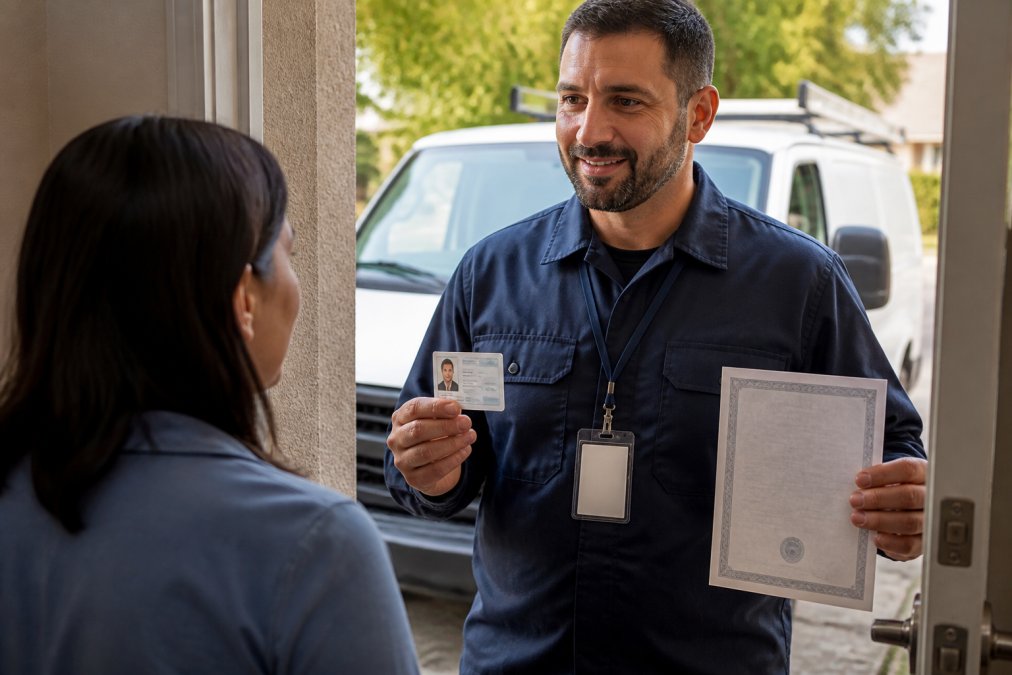
Before you call anyone, check their background. A legitimate locksmith carries proper licensing and insurance. This protects you if something goes wrong during the service.
Check for State Licensing and Bonding Using Government Databases
A legitimate locksmith carries proper licensing. This license shows they’ve passed background checks and training. The critical step most guides skip: you can verify the license yourself using your state’s official licensing board database, no need to trust what the locksmith tells you.
How to verify licensing by state:
Many states maintain searchable online databases where you can enter a locksmith’s license number or business name and confirm it’s active and in good standing.
- California: Search the Department of Consumer Affairs’ online license lookup at lic.ca.gov. Enter the locksmith’s name or license number under “Check License Status.”
If your state isn’t listed here, search “[Your State] locksmith license verification” or contact your state’s Department of Consumer Affairs directly. Some states have a searchable database or phone line.
What to look for in the database:
- License status is “Active” (not expired, suspended, or revoked)
- License type matches the service (residential, commercial, automotive, or all-purpose)
- No disciplinary actions or complaints listed
- Current address matches the business location they claim
Confirm Bonding and Insurance Coverage
Bonding is equally important to licensing. A bonded locksmith has posted a surety bond, essentially a financial guarantee that they’ll operate honestly. If they damage your property or commit fraud, the bond covers your losses. BDS Locksmith is bonded.
Ask these specific questions:
- What’s your state license number? (Then verify it yourself using the database above.)
- Are you bonded? If yes, what’s your bond company and bond number?
- Are you insured? What’s your insurance company and policy number?
- Can you email me a copy of your insurance certificate of liability before you arrive?
Legitimate locksmiths will provide this information immediately. They’re proud of their credentials. If someone hesitates, refuses, or says “I’ll show you when I arrive,” hang up and call someone else.
Why insurance matters: Insurance protects you, not just the locksmith. If the technician damages your door frame while picking the lock, their general liability insurance pays for repairs. Without insurance, you’re stuck paying out of pocket. Ask specifically: “If you damage my door while getting me inside, who pays for repairs?” The answer should be clear: “Our insurance covers it.”
Request they email you a copy of their insurance certificate before arrival. A real locksmith will do this without hesitation. Save this email, you’ll need it if damage occurs.
Step 2: Understand Emergency Home Lockout Help Available in 2026
Emergency lockout services work differently than standard locksmith calls. Response times, pricing, and service capabilities vary. Understanding what’s available helps you set realistic expectations.
Response Time Expectations
Reliable 24/7 locksmiths operate around the clock to serve you. But “24/7” doesn’t mean instant. Most reliable locksmiths aim for 30 to 60 minute response times in busy areas. Rural locations may take longer.
When you call, ask directly: “What’s your average response time right now?” A honest answer tells you a lot. If they promise 15 minutes, they’re either lying or overstaffed (which is rare).
Here’s what to expect:
- Peak hours (evenings, weekends): 45-60 minutes
- Off-peak hours (early morning, weekdays): 20-40 minutes
- Rural areas: 60-90 minutes or longer
- Emergency response fee: may apply for late-night calls
Ask if they charge extra for emergency calls after hours. Some do, some don’t. Knowing upfront prevents surprises.
Mobile Service Capabilities
A mobile locksmith brings equipment to your location. They don’t send you somewhere else. This matters because it saves you time and keeps you from being stranded.
Mobile locksmiths can handle:
- Home lockouts (residential entry)
- Car lockouts (automotive access)
- Lock rekeying (changing which keys work)
- Deadbolt installation (new locks)
- Key duplication (copying keys)
- Lock repair (fixing broken locks)
Not all mobile locksmiths offer all services. Some specialize in residential only. Others focus on automotive. Ask what specific services they provide before you need them in an emergency.
Step 3: How to Spot Locksmith Scams and Avoid Predatory Pricing
Locksmith scams are common. Criminals prey on people in stressful situations. You’re locked out, frustrated, and desperate. That’s when bad actors strike with bait-and-switch tactics and inflated bills.
Red Flags in Initial Quotes
A legitimate locksmith gives honest quotes over the phone. They ask questions about your situation, then provide a ballpark price range. Scammers do the opposite.
Watch for these red flags:
- Quote is suspiciously low ($25 for a lockout)
- They refuse to give any estimate
- They won’t answer questions about their experience
- They pressure you to decide immediately
- They claim to be “the only one available”
- They have no online presence or reviews
- They use vague company names (“AAA Locksmith”)
Legitimate locksmiths operate transparent businesses. They have websites, customer reviews, and clear contact information. They’re not hiding.
Ask for a written estimate before work begins. A real professional will provide this. If they refuse, find someone else.
Hidden Fees and Bait-and-Switch Tactics
This is the most common scam. A locksmith quotes you $50. You agree. They arrive, work for 10 minutes, then hand you a bill for $400.
Here’s how it works: they quote a low service call fee, then add charges for “specialized equipment,” “after-hours surcharge,” “trip charge,” or “lock complexity.”
Protect yourself:
- Get the full quote in writing before work starts
- Ask what’s included in the quoted price
- Ask what additional charges might apply
- Confirm there are no hidden fees
- Get a receipt showing exactly what you paid for
The phrase “competitive pricing” means nothing. Ask for specifics. What does the service actually cost? What’s included?
Step 4: Ask the Right Questions Before Hiring
Before you hire anyone, interview them. Real professionals expect this. They’ll answer your questions clearly and honestly.
Ask these critical questions:
About credentials:
- Are you licensed in this state?
- Can you provide your license number?
- Are you bonded and insured?
- Can you email me proof before arriving?
About the service:
- What’s your response time estimate right now?
- What will this service cost, exactly?
- Are there any additional charges I should know about?
- What happens if you damage my lock or door?
- Do you guarantee your work?
About experience:
- How long have you been in business?
- Have you handled this type of lockout before?
- What’s your process for getting me inside safely?
About payment:
- What payment methods do you accept?
- Do you provide an itemized receipt?
- Can I get a written estimate before work begins?
A good locksmith answers all of these clearly. They don’t get defensive. They don’t rush you. They understand you’re evaluating them, and that’s appropriate.
Understanding Average Cost of Emergency Locksmith Services
Locksmith pricing varies widely. Understanding what affects cost helps you spot fair pricing versus scams.
Factors That Affect Pricing
Several things determine what you’ll pay:
Time of day: Emergency calls after 10 PM cost more than daytime calls. This reflects the technician’s off-hours availability.
Type of lockout: A residential home lockout costs less than a car lockout. Car locks require specialized equipment and skill.
Lock type: A simple key-in-knob lock costs less to open than a deadbolt. High-security locks cost more.
Damage assessment: If the lock is damaged or broken, repair costs more than standard entry.
Service area: Urban areas have faster response times and sometimes lower costs. Rural areas may charge more due to travel distance.
Service call fee: This is the base charge just for showing up. Additional work is charged separately.
A typical residential lockout in an urban area might cost more than a rural one. But there’s no single “average” that applies everywhere.
Getting a Free Estimate
Many reliable locksmiths offer free estimates. This means they assess your situation and give you a price before doing any work. No obligation to hire them.
When you call for an estimate, provide details:
- Type of lockout (home, car, office)
- Lock type (deadbolt, keypad, etc.)
- Any visible damage to the lock
- Your location
- Preferred time window for service
A locksmith who asks these questions is being thorough. They’re gathering information to give you an accurate quote. This is a good sign.
Ask if the estimate is free and if there’s any obligation. Legitimate businesses say yes to both.
Step 5: Verify Local Business Legitimacy and Reviews
Before hiring, research the business. Real locksmiths have online presence. They have customer reviews. They operate transparently.
Check these sources:
Google Business Profile: Look for verified reviews from real customers. Read both positive and negative feedback. Pay attention to patterns. One bad review might be unfair. Five bad reviews about overcharging is a warning sign.
Better Business Bureau (BBB): The BBB accredits businesses and tracks complaints. A BBB-accredited locksmith has met standards and responds to complaints. Check their rating and complaint history.
Local business directories: Search for the locksmith in your area. Legitimate businesses appear in multiple places. Scammers operate under multiple fake names.
Phone number verification: Real businesses have consistent phone numbers. If you find five different numbers for the same company, that’s suspicious.
Website quality: A professional locksmith has a real website with clear information. Cheap, poorly designed sites are often scams.
Read reviews carefully. Look for specific details. “Great service, arrived quickly” is vague. “Arrived in 45 minutes, fixed my deadbolt without damage, charged exactly what they quoted” is specific and credible.
Step 6: Confirm On-Site Service and Insurance Protection
Before work begins, confirm two critical things: the locksmith will work at your location, and they’re insured.
On-site service means they bring equipment to you. They don’t send you to their shop. This is non-negotiable for emergency lockouts. You’re already stressed. You don’t have time to drive somewhere.
Ask: “Will you come to my home/car, or do I need to go somewhere?” The answer should be immediate: “We come to you.”
Insurance protection covers damage during the work. Ask specifically: “If you damage my door or lock while getting me inside, what happens?” The answer should be: “Our insurance covers repairs.”
Get their insurance company name and policy number. Ask them to email you proof before they start work. This takes 30 seconds and protects you completely.
If they refuse to provide insurance information, don’t let them work on your property.
What to Do After Service: Security Audit and Documentation
After the locksmith finishes, don’t just pay and leave. Take immediate steps to protect yourself legally, verify the work was done correctly, and document everything for potential insurance claims.
Document the Work for Insurance and Warranty Claims
Create a service record immediately:
- Take photos of the lock and door after service (showing the lock works, no visible damage)
- Keep the receipt showing the date, time, locksmith name, license number, and itemized charges
- Note the exact service performed (lockout entry, rekeying, lock replacement, etc.)
- Save the locksmith’s business name, phone number, and license number
- Request and save their insurance company name and policy number
This documentation is critical if two things happen: (1) the lock fails within days, or (2) you need to file an insurance claim for the emergency service cost.
Why this matters for insurance claims: Many homeowners and renters policies cover emergency locksmith costs under “emergency home repairs” or “accidental damage” provisions. Some auto insurance policies cover lockout services. To file a claim, your insurance company will require:
- Proof of the service (receipt with date and amount)
- Proof of the locksmith’s licensing and insurance
- Photos showing the lock was functional after service
- Description of why the lockout occurred (accidental lock, lost keys, etc.)
Without this documentation, your claim will be denied. With it, you may recover $100-$500 of the service cost depending on your policy.
Conduct a Security Audit Before Paying
Before you hand over final payment, test the lock and inspect for damage:
Test the lock multiple times:
- Lock and unlock the door at least five times to ensure smooth operation
- Try all keys that should work, verify each one operates the lock
- Check that the lock engages fully and the door is secure
- Listen for grinding, sticking, or unusual sounds
Inspect for damage:
- Look at the door frame around the lock for scratches, gouges, or splintering
- Check the door itself for dents or marks
- Examine the lock cylinder for visible damage or misalignment
- Verify the deadbolt extends fully and retracts smoothly
If you spot problems: Point them out to the locksmith before they leave. Most professionals guarantee their work. If they caused damage, they’ll repair it on the spot or schedule a follow-up at no charge. Getting this done while they’re present is far easier than calling back later.
Verify Rekeying Was Done Correctly (If Applicable)
If you had the lock rekeyed (the locksmith changed which keys work the lock), verify the job was done properly:
Test the old keys:
- Try any old keys you had before the service
- They should NOT work in the lock anymore
- If an old key still works, the rekeying failed, call the locksmith back immediately
Test the new keys:
- All new keys provided should work smoothly
- The lock should operate the same way as before (no sticking or resistance)
- If a new key doesn’t work or works inconsistently, report it before the locksmith leaves
Understand what rekeying does and doesn’t do:
Rekeying changes the internal pins so only new keys work. It does NOT change the lock’s physical appearance or security level. If you want a higher-security lock, you need a lock replacement, not rekeying. Make sure you understand which service you paid for.
Request a Warranty or Guarantee in Writing
Before the locksmith leaves, ask: “What’s your warranty on this work?” A professional locksmith typically guarantees their work. Get this in writing on the receipt or a separate document.
The guarantee should cover:
- The lock functions as described
- No damage was caused during service
- All keys work as provided
- The lock doesn’t fail due to the locksmith’s workmanship
If problems arise, the locksmith should fix them at no charge. This is standard in the industry. If they refuse a warranty, that’s a red flag about their confidence in their own work.
Consider Security Upgrades for the Future
After you’re back inside, think about preventing future lockouts:
Immediate steps:
- Give a spare key to a trusted neighbor or family member nearby
- Hide a spare key in a secure lockbox outside (not under a mat or planter)
- Consider a keypad deadbolt so you can enter with a code if you forget your key
- Take a photo of your keys and store it securely in case you need to describe them to a locksmith
Longer-term upgrades to discuss with a locksmith:
- Upgrade to a Grade 1 deadbolt (highest security rating) if you currently have a basic lock
- Install a smart lock with keypad or app access for keyless entry
- Rekey your locks if you’ve recently moved or lost keys
- Add a secondary deadbolt on exterior doors for added security
A professional locksmith like those you’ve now verified can advise on upgrades that fit your security needs and budget. They stand behind their work, if something goes wrong, they fix it. This is what separates reliable locksmiths from scammers.
Frequently Asked Questions
How much does a 24-hour emergency locksmith cost?
Emergency locksmith pricing depends on the type of service (residential, automotive, or commercial), lock complexity, time of day, and your location. Service call fees typically apply regardless of whether the locksmith can open your lock. BDS Locksmith offers free estimates so you know the full cost before work begins. Visit the pricing page for current rates, or call (408) 300-4369 for an immediate quote.
What are the red flags of a locksmith scam?
Watch for locksmiths who quote extremely low prices on the phone, then demand cash-only payment on-site. Avoid unmarked vehicles, technicians without uniforms or ID, and businesses without verifiable licensing. Legitimate locksmiths provide written estimates upfront, accept multiple payment methods, and carry proof of insurance. If a quote seems too good to be true, it usually is.
How can I verify if a locksmith is licensed and insured?
Request the locksmith’s license number and insurance policy details before hiring. Verify the license with your state’s licensing board. Ask for proof of liability and bonding insurance, which protects you if damage occurs during service. Licensed, bonded, and insured locksmiths display credentials prominently and provide documentation without hesitation.
What information should I provide when calling an emergency locksmith?
Provide your address, the type of lockout (home, car, or business), and whether you have keys inside. Describe the lock type if you know it. Confirm the locksmith’s estimated arrival time and ask about payment methods accepted. Have your phone number ready for dispatch updates. This information helps the technician prepare and arrive with the correct tools.
Finding a reliable 24/7 locksmith protects you during stressful emergencies. You now know how to verify credentials, spot scams, and ask the right questions. When you need emergency locksmith services, call someone licensed, bonded, and insured. BDS Locksmith offers exactly this: licensed technicians, same-day availability, free estimates, and competitive pricing with no hidden fees. Call (408) 300-4369 for immediate assistance or to schedule a security consultation.