
Last Updated: October 25, 2026
Quick Summary
Car key replacement covered by insurance is typically not included in standard comprehensive or collision coverage. Most auto insurance policies exclude lost, stolen, or damaged keys entirely, though optional key protection add-ons are available from some insurers to cover these costs.
- Standard comprehensive and collision coverage do not cover lost or stolen car keys
- Optional key protection plans are available as add-ons and typically cost a small monthly premium or one-time fee
- You must purchase key protection coverage before a loss occurs; retroactive coverage is not available
- Stolen keys may require rekeying or lock replacement as a security condition, while lost keys typically only require key replacement
- Dealership key replacement costs more than independent locksmiths, making it worth shopping around
Table of Contents
- Does Standard Car Insurance Cover Lost Car Keys
- Does Auto Insurance Cover Lost Car Keys: Comprehensive vs. Collision
- Optional Key Protection Plans and Add-On Coverage
- Car Key Replacement Cost: What You’ll Actually Pay
- Stolen Keys vs. Lost Keys: Coverage Differences
- What to Do If You Lose Your Only Car Key
- Smart Keys, Transponder Keys, and Electronic Key Replacement
- Insurance Claim Process: Documentation and Proof of Ownership
- Avoiding Out-of-Pocket Costs: Your Coverage Decision Tree
- Getting Your Keys Replaced Today
- Frequently Asked Questions
Does Standard Car Insurance Cover Lost Car Keys
Most car owners assume their standard auto insurance covers everything related to their vehicle, including whether car key replacement covered by insurance is included. The reality is more complicated. Standard car insurance policies typically do NOT cover lost, stolen, or damaged car keys. Your comprehensive or collision coverage focuses on physical damage to the vehicle itself, not the cost of replacing access devices.
This is one of the biggest coverage gaps people discover only after losing a key. You call your insurer expecting help, and instead you’re told the claim falls outside your policy.
The key distinction is simple: insurance covers damage to your car. It doesn’t cover the tools you use to access your car. A stolen or damaged key is a separate expense that most standard policies exclude entirely.
Does Auto Insurance Cover Lost Car Keys: Comprehensive vs. Collision
Comprehensive coverage handles theft, vandalism, and weather damage. Collision coverage pays for accidents. Neither one typically includes lost or stolen keys as a covered loss.
Some comprehensive policies include coverage for locks and ignition damage caused by attempted theft. If a thief damages your door lock trying to break in, comprehensive might cover the lock replacement. But the key itself? That’s almost always your responsibility.
Collision coverage definitely won’t help. That’s reserved for accidents and impact damage. A lost key has nothing to do with a collision.
The frustrating part: your policy might have exclusions written so broadly that even if keys seem like they should be covered, they’re explicitly listed as excluded. Reading the fine print matters here. Most vehicle owners never look at their policy wording until something goes wrong.
Optional Key Protection Plans and Add-On Coverage
Insurance companies have recognized this gap and created optional add-ons specifically for key coverage to address situations where car key replacement covered by insurance is not included in standard policies. These key protection or key cover endorsements are separate policies you purchase alongside your standard auto insurance.
A key protection plan typically covers:
- Lost keys
- Stolen keys
- Damaged or broken keys
- Key fob replacement
- Lock replacement if keys are stolen
- Locksmith service fees
- Towing costs in some cases
These plans usually cost between a small monthly premium or a one-time fee added to your policy. The coverage limits vary. Some plans cover up to a certain dollar amount per claim, others have an annual maximum.
The catch: you need to purchase these add-ons BEFORE you lose a key. Once a loss occurs, you can’t retroactively add coverage. If you’re thinking about this now, contact your insurance agent to ask what key protection options are available with your current policy.
Not all insurers offer these plans. Some regional carriers include them as standard options. Others don’t offer them at all. Asking your agent directly is the fastest way to find out.
Car Key Replacement Cost: What You’ll Actually Pay
The cost of replacing a car key depends on the type of key your vehicle uses. Basic mechanical keys cost far less than smart keys or transponder keys with electronic components.
For replacement cost specifics and to understand what your actual out-of-pocket expense might be, get a replacement key cost estimate to see current pricing for your situation. You can also check on-site programming costs if your key includes electronic components that need activation.
Key replacement pricing varies based on:
- Whether the key is mechanical or electronic
- If it includes a key fob or remote functions
- Whether programming is required
- Whether a locksmith or dealership handles the replacement
- Your vehicle’s make and model
Dealerships typically charge more than independent locksmiths. This is one area where shopping around makes a real financial difference.
Stolen Keys vs. Lost Keys: Coverage Differences
Insurance companies sometimes treat stolen keys differently than lost keys, though both are typically excluded from standard coverage. The distinction matters less for whether a standard policy pays and more for what you must do afterward, what documentation a claim requires, and what security steps your insurer may demand.
Lost Keys: The Practical Response
A lost key is usually treated as simple user error. You misplaced it, so it’s your problem to solve. The response is straightforward:
- Retrace your steps and secure the vehicle. If the key was lost in a public place, move the car to a secure location if you can. Do not leave it unattended in an unfamiliar area.
- Call your insurer to confirm coverage. Have your policy number ready and ask specifically whether any key-protection endorsement applies. Most standard policies will exclude the loss.
- Arrange replacement. A mobile locksmith can cut and program a replacement on-site; a dealership may require towing. Have proof of ownership ready either way.
- Keep the invoice. Even if you pay out of pocket, an itemized receipt matters if you later discover an applicable endorsement or warranty.
A lost key rarely triggers additional security requirements. In most cases, getting a new key made resolves the situation.
Stolen Keys: The Security Response
A stolen key creates a security risk your insurer might care about. If someone steals your keys, they potentially have access to your vehicle, and your insurer may require you to replace your locks or ignition as a condition of future coverage. The response is more involved:
- Secure the vehicle immediately. If the key was stolen along with identifying information (registration, garage remote, house keys), assume the thief can locate and access the car. Move it to a secure location or have it towed.
- File a police report. A police report is the document insurers and locksmiths most often request for a stolen-key claim. Record the report number.
- Notify your insurer. Report the theft and ask whether your policy requires rekeying or ignition replacement to maintain coverage. Some insurers will specify the security standard you must meet.
- Rekey or replace locks. For a stolen key, replacing the key alone may not be enough. A locksmith can rekey the locks so the stolen key no longer works, and on many modern vehicles the key fob must be erased from the vehicle’s computer and a new fob programmed.
- Document everything. Keep the police report, locksmith invoice, and any insurer correspondence together.
If your keys were stolen along with your registration or other identifying documents, treat the vehicle as accessible to the thief until the locks are rekeyed and the stolen fob is erased from the vehicle’s system.
What Changes for Coverage
Both scenarios leave you paying out of pocket unless you have optional key protection coverage. The distinction matters mainly for what your insurer might require of you afterward and what documentation a claim needs. A stolen-key claim generally requires a police report; a lost-key claim generally does not. If you have optional key protection, check the policy wording for whether theft claims require rekeying or lock replacement as a condition of reimbursement.
Lost key: confirm coverage, replace the key, keep the receipt. Stolen key: secure the car, file a police report, notify your insurer, and plan to rekey or erase the stolen fob, not just cut a new key.
What to Do If You Lose Your Only Car Key
Losing your only key creates immediate urgency. You can’t start your vehicle, and you can’t easily get a replacement in an emergency situation.
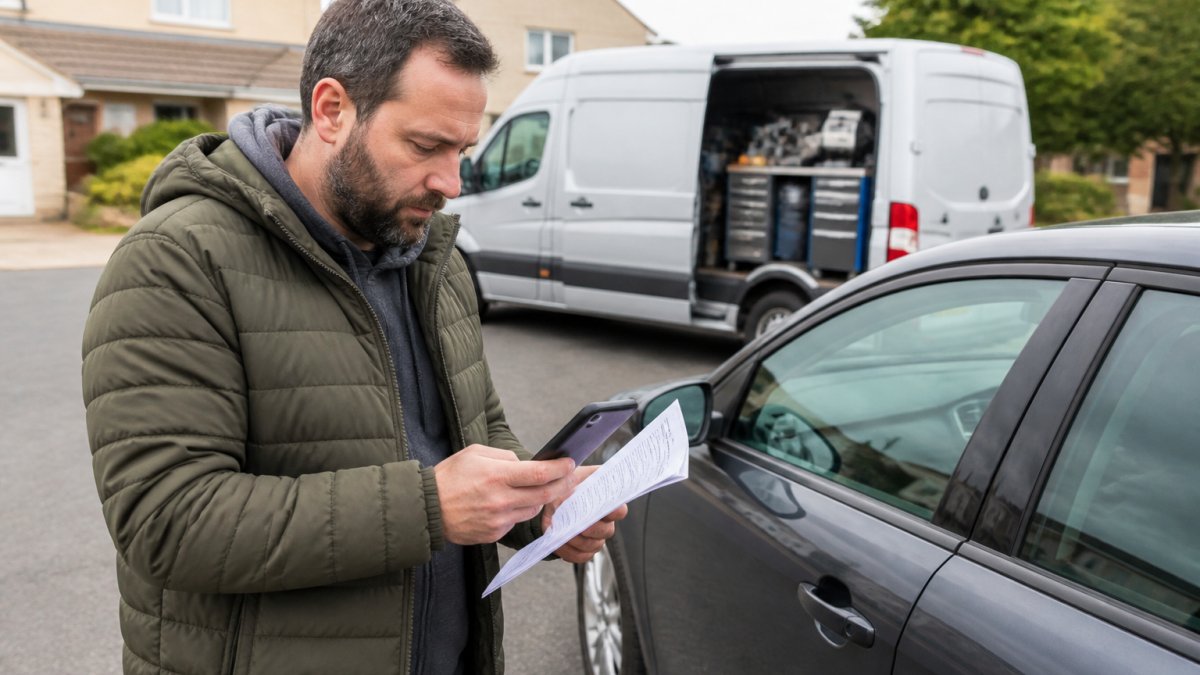
Step 1: Secure Your Vehicle Immediately
Your first priority is making sure your car is safe. If you lost your key in a public place, someone could potentially use it to access your vehicle.
Move your car to a secure location if possible. If you’re stranded, stay with your vehicle or move to a safe, well-lit area. Don’t leave your car unattended in an unfamiliar location.
Step 2: Contact Your Insurance Provider
Call your insurance company and report the lost key. Explain the situation clearly. Ask specifically whether your policy includes any coverage for lost keys or key replacement.
Have your policy number ready when you call. Be prepared to provide details about where and when you lost the key. Your insurer will explain what you need to do next.
Most insurers will tell you the loss is not covered and direct you to arrange replacement on your own. If you have optional key protection coverage, your agent will walk you through the claims process.
Step 3: Determine Your Coverage and Deductible
If your policy does cover this loss, ask about your deductible. Sometimes the deductible is higher than the cost of the replacement key itself. Paying out of pocket might be cheaper than filing a claim.
Ask your insurer about any claim limits. Some policies have maximum payouts for key replacement that might not cover high-end smart keys or multiple keys.
Understand whether filing a claim will affect your premium. Some insurers increase rates after any claim, even if it’s small.
Step 4: Get a Replacement Key from a Professional
Once you’ve confirmed your coverage situation, contact a locksmith to get a replacement key made. For guidance on finding the right professional, learn how to find a mobile locksmith for car keys.
A mobile locksmith can come to your location and create a new key on-site. This is faster and more convenient than towing your car to a dealership.
Have your proof of ownership ready. Locksmiths require documentation showing you own the vehicle before they’ll make a replacement key.
Smart Keys, Transponder Keys, and Electronic Key Replacement
Modern vehicles use advanced key technology that costs more to replace than older mechanical keys. The reason is not the metal blade, it’s the electronics and the programming that ties the key to your specific vehicle. Understanding the three main key types explains both the cost and the security trade-offs.
Mechanical Keys
A basic mechanical key is a cut metal blade with no electronics. Replacement is a cutting job, and a locksmith can duplicate one from an existing key or from the vehicle’s lock code. These are the least expensive to replace and the least secure, since a copied blade works without any electronic authorization.
Transponder Keys
A transponder key contains a small computer chip that communicates with the vehicle’s immobilizer system. The key must be programmed to work with your specific car; an unprogrammed copy may turn in the ignition but will not start the engine. Programming typically requires a diagnostic tool that reads the vehicle’s immobilizer and registers the new chip. Learn how transponder key programming works and how long it takes.
Because the chip must be registered, transponder keys cost more than mechanical keys and usually require either a locksmith with the right programming equipment or a dealership. The immobilizer is also a security feature: a thief who copies the blade still cannot start the car without a programmed chip.
Smart Keys and Keyless-Entry Fobs
Smart keys use wireless technology to unlock and start your vehicle without inserting a physical key. The fob transmits a signal the vehicle recognizes, and push-button start replaces the ignition cylinder. Smart key fobs can cost substantially more than basic mechanical keys because they combine a transponder, a radio transmitter, and often a physical emergency blade.
Replacement involves more than cutting a blade. The new fob must be paired to the vehicle’s computer, and on many models the vehicle must be present for programming. Some programming can be done on-site by a locksmith with the correct equipment; other vehicles require dealership programming. Get guidance on programming spare key fobs if you want to create backup keys before an emergency happens.
The Security Risk Unique to Modern Keys
Keyless systems introduce risks that mechanical keys never had:
- Relay attacks. Thieves can amplify a fob’s signal from outside a home to trick a keyless vehicle into unlocking and starting. Keeping fobs in a signal-blocking pouch or far from exterior walls reduces the risk.
- Lost fobs remain authorized. A lost or stolen smart key may still be registered to the vehicle. Replacing the key is not enough, the missing fob should be erased from the vehicle’s system so it can no longer start the car.
- All-keys-lost programming. When no working key remains, programming a new one often requires additional security access, which is why all-keys-lost situations cost more than adding a spare.
The cheapest time to deal with modern key technology is before you lose a key. Adding a programmed spare while you still have a working key is almost always less expensive than an all-keys-lost replacement.
Understanding your key type helps you anticipate replacement costs, plan for programming, and decide whether rekeying or erasing a lost fob is necessary for security. Get a replacement key cost estimate to see current pricing for your situation, and check on-site programming costs if your key includes electronic components that need activation.
Insurance Claim Process: Documentation and Proof of Ownership
If you have optional key protection coverage, you’ll need to file a claim to get reimbursed for replacement costs.
Your insurer will ask for:
- Proof of ownership (vehicle registration or title)
- A police report if the key was stolen
- Receipts or invoices for the replacement key
- Documentation from the locksmith or dealership showing what was replaced
Gather this documentation before you contact your insurer. Having everything ready speeds up the claims process.
If you don’t have receipts, ask your locksmith or dealership to provide an itemized invoice. This documentation is essential for your claim.
The claims process typically takes a few days to a couple of weeks. Your insurer will review your documentation and either approve or deny the claim. If approved, you’ll receive reimbursement according to your policy limits.
Avoiding Out-of-Pocket Costs: Your Coverage Decision Tree
Understanding your options helps you make the right choice for your situation.
Do you have optional key protection coverage?
- Yes: File a claim. Your coverage should handle the replacement cost minus any deductible.
- No: Proceed to the next question.
Is the replacement cost less than your insurance deductible?
- Yes: Pay out of pocket. Filing a claim costs more than the replacement itself.
- No: Proceed to the next question.
Will filing a claim increase your premium?
- Yes: Compare the reimbursement amount against potential premium increases. Sometimes paying out of pocket is cheaper long-term.
- No: File the claim. You’ll get reimbursed for the covered amount.
Can you afford the replacement cost out of pocket?
- Yes: Pay out of pocket and avoid potential premium increases.
- No: File a claim if you have any coverage available.
This decision tree helps you evaluate whether filing an insurance claim makes financial sense for your specific situation.
Getting Your Keys Replaced Today
When you need a replacement key urgently, time matters. Dealerships have limited hours and may require multiple visits. A mobile locksmith arrives at your location and completes the job on-site.
BDS Locksmith provides same-day car key replacement throughout the South Bay Area. We handle all key types, from basic mechanical keys to complex smart keys requiring programming. Our licensed and insured technicians arrive with the equipment needed to create and program your replacement key without damage to your vehicle.
Contact BDS Locksmith for a free estimate on your replacement key cost. We offer competitive pricing. Call (408) 300-4369 to get started.
Losing your only car key is stressful, but it’s solvable. Know what your insurance actually covers before the emergency happens. Review your policy now to understand whether you have optional key protection. If you don’t, consider adding it. Once you understand your coverage, you’ll know exactly what to do if a key loss occurs. BDS Locksmith is here to provide fast, professional replacement service when you need it.
| Coverage Type | Covers Lost Keys | Covers Stolen Keys | Typical Deductible |
|---|---|---|---|
| Standard Comprehensive | No | No | $500-$1,000 |
| Standard Collision | No | No | $500-$1,000 |
| Optional Key Protection | Yes | Yes | $0-$250 |
| Dealership Warranty | Varies | Varies | Varies |
Frequently Asked Questions
Does auto insurance cover lost car keys?
Most standard auto insurance policies do not cover lost or stolen keys as part of basic coverage. Keys typically fall outside the scope of comprehensive or collision coverage, which focus on vehicle damage and theft of the vehicle itself, not individual components. Some insurers offer optional key protection add-ons or key cover riders that specifically cover key replacement. Check your policy wording or contact your insurer directly to confirm whether key coverage is included in your plan.
What is the typical car key replacement cost?
Car key replacement cost varies widely depending on key type and vehicle. Standard mechanical keys cost less than transponder keys or smart keys with electronic components and programming. Dealerships typically charge more than independent locksmiths or mobile locksmith services. Costs can range from under $100 for basic keys to several hundred dollars for advanced electronic keys. Contact BDS Locksmith for a free estimate tailored to your specific vehicle and key type.
What should I do immediately after losing my only car key?
First, secure your vehicle by parking it in a safe, well-lit location or at home if possible. Do not leave it unattended in public. Next, contact your insurance provider to report the loss and ask whether your policy covers key replacement or if you have an optional key protection plan. Then contact a licensed locksmith or your vehicle’s dealership to arrange a replacement key. Document the loss and keep records of all communications and expenses for your insurance claim.
Is a car key replacement protection plan worth buying?
A key replacement protection plan can be valuable if you frequently lose keys, own multiple vehicles, or drive high-security smart keys that are expensive to replace. These add-on plans typically cover replacement costs minus a small deductible and may include locksmith services or towing. Compare the plan’s annual cost, coverage limits, and deductible against the actual replacement cost for your vehicle’s key type. If your vehicle uses standard keys, paying out of pocket may be cheaper than paying for yearly plan premiums.